


FLASH NEWS
REL Analysis: Extreme political degradation, Kosovo towards extraordinary elections

2025-11-19 20:13:50 / KOSOVA
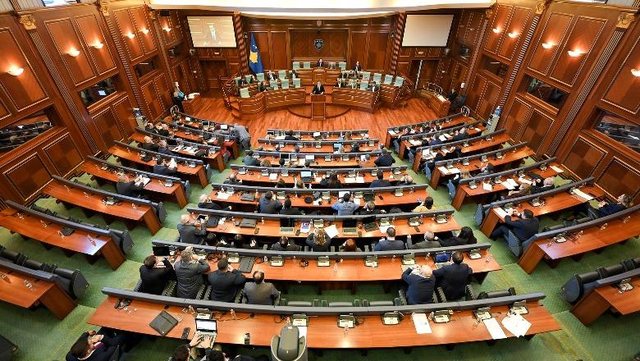
"Extreme degradation of political and institutional life in Kosovo" - this is how Albert Krasniqi from the Democracy Plus organization describes the second failed attempt by the Kosovo Assembly to vote for the new Government.
He emphasizes that politicians are placing personal and party interests above those of the state, showing a clear lack of responsibility and commitment to the citizens who elected them.
"This indicates a low level of responsibility of the political class in the country, regardless of whether it is in power or opposition. Everyone has their own share of the blame," Krasniqi tells Radio Free Europe.
The Kosovo Assembly failed on November 19 to approve the new Government, which would be led by Glauk Konjufca of the Vetëvendosje Movement.
56 MPs voted in favor of forming the Government according to the Vetëvendosje proposal, 4 abstained, while 53 were against.
This was Vetëvendosje's second attempt to form a government, following the failure of the first candidate, Albin Kurti, on October 26.
According to the Constitution, if even the second-term candidate fails to form a government, the country's president, Vjosa Osmani, must announce new elections, which must be held within 40 days from the date of the announcement.
Radio Free Europe asked the Office of the Presidency about the possible timing of the announcement of the elections, but did not receive a response.
Belgzim Kamberi, from the Musine Kokolari Institute for Social Policy, is not optimistic that new elections can bring a real solution to the political impasse.
"It remains to be seen what positions and political narratives Albanian parties will enter the upcoming elections with, because most of the actors are almost the same. We do not have an extraordinary climate that could radically change parliamentary representation," Kamberi tells Radio Free Europe.
Kosovo has been on the path to crisis since the parliamentary elections of February 9.
Vetëvendosje won the majority of votes, but not enough to form the Government alone.
The Assembly was delayed in being constituted for about six months due to political disagreements, while the process was challenged several times in the Constitutional Court.
The international community – including the German chief diplomat, Johann Wadephul, most recently – has repeatedly stressed the need for Kosovo to have a stable government as soon as possible.
According to Kamberi, recent months have not seen a major involvement of the international factor, which, "in one way or another, has always been involved in building Kosovo's governments."
"International non-involvement has not helped the process, because it has not been possible to create a parliamentary majority," according to him.
Kamberi adds that after the new elections, and with the presidential election expected in the spring, it is difficult to foresee the formation of a government without the two main Albanian parties.
According to him, it also remains unclear who these two parties would be and whether they would be able to cooperate without the facilitation of the international factor.
"So, these elections should be seen as opportunities to try new paradigms, to avoid a new deadlock," he adds. /REL
-

Greece, Athens official plans return centers for migrants outside the EU
November 19, 20:01 -

Germany in dilemma over World Cup goalkeeper
November 19, 19:55 -
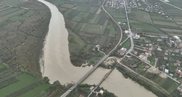
High risk of flooding! Vjosa River 'swells' after intense rainfall
November 19, 19:46 -
Happening now...










ideas



top






TRENDING 




services
- POLICE129
- STREET POLICE126
- AMBULANCE112
- FIREFIGHTER128