


FLASH NEWS
"Eel Line" in Fier, massive pollution and serious risk to residents' health

2026-03-14 10:39:21 / AKTUALITET
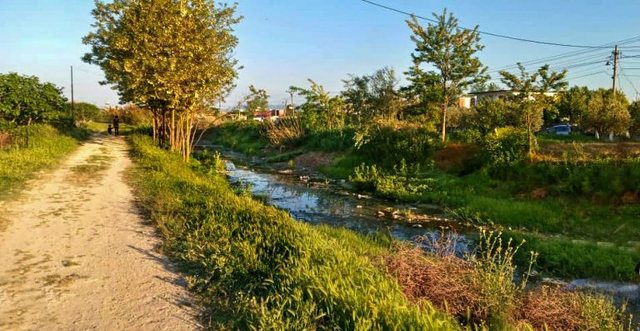
Monitoring conducted during 2025 in the Darzezë–Seman–Tërbuf–Emisar hydrographic system, up to the final discharge into the lagoon and the sea, highlights significant environmental pressures on water quality in the agricultural areas of Fier and Divjaka.
According to the Co-Plan report, data collected within the framework of the project "Water Guardians - Participation and Support for the Protection of Ecosystems", environmental pressures are mainly related to agricultural drainage, nutrient transport and in some cases uncontrolled organic discharges.
The system consists of an interconnected network of drainage channels and water segments that cross areas with intensive agricultural activity, where the use of chemical fertilizers and interventions in surface water management directly affect the chemical composition of the water.
In the Darëzeza segment, a high mineralization of the water was identified and in some cases, excesses of the organic load were recorded, where COD values exceeded the guideline limit of 50 mg/L, especially during the autumn period. In the same area, increases in ammonia and phosphates were also evidenced, related to the surrounding agricultural activities.
A relatively more stable situation was recorded in the segment of Hidrovor Seman and Ura e Fshehtë where electrical conductivity and organic load remain closer to acceptable limits. However, even in this section, increases in ammonia and phosphates were evident during September and November, indicating continued impact from agricultural activities and transport of pollutants from upstream.
According to the report, the most critical point of the entire system is the “Eel Line” where very high concentrations of organic load and nutrients were recorded. High COD values, accompanied by increased concentrations of ammonia and nitrites, suggest the presence of uncontrolled discharges of an organic or fecal nature, which constitute a significant source of pollution for the lower segments of the system.
According to the report's overall assessment, the hydrographic system functions as a transport channel for nutrients and pollutants coming from agricultural areas, creating a high risk of chronic eutrophication and degradation of lagoon and coastal ecosystems if measures are not taken to control discharges and for integrated watershed management.
The report recommends immediate interventions, including identifying and eliminating untreated discharges into the Eel Stream, reducing the use of chemical fertilizers in agricultural areas, establishing vegetated buffer strips along canals, and constructing structures to capture sediments before they are discharged into the lagoon. According to experts, only through integrated watershed management and cooperation between institutions and farmers can further degradation of this water system be prevented./ekofin.al
Happening now...









ideas



top






TRENDING 




services
- POLICE129
- STREET POLICE126
- AMBULANCE112
- FIREFIGHTER128