


FLASH NEWS
March 15 brings new rules for foreigners and vehicles in Kosovo

2026-03-14 13:01:32 / KOSOVA
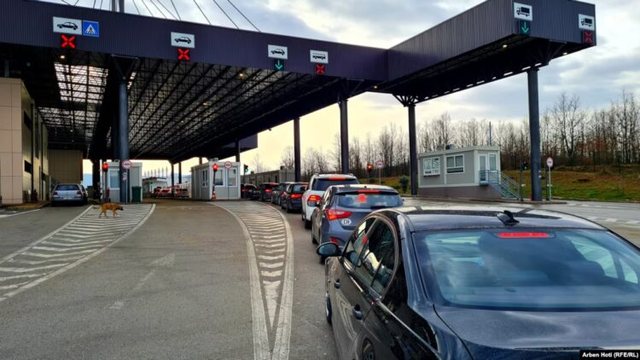
The Kosovo government agreed to issue temporary residence permits for 12 months to members of the Serbian community who do not have Kosovo documents, and to recognize identity cards issued by Serbian authorities – things that will mitigate the consequences of the full implementation of the Law on Foreigners and Vehicles.
According to the latest announcement from Kosovo authorities, the full implementation of the Law on Foreigners and Vehicles will begin on March 15.
Based on these laws, all those who do not have Kosovo documents will have to obtain a residence permit, while vehicles with foreign license plates will not be able to circulate in Kosovo for more than three months, or based on authorization.
The new easing measures for members of the Serbian community come after a meeting between the Prime Minister of Kosovo, Albin Kurti, and the European Union's special representative in the Kosovo-Serbia dialogue, Peter Sorensen, on March 14 in Pristina.
The full implementation of the Law on Foreigners and Vehicles is opposed by members of the Serbian community in Kosovo, their political representatives and the civil sector, who argue that such a thing will negatively affect minority communities, as well as the health and education sectors operating within the Serbian system in Serb-majority environments.
This is due to the fact that the measures would affect members of the Serbian community who do not have Kosovo documents, but live, work or study in Kosovo.
For example, at the University of North Mitrovica – which operates within the Serbian system – Serbian citizens work or study and will need to have a work permit or residence permit.
In practice, obtaining a work or study permit can be problematic, because Kosovo does not recognize Serbia's institutions, considering them parallel and illegal.
At the press conference with Sorensen and the head of the EU office in Pristina, Aivo Orava, Prime Minister Kurti said that he will continue to work on the integration of Serbian education and healthcare into the Kosovo system.
Residence permits for health and education workers, he added, will be issued so that local Serbs are not left without basic services while integration is in progress.
"Local leaders will present to the Government lists of academic and health staff engaged in providing these services. These lists will then be used to issue temporary residence permits to foreign citizens who apply to the Ministry of Internal Affairs of Kosovo," Kurti said.
He stressed that the same applies to Serbian students staying in Kosovo for education.
Sa i përket zbatimit të plotë të Ligjit për automjetet, për pjesëtarët e komunitetit serb ishte problematike se disa prej tyre, pas heqjes së targave serbe nga përdorimi më 2022/2023, i riregjistruan makinat e tyre me targa qytetesh në Serbi dhe i drejtuan ato me autorizim.
E, ky autorizim përmban të dhënat e kartës së identitetit të shoferit, të lëshuar nga autoritetet serbe për qytetet në Kosovë, të cilat Prishtina zyrtare nuk i njeh, por i ka toleruar deri më tani.
Presidenti i Serbisë, Aleksandar Vuçiq, tha në një intervistë për Radio Televizionin e Serbisë më 12 mars se pret ndihmë edhe nga “evropianët” lidhur me zbatimin e plotë të ligjeve për të huajt dhe automjetet, duke shtuar se “jemi në rrugë për të gjetur zgjidhje që nuk do të nënkuptonin katastrofë për popullin serb”.
Protesta dhe thirrje për shtyrje të zbatimit
Një grup studentësh dhe profesorësh në Universitetin e Mitrovicës së Veriut mbajtën disa protesta kundër zbatimit të plotë të Ligjit për të huajt, duke paralajmëruar se zbatimi i tij do të ndikojë në funksionimin e fakulteteve që punojnë nën sistemin serb.
Zyrtarë të lartë të Kosovës, përfshirë kryeministrin Albin Kurti, kanë thënë në disa raste se, përveç zbatimit të Ligjit për të huajt, duhet të punohet edhe për integrimin e kujdesit shëndetësor dhe të arsimit serb, sepse “sistemi i dyfishtë nuk është i qëndrueshëm”.
Bashkimi Evropian deklaroi më herët për Radion Evropa e Lirë se statusi i strukturave dhe shërbimeve të kujdesit shëndetësor dhe arsimor, të mbështetura nga Serbia në Kosovë, do të zgjidhet brenda kornizës së dialogut midis Prishtinës dhe Beogradit, në përputhje me marrëveshjet e arritura dhe ligjet aktuale të Kosovës.
Beogradi zyrtar këmbëngul, gjithashtu, në integrimin e kujdesit shëndetësor dhe të arsimit në përputhje me Marrëveshjen e Brukselit, ashtu si edhe Lista Serbe, partia më e madhe e serbëve në Kosovë që ka mbështetjen e autoriteteve aktuale në Serbi.
Më herët, disa organizata joqeveritare serbe listuan pasoja të ndryshme për komunitetin serb, për shkak të zbatimit të këtyre dy ligjeve, dhe bënë thirrje për dialog dhe gjetjen e një zgjidhjeje kompromisi.
Si u zhvillua faza e parë e zbatimit të ligjit?
Gjatë dy muajve të fundit, Ministria e Punëve të Brendshme e Kosovës, në kuadër të një fushate informuese, lëshoi udhëzime për zbatimin e Ligjit për të huajt dhe automjetet, zhvilloi diskutime me qytetarët, hapi një linjë telefonike informacioni dhe Qeveria formoi një grup pune me ekspertë.
Megjithatë, një grup i OJQ-ve serbe tha se të gjitha aktivitetet e autoriteteve të Kosovës ishin “vetëm formale”, pa mbështetje të vërtetë në terren.
Në këtë kontekst, OJQ-ja Aktiv tha më 2 mars se qytetarët nuk kanë ende përgjigje në pyetjen kryesore: si do të zbatohet në praktikë Ligji për të huajt dhe ai për automjetet?
But, according to instructions and brochures published by the Kosovo Ministry of Internal Affairs, as of March 16, anyone who does not have Kosovo documents will need to have a temporary residence permit and meet other conditions set out by law, depending on the purpose of their stay.
A residence permit must be requested within 72 hours of entering Kosovo.
Also, foreign citizens can stay in Kosovo for up to 90 days, and any longer stay requires submitting an application for a residence permit.
If someone violates these rules, the competent authorities may take measures determined by law, which may include revoking the residence permit, imposing a fine, deportation, or banning entry into the territory of Kosovo.
The Law on Vehicles stipulates that a vehicle with foreign license plates, including Serbian license plates, cannot be driven for more than three months.
If someone does not comply with this law, the police can impose a fine of up to 200 euros.
The full implementation of laws on foreigners and vehicles in Kosovo has also been harshly criticized by Belgrade, which has described them as "discriminatory measures."
In late February, the director of the Office for Kosovo in the Government of Serbia, Petar Petkovic, told the EU Special Representative for the Kosovo-Serbia Dialogue, Peter Sorensen, that strict implementation of these laws would endanger more than 10,000 Serbs living and working in Kosovo.
He assessed that their implementation would lead to "administrative ethnic cleansing of Serbs."
He also said that it is necessary to urgently discuss the draft statute of the Association of Serb-majority Municipalities, which he described as "the cornerstone of the protection of the collective and individual rights of Serbs."
The Association of Serb-majority Municipalities was agreed upon in 2013 with the first Brussels Agreement, while the principles were agreed upon in 2015.
He is also mentioned in the Agreement on the Roadmap to Normalization of Relations, which Kosovo and Serbia accepted in 2023, after which the European Union drafted a draft statute./ REL
-
Accident on the Rrëshen-Kukës axis, two injured
March 14, 12:52 -
-
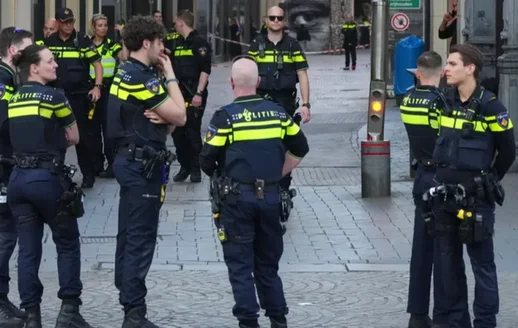
Explosives attack on Jewish school in Amsterdam
March 14, 12:31 -
Happening now...


ideas

top






TRENDING 




services
- POLICE129
- STREET POLICE126
- AMBULANCE112
- FIREFIGHTER128