


FLASH NEWS
REL Analysis: How changes in the world can bring new recognition to Kosovo

2025-11-30 13:28:38 / KOSOVA
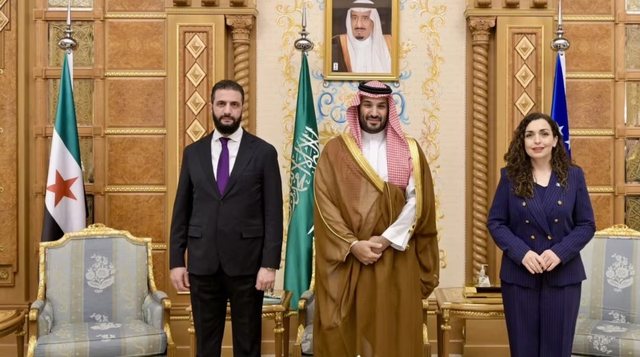
On the global stage, Kosovo is still seeking to assert its place. Even after nearly 18 years of independence, many countries in the Islamic world and beyond do not recognize it, while its diplomacy often seems fragmented and unclear.
This year, President Vjosa Osmani, who is responsible for foreign policy, confirmed the recognition of Kosovo by three countries: Kenya in March, Sudan in April, and Syria in October.
The last time Kosovo secured three recognitions in a single year was in 2015: from the Cook Islands, Antigua and Barbuda, and Niue. During the decade, up until this year, the country only received six new recognitions.
Albin Kurti's government, which led for the last four years, wrote in its government program for 2021-2025 that "The Republic of Kosovo will strengthen its international subjectivity. This applies both to efforts for recognition and mutual diplomatic relations, membership in international organizations, economic cooperation, cultural exchanges, as well as to the entire spectrum of bilateral and multilateral cooperation."
And, almost at the end of his term, in December 2024, Kurti tried to relativize criticisms about the lack of new recognitions, arguing that they were not part of the campaign promises.
"I know we have been criticized for not having new recognitions, but you have to understand one more thing - we did not promise visa liberalization or new recognitions in the campaign. In the campaign, we said employment and justice. So, you have to measure us against our commitments that we made in the 2021 campaign and in the government program afterwards," Kurti said at the time.
Radio Free Europe requested information from the Presidency and the Ministry of Foreign Affairs and Diaspora of Kosovo about their lobbying activities, priorities, and opportunities for any new recognition, but received no response.
The MFA website lists 120 countries from around the world that recognize Kosovo, but the relatively low number of Muslim-majority countries is striking. Given that Kosovo itself is a country with an overwhelming Muslim majority, one would expect support from these countries to be broader.
However, its independence – declared in 2008 – has been recognized by just over half of the 57 member states of the Organization of Islamic Cooperation. Before Sudan and Syria's recognitions this year, the last Muslim-majority country to recognize Kosovo was Bangladesh, in 2017.
Former Kosovo ambassador to Italy, Albert Prenkaj, says that the strong identification of Kosovo as a US project, in a period when Washington has had tense relations with many countries in the Islamic world, has often clashed with the regional interests of these states. According to him, the religious factor has had almost no weight.
“Sa herë që e kemi paraqitur elementin islamik, e kemi paraqitur si diçka të veçantë, si islam laik, por të cilin vendet islame nuk e pranojnë, sepse ato e kanë islamin më të thellë në shoqëri. Te ne nuk është… por sa herë që jemi paraqitur kësisoj, nuk na kanë parë si seriozë”, thotë Prenkaj për programin Expose të Radios Evropa e Lirë.
Hulumtuesi Butrint Berisha, i cili ka doktoruar në marrëdhëniet ndërkombëtare në Universitetin Tartu në Estoni, thotë se një rol të rëndësishëm ka luajtur edhe faktori historik. Sipas tij, Serbia ka trashëguar lidhjet e gjera të ish-Jugosllavisë me vendet arabe, afrikane dhe aziatike, të cilat vazhdon t’i shfrytëzojë edhe sot për të penguar avancimin e marrëdhënieve të Kosovës me botën islame.
Për më tepër, Beogradi ka qenë i angazhuar edhe në një fushatë çnjohjeje të Kosovës, që, sipas zyrtarëve serbë, ka sjellë disa rezultate, megjithëse ato nuk janë konfirmuar kurrë nga autoritetet kosovare.
Berisha nënvizon gjithashtu se shumë shtete, përveç ndikimit të jashtëm, kanë edhe sfidat e veta, që i bëjnë më të kujdesshme ndaj njohjes së Kosovës.
“Maroku dhe Saharaja Perëndimore mendoj se janë ilustrimi më i mirë. Në terren kemi të bëjmë me një pushtim të Saharasë Perëndimore nga ana e Marokut [por që OKB-ja e konsideron si problem të pazgjidhur]. Ndaj, shtete si ky që kanë probleme me kontrollimin e territorit të tyre në plotni, janë shumë më hezituese që ta njohin Kosovën. Kjo vlen jo vetëm për shtetet e botës islame, por edhe në nivel global në përgjithësi”, thotë Berisha për Exposenë.
Njohja e Kosovës nga Siria erdhi pas ndryshimit të regjimit dhe rritjes së ndikimit të SHBA-së në rajon.
Të dy ekspertët vënë në dukje se Kosova duhet të përfitojë nga këto ndryshime globale për të avancuar interesat e saj. Ata sugjerojnë se Libani mund të jetë vendi i radhës me shumicë myslimane për lobim, pasi tani ka një qeveri funksionale dhe është gjithnjë e më shumë në fokus të SHBA-së. Po ashtu, Azerbajxhani, pas marrëveshjes së ndërmjetësuar nga SHBA-ja me Armeninë, shihet si një objektiv realist për njohje të reja.
Radio Evropa e Lirë kontaktoi përmes emailit ministritë e Jashtme të të dyja këtyre vendeve për t’i pyetur nëse po shqyrtojnë mundësinë e njohjes së Kosovës, por nuk mori përgjigje.
Ish-diplomati Prenkaj thotë se Kosova, sidomos viteve të fundit, nuk ka ndjekur një strategji të qëndrueshme për t’u shfaqur si aktor i besueshëm në skenën ndërkombëtare. Mungesa e koordinimit mes Presidencës, Qeverisë dhe MPJD-së, por edhe me aleatët kryesorë – SHBA-në, Britaninë e Madhe dhe Turqinë – e ka dobësuar fushatën për njohje të reja, sipas tij.
“Është politikë ad hoc. E kam thënë edhe më herët se Kosova, për një periudhë tashmë, nuk ka politikë të jashtme, meqenëse ka humbur edhe koordinimi me shtetet mike”, sipas tij.
In 2008, when Kosovo declared independence, then-Prime Minister Hashim Thaçi promised recognition from 193 countries, which translates to all member states of the United Nations, plus one other country. However, Kosovo still remains far from this goal.
The country is not recognized by two Western Balkan countries – Serbia and Bosnia and Herzegovina – as well as five European Union countries: Greece, Spain, Romania, Slovakia and Cyprus.
In institutional terms, Kosovo has managed to join organizations such as the World Bank, the International Monetary Fund, the European Bank for Reconstruction and Development, and others, but has failed to join UNESCO, Interpol, the Council of Europe, the UN, and others.
Experts agree that Kosovo needs to build a multifaceted and sustainable strategy for international recognition. In addition to traditional diplomacy, Berisha also recommends utilizing economic partnerships and non-state actors, such as NGOs and celebrities.
"I try to defend the argument that there is a lot of space in non-Western countries for Kosovo - even in cases where recognition is not possible - to advance economic relations with these countries. Of course with the Muslim world, but also with other countries in Africa, Asia, Latin America. The more partnerships there are, the more opportunities there will be for both people and businesses," says Berisha.
Both Prenkaj and Berisha emphasize that new recognitions remain essential for Kosovo, as they demonstrate the stability of the state and its role as a factor of stability in the region.
Berisha admits that the debate between foreign and domestic policy is inevitable, but to illustrate the weight of recognitions, he also brings the example of the Palestinian territory, recognized by more countries than Kosovo, but which continues to be unstable due to the conflict with Israel. According to him, even in such cases, the number of recognitions maintains its importance as a symbolic and diplomatic instrument, despite the complicated reality on the ground.
In this context, Berisha recalls that the state-forming process of Kosovo itself has historically been built on the idea of international recognition.
"I think that the project of the state of Kosovo, not only the independence declared in February 2008, but since the '90s, has been based on international recognition. So, it is something that Kosovo has been asking for since the '90s and there is no reason for there to be a change in approach or in thinking," he says.
In a world where alliances are changing rapidly and diplomatic competition is increasing, experts emphasize that the new Kosovo Government will need to build a coordinated strategy with allies, while also having the ability to adapt and act quickly whenever new opportunities arise – as was the case with Syria, after the regime change. In diplomacy, time is as important as vision./ REL
Happening now...







ideas



top






TRENDING 




services
- POLICE129
- STREET POLICE126
- AMBULANCE112
- FIREFIGHTER128