


FLASH NEWS
War crimes in Rahovec and Suhareka, Kosovo Special Prosecution indicts 2 people

2025-12-01 19:18:37 / KOSOVA
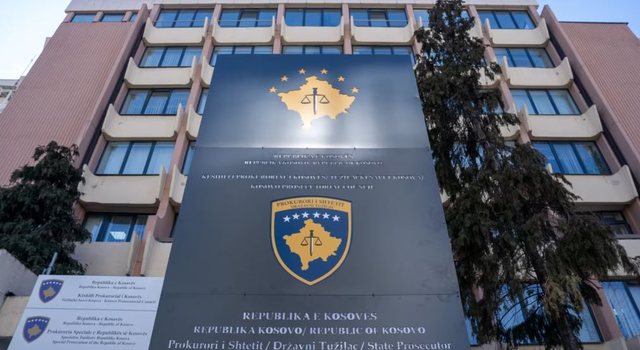
The Kosovo Special Prosecution Office filed an indictment on Monday against two suspects for war crimes against the civilian population during the 1998-99 war in Kosovo.
The defendants, identified only as AZ and BD, are inaccessible to Kosovo justice institutions, so the prosecution has requested that they be tried in absentia.
The suspects were part of the then Serbian police in Kosovo and are accused of mistreating and abusing civilians after arresting them in Rahovec and Suhareka during 1998-99.
"Among those arrested were RJ, MK, EG, SE, VV, QK, UK, HG, SG, H.Sh and AZ, who during the interrogation process were beaten with strong tools and other methods of inhuman treatment, as a result of which RJ died, while the other persons suffered serious bodily injuries," the indictment states.
In recent years, Kosovo has increased the number of indictments in absentia for war crimes during the last war. In July, the Prosecutor's Office filed indictments in absentia against 21 suspects for the forcible expulsion of over 800,000 Albanian civilians from Kosovo during the war, Radio Free Europe reports.
Trial in absentia is possible in Kosovo following amendments to the Criminal Procedure Code, made in 2022. However, such trials can only be held on the condition that the prosecution and the court have exhausted all means to ensure the presence of the accused.
However, this Code stipulates that persons tried in absentia have the right to an unconditional retrial when arrested.
According to the Humanitarian Law Center in Kosovo, since the law on trials in absentia came into force, dozens of indictments have been filed in absentia against dozens of members of Serbian forces suspected of committing war crimes in Kosovo.
Meanwhile, the first verdict in absentia was pronounced in December 2024 in the case of Çedomir Aksiq, who was sentenced to 15 years in prison for war crimes against the civilian population.
During the war in Kosovo, from 1998 to 1999, over 13,000 civilians were killed, while thousands more disappeared. Over 1,600 people are still missing – the majority of them Albanians.
Hundreds of murdered Kosovo Albanians have been found in mass graves in Serbia. Their bodies were moved by Serbian forces in an attempt to cover up the crimes.
Serbia's political and military leaders have been arrested, tried and convicted by the International Criminal Tribunal for the former Yugoslavia in The Hague for crimes against humanity committed in Kosovo.
Among them was Slobodan Milosevic, who died in prison without being convicted for his responsibility in ordering war crimes in Kosovo.
Happening now...






ideas


top




TRENDING 



services
- POLICE129
- STREET POLICE126
- AMBULANCE112
- FIREFIGHTER128