


FLASH NEWS
Big development! 92% of skin cancer cells can be destroyed with precise light therapy

2025-12-09 16:04:16 / MISTERE&KURIOZITETE
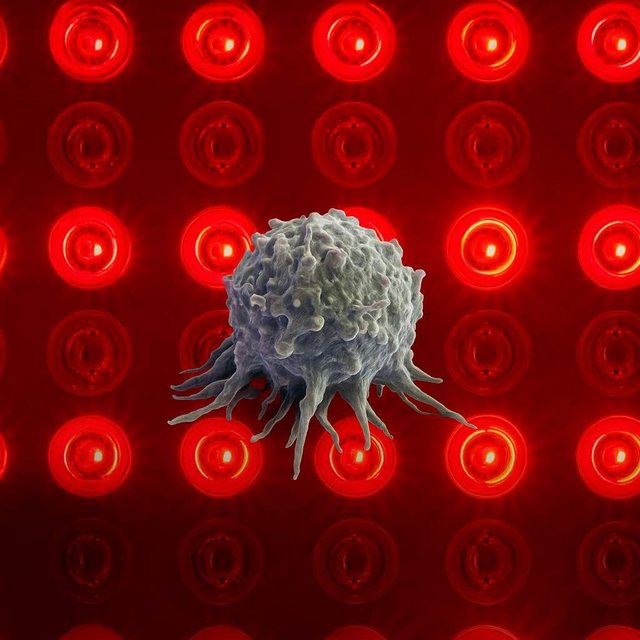
NEW LIGHT-BASED THERAPY
A team of scientists led by Dr. Artur Pinto at the University of Porto in Portugal, in collaboration with researchers at UT Austin, has created a new cancer treatment that uses LED light and very small particles of tin oxide. This method directly targets cancer cells and does not harm healthy tissue. The treatment is non-invasive and represents an important step in modern medicine.
HOW THE TREATMENT WORKS
LED light in the infrared spectrum activates nanoflakes within the tumor. These particles convert the light into concentrated heat, which destroys only the cancer cells, while leaving the surrounding healthy skin and tissue intact. The process is controlled, targeted, and extremely safe.
IMPRESSIVE EFFECTIVENESS AND SAFETY
According to studies published in ACS Nano, just 30 minutes of light exposure was enough to eliminate up to 92 percent of skin cancer cells and 50 percent of colorectal cancer cells, while healthy cells remained untouched. The results show great potential and a very favorable safety profile.
ADVANTAGES COMPARED TO CLASSIC TREATMENTS
Unlike chemotherapy and surgery, which often cause severe side effects, this therapy is minimally invasive and destroys only diseased cells. The risk is lower, the side effects are fewer, and the treatment can be more economical. In some cases, patients can even avoid hospitalization.
THE FUTURE OF TREATMENT: FROM HOSPITAL TO HOME
Dr. Pinto's team is working to develop portable devices that would allow patients to receive therapy at home. This would increase convenience, accessibility, and could significantly reduce the risk of disease recurrence. If the technology advances as predicted, it has the potential to transform the way cancer is treated worldwide.
Porto, the city where this medical revolution is taking place, is today one of the most important research centers in Europe.
Although the lab results are very promising, the therapy is still in the early stages of development. Before it can be used in patients, it must pass several mandatory scientific and regulatory stages.
1. Pre-clinical phase (animal testing)
Safety, optimal dosage, and how the nanoflakes behave inside a living organism will be evaluated. This phase usually lasts 1 to 3 years.
They involve three phases:
• Phase 1: safety testing (10–50 patients)
• Phase 2: effectiveness testing (100–300 patients)
• Phase 3: large international trials (300–3000 patients)
Only after these stages are passed can the therapy receive approval from health authorities. This can take 6 to 10 years .
3. Approval, production and global distribution
Once the treatment is approved, it takes another 1 to 2 years to:
• manufacture the devices
• train doctors
• create distribution infrastructure
If all phases go as expected, LED and tin oxide therapies could be available to the public within the next 7 to 12 years.
However, for severe or hopeless cases, some research centers may require special authorizations for early use.
Happening now...















The revolution is over, Edi Rama continues calmly
Nga Bato Kosova
ideas



top






TRENDING 




services
- POLICE129
- STREET POLICE126
- AMBULANCE112
- FIREFIGHTER128