


FLASH NEWS
Apple warns: iPhones under attack from 'sophisticated' hackers who secretly break into devices

2026-01-19 11:27:58 / TRENDING
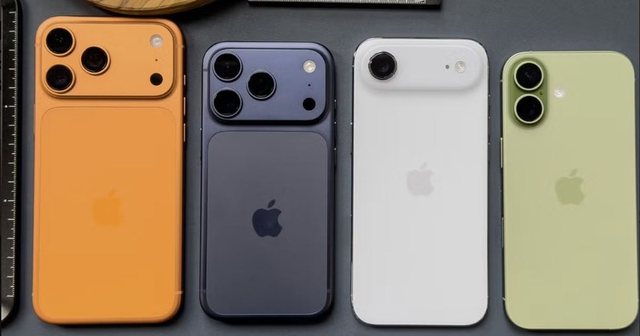
Apple has warned that iPhones are under attack by highly sophisticated spyware, putting hundreds of millions of phones at risk.
The technology company made the call after at least 50% of the 1.8 billion iPhone users have not yet updated their devices to iOS 26, the latest version that includes fixes for recent security vulnerabilities.
The attacks are highly sophisticated and precise, often using zero-click exploits, which give hackers the ability to take control of the device without the user having to click a link, open a file, or take any action.
If a device becomes infected, hackers can steal personal data, track the user's location, access the camera and microphone, and even commit financial fraud, putting the user's privacy and security at risk.
Cybersecurity experts advise users to act immediately by restarting their devices, then going to Settings → General → Software Update.
"Many people don't realize that when devices reboot, any malware that is in the cache is distributed, unless it has managed to stay active, in which case it will be returned," Malwarebytes researchers say.
"Many advanced spyware tools avoid leaving traces that could allow their persistence and rely on users not rebooting devices."
iOS 26 was released on September 15, 2025, but as of January 2026, up to 75% of users had not yet downloaded it. Usage remains at only 16–20%, significantly lower than previous versions.
One possible reason is the new "Liquid Glass" visual design, introduced with iOS 26, with a translucent and dynamic interface that changes according to use, which some users have found confusing and distracting.
Most iPhones currently run iOS 18, thanks to Apple's long-standing security support. But iOS 26 strengthens security with new tools against online tracking in Safari, blocks dangerous cable connections, and adds protection against fraudulent calls and messages.
Apple has released the latest iOS 26.2 after identifying two critical vulnerabilities in WebKit, the Safari browser engine, and all browsers on iOS. The company describes them as part of an extremely sophisticated attack, targeted at specific individuals.
The vulnerabilities can be exploited by malicious websites, which can force the device to execute dangerous code without permission, giving hackers the ability to control your iPhone or iPad.
For users with automatic updates, the fix should already be installed, while others will need to manually download iOS 26.2 or iPadOS 26.2 from Settings.
The most vulnerable devices include:
iPhone 11 and newer models
iPad Pro 12.9-inch (3rd generation and later)
iPad Pro 11-inch (1st generation and later)
iPad Air (3rd generation and later)
iPad mini (5th generation and later)
These weaknesses are called zero-day vulnerabilities, meaning they were unknown to software creators and could be exploited before a fix existed.
Apple has also released updates for: iOS 18.7.3, iPadOS 18.7.3, macOS Tahoe 26.2, tvOS 26.2, watchOS 26.2, visionOS 26.2, and Safari 26.2.
One of the issues, the use-after-free bug, was a memory issue that was resolved by improving the way the device manages temporary data (CVE-2025-43529).
The other, a memory corruption bug, was fixed by implementing stricter checks to prevent errors (CVE-2025-14174).
Security experts emphasize: Act immediately and update your devices to avoid serious risks to privacy and personal data.
Happening now...
















Germany, the "curse" of Rama and Berisha
Nga Bato Kosova
ideas

When crisis becomes a system: Dilemmas of the Republic of Kosovo
Nga Sokol Neçaj


The opposition must and will be bigger than an individual.
Nga Taulanda Jupi
top



Alfa recipes



TRENDING 




services
- POLICE129
- STREET POLICE126
- AMBULANCE112
- FIREFIGHTER128