


FLASH NEWS
When crisis becomes a system: Dilemmas of the Republic of Kosovo

2026-03-06 12:01:40 / IDE
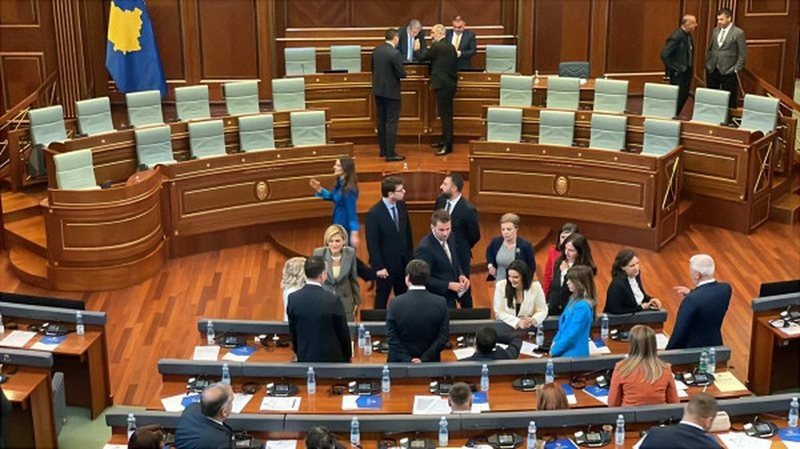
In parliamentary democracies, political crises are a normal part of institutional life. Coalitions break down, majorities change, and early elections often serve as a mechanism to restore political legitimacy. But when a state enters repeated cycles of elections and institutional gridlock, then the crisis ceases to be an episode and becomes a symptom of a deeper problem. This is precisely where the Republic of Kosovo seems to be today.
The failure to elect a new president and the subsequent dissolution of the Assembly is not just a procedural impasse. It is a moment that exposes an internal contradiction of the Kosovar political system: A constitution that demands institutional compromise in a political culture that rewards conflict and polarization.
According to the Constitution of Kosovo, the president is elected by the Assembly. In the first two rounds, a two-thirds majority of the deputies is required, while in the third round, a simple majority of votes is sufficient. If the president is not elected after this round, the Constitution provides for the automatic dissolution of the Assembly and the organization of new elections. The idea of this mechanism is clear: To force the political class to find a compromise for a position that symbolizes the unity of the state.
But constitutional mechanisms only work when political actors share a minimum of institutional culture. When this culture is absent, the rules themselves can become an instrument of blockade.
The current crisis is a product of this paradox. The majority failed to secure the opposition’s support for its presidential candidate, while the opposition refused to participate in the process, so that the election failed due to a lack of quorum. The result was predictable: a stalemate that led to the dissolution of the Assembly and new elections – the third in just over a year.
Formally, the responsibility is shared. The government failed to build a sufficiently broad political formula for a post that, by its constitutional nature, requires legitimacy broader than the usual parliamentary majority. If the presidential candidacy is perceived as an extension of party power rather than a unifying figure, then failure becomes almost inevitable.
But the opposition cannot be presented as an innocent party either. Boycott can be a legitimate parliamentary tactic in many cases. However, when used to block the election of the head of state and to force the dissolution of the Assembly, it becomes an instrument that consumes the system itself. The opposition may gain a tactical advantage, but at the cost of the republic appearing incapable of producing institutional normality.
Pasoja e parë e këtij cikli krizash është delegjitimimi gradual i institucioneve. Kur qytetarët shohin se Kuvendi nuk arrin as të kryejë funksionet më elementare kushtetuese, besimi tek politika fillon të kriset. Zgjedhjet e shpeshta, pa aftësi për të prodhuar stabilitet, nuk e forcojnë demokracinë; përkundrazi, e banalizojnë atë. Vota fillon të perceptohet jo si mjet zgjidhjeje, por si ritual i pafrytshëm që riprodhon të njëjtën krizë.
Pasoja e dytë është paraliza e vendimmarrjes. Një shtet që hyn vazhdimisht në fushatë zgjedhore, nuk qeveriset realisht. Administrata, qeveria dhe partitë përqendrohen në kalkulimin elektoral të radhës, ndërsa politikat publike shtyhen ose mbeten pezull. Reformat strukturore – në drejtësi, ekonomi, energji apo administratë – kërkojnë stabilitet politik dhe kohë institucionale. Kur kjo kohë konsumohet nga krizat e njëpasnjëshme, shteti fillon të humbasë kapacitetin për të vepruar.
Pasoja e tretë është dëm në politikën e jashtme të Kosovës. Ndryshe nga shumë shtete të konsoliduara, Kosova mbetet ende në procesin e konsolidimit ndërkombëtar. Njohjet, marrëdhëniet me partnerët euro-atlantikë dhe dialogu me Serbinë kërkojnë koherencë institucionale dhe stabilitet politik. Një vend që paraqitet vazhdimisht në krizë të brendshme humbet peshë diplomatike dhe besueshmëri strategjike.
Në arenën ndërkombëtare, stabiliteti institucional është një formë kapitali politik. Kur partnerët e Kosovës shohin një sistem që prodhon vazhdimisht bllokada, ata fillojnë të dyshojnë në aftësinë e elitës politike për të ndërtuar marrëveshje minimale kombëtare. Kjo dobëson pozicionin negociues të vendit në çdo proces diplomatik.
Një pasojë edhe më e rrezikshme është krijimi i një precedenti kushtetues. Nëse partitë mësojnë se përmes refuzimit të kompromisit mund të çojnë vendin në zgjedhje sa herë që llogaritë elektorale u duken të favorshme, atëherë zgjedhja e presidentit kthehet në instrument shantazhi politik. Presidenca humbet funksionin e saj unifikues dhe bëhet nyje e bllokadës sistemike.
Në këtë pikë, kriza nuk është më vetëm politike. Ajo bëhet krizë e kulturës kushtetuese.
Zgjedhjet e reja mund të prodhojnë qartësi vetëm nëse rezultati elektoral krijon një mandat shumë më të qartë për një palë ose, nëse partitë kuptojnë se publiku po ndëshkon bllokadën. Por ekziston edhe një skenar tjetër, ndoshta më realist: Zgjedhjet prodhojnë përsëri një parlament të fragmentuar dhe kriza rinis me aktorët e njëjtë.
Prandaj zgjedhjet, në këtë rast, janë më shumë mekanizëm shkarkimi sesa zgjidhje strukturore. Ato e rivendosin procesin politik, por nuk e zgjidhin domosdoshmërisht problemin themelor: Mungesën e një elite politike të gatshme për kompromis institucional në çështjet që prekin vetë funksionimin e shtetit.
Kosova është një republikë e re që ende po ndërton autoritetin e saj institucional. Në këtë fazë të historisë së saj, stabiliteti politik nuk është luks; është kusht i domosdoshëm për konsolidimin e shtetit.
If the cycle of crises continues, the biggest risk is not just instability. The risk is that instability becomes normal – and that the republic learns to live in a state of permanent crisis. At that point, the problem will no longer be choosing a president.
The problem will be the very ability of the political system to function as a republic.
Happening now...








ideas


top



Alfa recipes








services
- POLICE129
- STREET POLICE126
- AMBULANCE112
- FIREFIGHTER128