


FLASH NEWS
Challenge for employees, how Artificial Intelligence is endangering the labor market in Albania

2026-04-20 16:49:09 / TRENDING
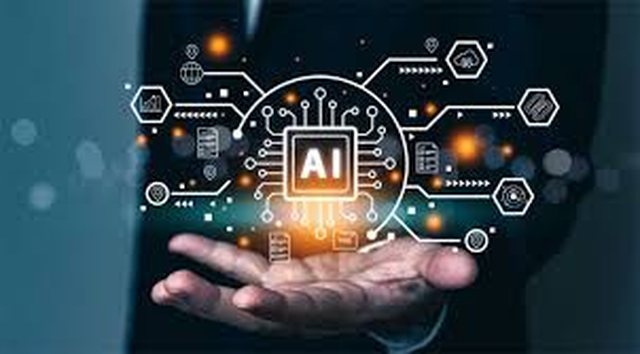
Artificial Intelligence (AI) is reshaping labor markets around the world, bringing challenges and opportunities even to countries like Albania, notes a recent study on "The Impact of AI on Labor Markets" by the European Training Foundation (ETF).
For Albania and the Western Balkan countries, the transition to the AI era is somewhat more difficult than in developed countries. The report notes that middle-income countries, including Albania, are more exposed to the automating effects of AI technologies.
Unlike previous technological revolutions that primarily affected manual jobs, AI is hitting professions that require higher education and cognitive skills. This means that the service sectors, administration, and office jobs in Albania could undergo greater transformations.
One of the ETF’s key findings is that AI tends to lead to the displacement of routine tasks. In the Albanian context, this creates a risk of deepening inequalities if not addressed with clear policies. Young, educated and digitally skilled workers are expected to benefit most from using AI as a productivity tool. On the other hand, low-skilled or older workers face the risk of work intensification and loss of autonomy.
The report raises concerns that if Albania does not invest in upskilling and retraining its workforce, there is a risk that the productivity benefits of AI will remain concentrated in a small group with knowledge of AI.
Another phenomenon being observed is the impact on new graduates. Since AI is highly skilled at simple analytical tasks that were typically assigned to younger workers, the career ladder could be broken, the study notes. However, there is also the possibility that AI could empower less experienced workers to perform complex tasks, thereby expanding the middle class.
In terms of working conditions, the report notes that the use of algorithmic management is also spreading to traditional workplaces. This could lead to stricter monitoring and increased pressure on employees. For the Albanian market, where employee protection is still in the process of strengthening, this requires increased attention from regulators to avoid abuses of privacy and labor rights.
The study notes that Albania's success in this new era will depend on decisions made today. The ETF suggests implementing a strong policy agenda that includes free access to digital education. /Monitor
Happening now...












ideas

Silence as a policy and fear as a system
Nga Sokol Neçaj

Is Spiropali a "Magyar", facing the autocrat Rama?!
Nga Neli Demi

American Libra!
Nga Arian Galdini
top


Alfa recipes








services
- POLICE129
- STREET POLICE126
- AMBULANCE112
- FIREFIGHTER128