


FLASH NEWS
Doctors warn: Asthma can appear at any age and most people don't know they suffer from it

2025-11-22 19:19:33 / MISTERE&KURIOZITETE
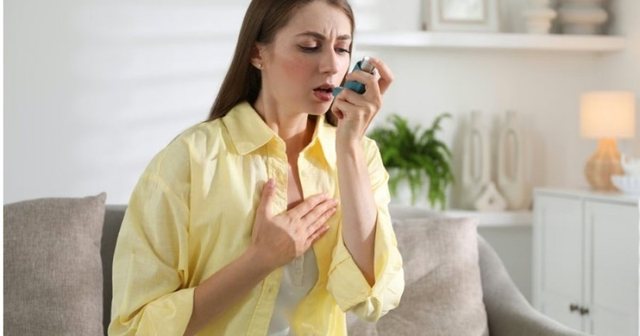
Although asthma most often appears in childhood, there are increasingly cases where the disease only develops in adulthood, when it can be more serious and difficult to treat.
According to pulmonologist Dr. Rachel Taglierschio of the Cleveland Clinic, more and more people develop asthma after the age of 20.
This is called adult-onset asthma, and the symptoms are the same as in children - but in adulthood they are often more pronounced and last longer.
When asthma appears later
"The symptoms are the same as in children, but in adults they are usually more severe and less likely to go away on their own," explains Dr. Taglierscio.
Adults often ignore the first signs for years, attributing them to poor physical condition or aging.
The most common symptoms include shortness of breath, chest tightness, chronic dry cough, and feeling short of breath. If not diagnosed in time, permanent lung damage can occur.
"If you feel like your breathing isn't what it used to be, don't think of it as a normal part of aging. Seek help," the doctor advises.
Heavier than in childhood
In adults, asthma is more often severe and persistent. In addition, diagnosis is often delayed because symptoms are confused with other diseases - from reflux and heart failure to chronic obstructive pulmonary disease (COPD).
This is why asthma mortality is higher in adults than in children. An additional problem is that the lungs lose their elasticity with age and the muscles that help with breathing weaken.
Some medications used for other conditions - for example beta-blockers for the heart or oral steroids - can make asthma symptoms worse.
Who is at greatest risk?
There are several factors that increase the chance of developing asthma in adulthood:
Heredity - if someone in the family has asthma, the risk is higher
Smoking and passive smoking - smoke and chemical irritants damage the respiratory tract
Obesity and lack of activity - affect lung function and increase inflammation
Hormonal changes - pregnancy and menopause can trigger symptoms
Allergies - common triggers of later-onset asthma
Work environment - dust, chemicals, gases and industrial fumes
Other conditions - severe respiratory infections, drug abuse or certain medications
The doctor will do a breathing test (spirometry) to assess your lung function. If you are already using inhalers, you will need to stop using them the day before the test.
It is important to rule out other conditions with similar symptoms first. Once the diagnosis is confirmed, the next step is to find the best therapy for daily functioning.
In adults, a combination of inhaled corticosteroids, maintenance medications, and biologic therapy is often required.
Treatment and daily life
Asthma cannot be completely cured, but it can be controlled very successfully. The key is to know your triggers and follow a treatment plan. Dr. Taglierscio advises:
Take the therapy regularly and do not change the dosage without your doctor's advice.
Monitor your lung function at home too.
Have a crisis plan - agree with your doctor what to do if symptoms worsen.
Pay attention to air quality - stay inside when there is pollution outside and consider an air purifier.
Maintain physical activity, exercise regularly and gradually, with an inhaler in hand.
Stop smoking - e-cigarettes are not a safer alternative either.
Take care of your mental health - stress and anxiety can trigger or worsen seizures.
Breathing exercises can also be very helpful.
When we breathe easier - everything is easier
Adult-onset asthma can be a surprise, but it's not difficult to treat. With proper diagnosis and treatment, most people lead normal, active lives.
"Undiagnosed asthma can cause permanent loss of lung function," warns Dr. Taljerscio, adding that when you know what's happening to you and have a plan, you'll breathe much easier — both literally and figuratively.
Happening now...













The revolution is over, Edi Rama continues calmly
Nga Bato Kosova
ideas



top






TRENDING 




services
- POLICE129
- STREET POLICE126
- AMBULANCE112
- FIREFIGHTER128