


FLASH NEWS
Vjosa Osmani's presidential term ends, DW analysis: Could Kosovo go to the polls again? How could the race for the new head of state affect it?

2026-01-07 14:14:50 / KOSOVA
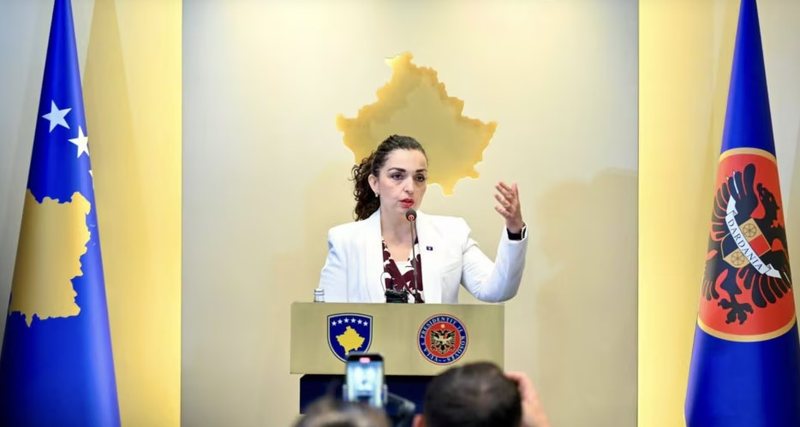
The process of counting votes from the December 28 elections, those cast by mail from outside Kosovo, is continuing and the updated results have already brought about a change in the mandates won by the deputies.
The Vetëvendosje Movement, which received over 50% of the votes in the elections, has now secured 57 seats. It is followed by the Democratic Party of Kosovo (PDK) with 23 seats. The Democratic League of Kosovo has fallen to 14 seats, while the Alliance for the Future of Kosovo (AAK) has not changed, remaining with only 6 seats.
According to the Central Election Commission (CEC), the final results may be announced earlier than the planned date of January 19, after which the results will be certified.
But, even before the results of the December 28 elections have been certified, the leader of the LVV, Albin Kurti, has mentioned the possibility of new elections if the President is not elected by March 5. The mandate of the current President, Vjosa Osmani, ends at the end of April, but a President must be elected a month before that.
Albin Kurti told local media that he does not need the support of other Albanian parties to constitute the Assembly and form the government. But for the issue of the President, two-thirds of the deputies must be present in the Assembly and for this, they do not currently have the necessary votes.
"If we fail to elect the president, and the deadline is March 4, if we do not have the budget for 2026 passed, we cannot even hold new elections. Of course, there is a theoretical and practical possibility that we will go to the elections. 80 people in the hall is a considerable difficulty. Last time we could not make it 61, while 80 is a much larger number than 61. This time we have 61, but we do not have 80. We have seen the President's statement. First, we must form the Assembly and the Government, we must also vote on the budget, these are the most important steps," says Kurti.
He considers it necessary to meet with Vjosa Osmani to discuss her interest in another five-year term. The President of Kosovo, Vjosa Osmani, for her part, has already stated that she aims for another five-year term to implement, as she said, "her plans for the good of the country."
But if her candidacy for another term is not supported by the deputies in the Assembly, Osmani has warned that they will face her in the next elections through her political activity.
“Në fund të fundit është në vullnetin e deputetëve që vendosin nëse do të më përkrahin apo jo, dhe po e them përsëri, në qoftë se vendosin që po, do të vazhdojmë me punë të mira për vendin, mbrojtje të interesave të qytetarëve. Në qoftë se vendosin që jo, atëherë unë e vazhdoj punën në një mënyrë tjetër, nëpërmjet angazhimit politik dhe kurdo që të ketë zgjedhje, atëherë i përballim idetë, nocionet, qëndrimet, energjinë, besa e shumëçka tjetër. Por qëllimi im është që të vazhdoj të jem e angazhuar politikisht dhe ta ndihmoj Republikën e Kosovës që të ecë përpara”, është shprehur Osmani.
Përfaqësuesit e PDK, LDK dhe AAK nuk kanë folur deri tani rreth formimit të institucioneve të reja dhe zgjedhjes së presidentit. Ato thonë se janë duke pritur certifikimin e rezultateve përfundimtare të zgjedhjeve të 28 dhjetorit për të parë përbërjen përfundimtare të Kuvendit. Analistët politikë thonë se për zgjedhjen e presidentit të vendit, kompromisi politik është i pashmangshëm.
Ehat Miftaraj nga Instituti i Kosovës për Drejtësi (IKD) i tha DW-së se “zgjedhja e presidentit të shtetit në mungesë të 80 votave për koalicionin fitues të zgjedhjeve të fundvitit do të duhej të bazohej në marrëveshje politike dhe kompromis lidhur me një figurë unifikuese që do të ushtronte pozitën e presidentit me integritet dhe në mënyrë të paanshme”.
Sipas tij, Kosova e ka urgjencë shtetërore që menjëherë pas konstituimit të Kuvendit dhe formimit të qeverisë, pa vonesë, të miratojë ligjin për buxhetin dhe të gjitha marrëveshjet ndërkombëtare, përfshirë Planin e Rritjes.
“Sikurse LVV dhe z. Kurti, nëse e vënë në rend të parë interesin e Republikës së Kosovës, do të gjenin kompromis për të zgjedhur edhe Presidentin e Republikës për t’i dhënë drejtim zhvillimit ekonomik dhe integrimit evropian, dy procese që kanë stagnuar në status quo në pesë vitet e fundit. Kosova nuk e ka komoditetin për zgjedhje të reja, pasi kjo do të kishte pasoja të dëmshme dhe afatgjata për integrimin evropian, por edhe humbjen e besimit të partnerëve ndërkombëtarë”, thotë Miftaraj.
Analisti tjetër politik, Artan Muhaxhiri, i tha DW-së se procesi i zgjedhjes së presidentit do ta prodhojë edhe një sfidë të re me potencial bllokues.
“Prandaj, hendeku i madh aktual mes Lëvizjes Vetëvendosje dhe partive të tjera nënkupton vetëm një gjë normale: rigjetjen e vullnetit për bashkëpunim konstruktiv me kompromise reciproke ndaj interesave të dyanshme. Çdo qasje tjetër me automatizëm e çon Kosovën në zgjedhje të reja”, thotë Muhaxhiri. Sipas tij, “edhe një proces i ri zgjedhor do të ishte indikator madhor i paaftësisë së spektrit politik kosovar”.
“Do ta tregonte mungesën e plotë të integritetit personal, etikës publike dhe përgjegjësisë së tyre shtetërore ndaj dërgimit të shoqërisë në theqafje institucionale. Humbjet shumëdimensionale do të thelloheshin edhe më shumë, duke krijuar stagnime fundamentale sistemore politike dhe ekonomike, brenda vendit dhe në marrëdhëniet ndërkombëtare”, thotë Muhaxhiri.
How is the country's president elected?
The Constitution of Kosovo, according to Article 86, determines the procedure for electing the new president of Kosovo: The President of the Republic of Kosovo is elected by the Assembly, by secret ballot.
– The election of the president must take place no later than thirty (30) days before the end of the term of the current president.
– Any citizen of the Republic of Kosovo may be nominated as a candidate for President of the Republic of Kosovo, if he or she secures the signatures of at least thirty (30) members of the Assembly of Kosovo. Members of the Assembly may only sign for one candidate for President of the Republic of Kosovo.
– The election of the president is made by two-thirds (2/3) of the votes of all members of the Assembly.
– If no candidate receives a two-thirds (2/3) majority in the first two ballots, a third ballot is organized between the two candidates who received the highest number of votes in the second ballot, and the candidate who receives the majority of votes of all deputies is elected President of the Republic of Kosovo.
– If in the third vote no candidate is elected President of the Republic of Kosovo, the Assembly is dissolved and new elections are announced, which must be held within forty-five (45) days./DW
Happening now...



The revolution is over, Edi Rama continues calmly
Nga Bato Kosova
ideas



top




TRENDING 




services
- POLICE129
- STREET POLICE126
- AMBULANCE112
- FIREFIGHTER128