


FLASH NEWS
Today, 558 years since the death of the National Hero, Gjergj Kastrioti Skanderbeg

2026-01-17 08:54:52 / JETË
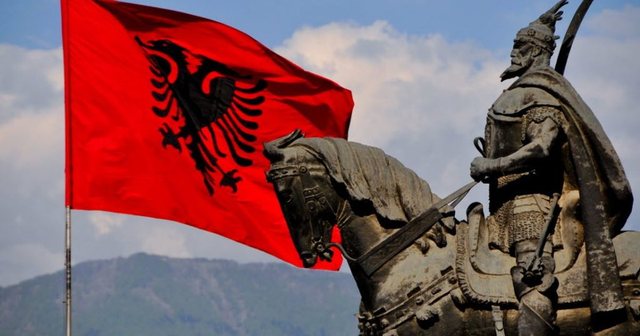
Today marks 558 years since the death of our National Hero, Gjergj Kastrioti Skanderbeg (1405-January 17, 1468).
Skanderbeg was known as the God of Arber. His name represents us worthily in the realm of world history, as a key figure connecting Albanians with the West. He personifies not only the most important figure of the Albanian people, but also an entire era of national history.
Gjergj Kastrioti Skanderbeg entered history as one of the greatest generals of the time, as an outstanding strategist of defensive battles, because with a small army he was able to confront and destroy the camps of the Ottoman army, the most organized and modern for the time. The Albanian war with him at the head marks a decisive turning point in the political organization of the country, as well as in the strengthening of national unity.
After liberating Kruja on November 28, 1443, he raised the flag of the Kastriots and on March 2, 1444, in the Cathedral of Saint Columb in the city of Lezha, Gjergj Kastrioti held the First National Assembly. With the Assembly of Lezha, Skanderbeg laid the foundations of an Albanian state. It was the assembly where the foundations of national unity were laid. The massive mobilization of Albanian forces that began in Dibër expanded to a general uprising. Within the first months, several principalities and most of the Albanian lands were liberated.
Albanian forces led by Skanderbeg won a series of battles against Ottoman armies, such as in the fields of Polog, Dibra, Ohrid and Domosdova, the gorges and valleys of Shkumbini, the fields of Uji i Bardhë, Livadi near Ohrid, Vajkal, etc.
After years of war and resistance to the Ottoman occupation, leading the Albanians' fight for freedom, Gjergj Kastrioti Skanderbeg died in Lezha.
Gjergj Kastrioti not only defended his people and homeland, but with his war he hindered, even stopped, the Ottoman expansion towards Europe, earning the gratitude of European states and the Papacy of Rome, while he was alive, and much more so after his death.
Happening now...


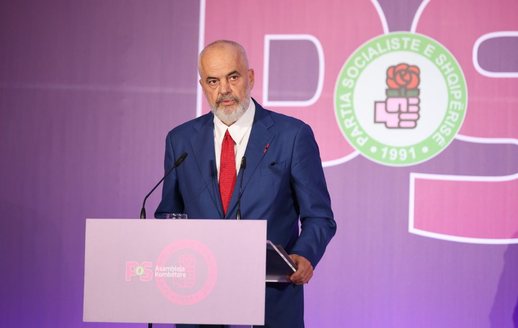






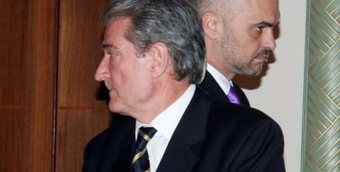
The revolution is over, Edi Rama continues calmly
Nga Bato Kosova
ideas



top



TRENDING 




services
- POLICE129
- STREET POLICE126
- AMBULANCE112
- FIREFIGHTER128