


FLASH NEWS
Why we are punished by the inability to be happy, according to Marcel Proust

2025-11-19 23:49:03 / JETË
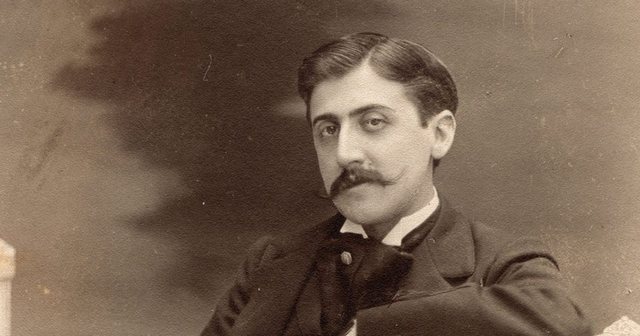
Marcel Proust, this meticulous anatomist of the human soul, teaches us that happiness is not a state we possess, but a horizon that shifts every time we think we are approaching it. At the heart of his meditation lies the idea that man is destined to be disappointed by his own nature: we do not know how to love what we have, because the human heart is a mechanism that modifies desires faster than life can fulfill them.
“Happiness can never come. Even when circumstances are overcome, nature brings the war from without inward and, little by little, changes our heart so much that we desire something other than what it has been given to possess…”
This is the fatality of human nature according to Proust, man eternally experiences the fate of the inner immigrant, whose home of happiness is always somewhere else. Even when circumstances coincide, even when external obstacles fall one by one, nature punishes us with our inner change. Our heart changes desire, goal, ideal, and the happiness that once seemed achieved, turns into an object emptied of its former magic.
Proust goes further: even if reality fails to prevent happiness, nature confronts us with a more insurmountable obstacle, our psychology. It sneaks into the cracks of consciousness and convinces us that what we have is no longer enough. And when we finally achieve what we wanted, nature uses possession itself as a means of overthrow. Happiness, for Proust, does not disappear because it is not achieved, but because within us there is no capacity to maintain it.
But, despite all this logic that sounds almost cruel, none of us is forbidden from seeking happiness. Proustian fatalism should not paralyze us. On the contrary, it makes us aware that happiness is a process, not a destination; a state that arises from the very effort to deserve it, not from the circumstances that supposedly bring it as a gift.
Therefore, even though nature challenges us with its invisible, merciless and persistent laws, man continues to challenge nature with his insistence on being happy. This act of defiance is our very dignity. Happiness is not a prize that is taken, but an act of rebellion that is carried out every day, against disappointments, against fear, against impatience, against the nature that changes us within ourselves.
And so, even though Proust disarms us of the dream, he simultaneously teaches us that being happy is a conscious and difficult act, but possible. Because happiness is not a given state, it is a decision that man renews in the silence of himself, in the face of nature that challenges him.
-

After suspension and injuries, Pogba is ready to make his Monaco debut
November 19, 23:42 -

-

Epstein files to be released within 30 days
November 19, 23:17 -

Turkish Airlines puts 49% of shares in Air Albania up for sale
November 19, 23:04
Happening now...















Germany, the "curse" of Rama and Berisha
Nga Bato Kosova
ideas

The opposition must and will be bigger than an individual.
Nga Taulanda Jupi

Violent protests as group therapy
Nga Roland Lami

Those who mocked and attacked Basha
Nga Ermal Peçi
top


Alfa recipes



TRENDING 




services
- POLICE129
- STREET POLICE126
- AMBULANCE112
- FIREFIGHTER128