


FLASH NEWS
OECD report: 20-40% of Albanian households face energy poverty

2026-01-27 16:08:31 / EKONOMI&SOCIALE
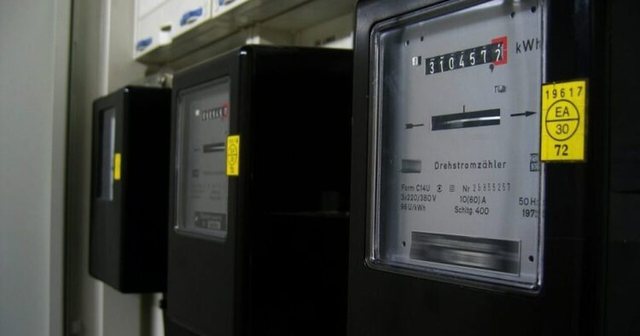
An OECD report on energy prices and subsidies in the Western Balkans notes that potential increases in electricity prices in Albania could have significant social consequences, especially for low-income households, if not accompanied by well-targeted support measures and investments in energy efficiency.
According to the OECD analysis, the expansion of social assistance, in its current form, may not be sufficient to compensate the most vulnerable groups for the negative effects of energy sector reforms. A 40% increase in the price of electricity in Albania would require additional transfers worth 2,511 million lekë, assuming no demand response from households. This estimate is based on Household Budget Survey (HBS) data on electricity consumption expenditures.
Energy consumption, little elastic in the short term
The report highlights that, while households are expected to reduce consumption in the face of rising prices, residential electricity consumption is relatively inelastic in the short term. This means that households, especially poorer ones, have little room to reduce spending without compromising basic needs.
Referring to SILC data, the OECD notes that in 2021, only 43% of NE benefits went to the bottom two deciles of the income distribution. If this level of targeting efficiency were to be maintained even after a price increase, the NE budget would need to increase by 4.6 billion lek, or 38.7 million euros, representing a 96% increase compared to the current level.
The report highlights that further analysis is needed to ensure that increased transfers would actually reach the families most in need. By comparison, a more moderate increase in energy prices, of 20%, would still require a 48% increase in the Economic Assistance budget, or about 19.4 million euros.
Better targeting can significantly reduce costs
The OECD points out that improved targeting and energy efficiency interventions could significantly reduce the need for financial compensation. If Economic Assistance were to focus entirely on the two lowest income deciles, the compensation costs would be halved. In this scenario, the compensation needed would be around €16.6 million for a 40% price increase, and €8.3 million for a 20% increase.
The report also notes that these calculations do not take into account the response of demand. In the long run, a price elasticity of around 50% would halve the resources needed for compensatory measures. However, the OECD underlines that Albania cannot rely solely on market mechanisms and must accompany any reforms with active energy efficiency policies, focused on low-income households.
Energy poverty, a widespread risk in Albania
The report goes beyond the issue of financial compensation and raises the alarm about the extent of energy poverty in Albania. According to subjective consensus indicators from SILC, between 20% and 40% of Albanian households currently face energy poverty. This includes households that are unable to keep their homes warm, that are in arrears in paying utility bills, or that live in housing with conditions that hinder energy efficiency.
An alternative method used internationally for measuring energy poverty is a threshold of 10% of household income or expenditure on energy, an approach used, among others, in Italy and parts of the United Kingdom. In Albania, according to the OECD, 45% of households spend over 10% of their total expenditure on energy. Moreover, for the top four deciles of the consumption expenditure distribution, the average household spends above this threshold, indicating that the risk of energy poverty extends beyond the population traditionally classified as poor.
Energy reform requires combined policies
In conclusion, the OECD emphasizes that any energy price reform in Albania should be accompanied by a combination of measures: well-targeted financial compensation, improved energy efficiency, and structural policies that reduce the dependence of poor households on high energy prices. Without these interventions, price increases risk deepening energy poverty and social inequalities in the country./ ekofin.al
Happening now...






The revolution is over, Edi Rama continues calmly
Nga Bato Kosova
ideas



top



TRENDING 




services
- POLICE129
- STREET POLICE126
- AMBULANCE112
- FIREFIGHTER128