


FLASH NEWS
Venezuela becomes Trump's oil superweapon against China

2026-01-05 23:17:54 / BOTA
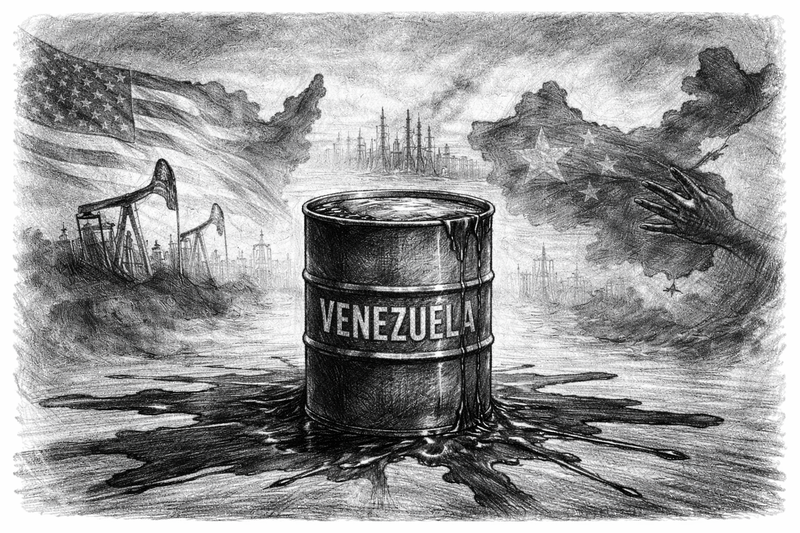
While many world leaders reacted with shock and bewilderment to Donald Trump's takeover of Venezuela, China's message was clear: release Nicolás Maduro.
"China calls on the United States to guarantee the personal safety of President Nicolás Maduro and his wife, immediately release them, and stop the overthrow of the Venezuelan government," China's Foreign Ministry said on Sunday.
This seemingly futile appeal underscores a stark truth about the American intervention: it is a major blow to China. “Whatever Trump says, this military action has had almost nothing to do with drug trafficking and a lot to do with China,” says Ashley Kelty, director of research at investment bank Panmure Liberum. “In fact, China is the biggest loser in all of this.”
China has poured billions of dollars into Venezuela's oil industry, which is under heavy sanctions, in exchange for cheap fuel. Traders report that oil destined for China has been sold for up to $14 a barrel cheaper than Brent, a significant discount when the benchmark price is around $60 a barrel.
Trump's action not only risks depriving China of this cheap source of supply, but also offers the US a path to energy dominance that could help it rival China in future technologies, such as artificial intelligence (AI).
Over the past 20 years, China has fueled its industrial strength, economic growth, and rise on the global stage in part through the rapid expansion of energy production capacity.
In 2024, China invested 4.4% of its GDP in energy, compared to 2% in the US. Today, China consumes significantly more energy than the US and has higher production capacity.
Closing the gap has become essential as the US tries to maintain its lead in the AI race. The technology relies on energy-hungry data centers, and there are concerns in Silicon Valley that a lack of investment will leave American companies behind in the years to come. OpenAI, the developer of ChatGPT, has directly used the Chinese threat to call on Washington to set a national energy target.
“By 2024, the People’s Republic of China added 429 gigawatts of new power capacity, more than a third of the entire U.S. grid and over half of global electricity growth,” the company wrote in an open letter last year. “The U.S. added only 51 gigawatts, or 12%.”
OpenAI i bëri thirrje qeverisë amerikane të vendosë një objektiv për ndërtimin e 100 gigavatëve kapacitet të ri në vit. Përveç kapacitetit, Kina ka disa prej kostove më të ulëta të energjisë në botë, pas investimeve masive në sektorin energjetik. Vetëm në vitin 2022, Pekini ofroi 2,2 trilionë dollarë subvencione për industrinë e karburanteve fosile, sipas FMN-së.
Tani Kina po përdor subvencione për të mbështetur industrinë e saj në zhvillim të IA. Qeveritë lokale po subvencionojnë faturat e energjisë për qendrat e të dhënave deri në 50%, raportoi Financial Times. Venezuela i jep SHBA-së një burim të gatshëm të naftës së rëndë, nga e cila varen rafineritë amerikane.
Vendi ka rezervat më të mëdha të provuara të naftës në botë, me rreth 303 miliardë fuçi nën tokë në vitin 2023, sipas Administratës Amerikane të Informacionit për Energjinë. Kjo përbën rreth 17% të rezervave globale.
Shumica e këtyre rezervave ndodhen në brezin e Orinokos, një zonë prej rreth 54 mijë kilometrash katrorë përgjatë lumit Orinoko, ndërsa rezerva të konsiderueshme gjenden edhe nën Liqenin Marakaibo.
Megjithatë, pavarësisht pasurisë së madhe të naftës, prodhimi aktual i Venezuelës është i parëndësishëm në nivel global dhe popullsia jeton në varfëri. Prodhimi ra nga mbi 3 milionë fuçi në ditë në fillim të viteve 2000, në rreth 1 milion fuçi në ditë gjatë vitit të fundit.
Rënia e fortë ndodhi pasi ish-presidenti Hugo Chávez forcoi kontrollin mbi kompaninë shtetërore të naftës, PDVSA. “Sot Venezuela është në të njëjtin nivel me Libinë, Angolën dhe Kolumbinë, vende që përmenden rrallë në diskutimet mbi tregjet globale të naftës,” thotë Jeff Krimmel nga Krimmel Strategy Group. “Por ajo mund të ishte një nga lojtarët kryesorë.”
Trumpi shpreson ta përmbysë këtë rënie, duke i dhënë shtysë kompanive të mëdha amerikane të naftës dhe gazit. “Do të dërgojmë kompanitë tona gjigante të naftës, më të mëdhatë në botë, të investojnë miliarda dollarë, të rregullojnë infrastrukturën e shkatërruar dhe të fillojnë të krijojnë të ardhura për vendin,” tha ai të shtunën.
Venezuela shtetëzoi industrinë e naftës në vitin 1975, duke lënë kompanitë amerikane, përfshirë ato që sot janë ExxonMobil dhe Chevron, me humbje të mëdha. Chevron është e vetmja kompani amerikane që operon ende në vend, por në shkallë shumë më të vogël dhe nën mbikëqyrje të fortë shtetërore.
Tani, shumë nga kompanitë që humbën në vitet ’70 mund të përfitojnë nga rihapja e vendburimeve gjigante të naftës.
Në Wall Street, disa po shqyrtojnë tashmë mundësi investimi. Rreth 20 drejtues biznesi, përfshirë përfaqësues të fondeve kryesore spekulative, po përgatiten për një vizitë në Karakas në mars, për të vlerësuar investime në energji dhe infrastrukturë, sipas Wall Street Journal.
Meanwhile, other threats have been neutralized. Venezuela has territorial claims to Guyana, which has recently discovered large oil reserves. A rapid increase in production, led by Chevron and ExxonMobil, led to a 43.6% increase in Guyana's GDP in 2024.
Now, with Trump in control, American companies no longer have reason to worry. “China loses access to heavy oil and influence in Latin America,” Kelty concludes. “And for the US, that’s a strategic win.”
After all, as Trump's old friend Henry Kissinger used to say: "Who controls the oil controls the nations."/ The Telegraph – Bota.al
Happening now...









The end of the commercial leader, Rama!
Nga Irena Beqiraj
ideas



top


Alfa recipes




TRENDING 




services
- POLICE129
- STREET POLICE126
- AMBULANCE112
- FIREFIGHTER128