


FLASH NEWS
Why are the next few hours in Iran critical and why is silence not an option?

2026-01-10 20:01:08 / BOTA
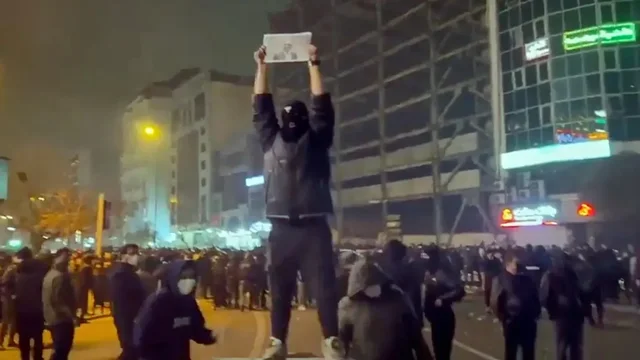
Anti-government protests continue in Iran for the 14th consecutive night. However, as of last night, only a limited number of images and videos have been released to a global audience.
Iran has been under a near-total internet blackout for more than two days, dramatically limiting Iranian citizens' ability to communicate with the outside world and leaving much of what is happening inside the country shrouded in uncertainty.
“Human beings are members of a whole, in the creation of a single essence and soul. If one member suffers from pain, the other members will remain unsettled. If you have no sympathy for human pain, you cannot bear the name of man.” -Saadi Shirazi, 13th-century Persian poet
Since last night, only a limited number of images and videos have filtered out to a global audience. However, these fragments suggest that, despite the lockdown, the protesters’ resolve remains. Moreover, observers say the power outage has intensified the sense of urgency, as well as heightened the risks on the ground.
In several videos that circulated before the connection was cut, a slogan repeatedly appeared:
"We are no longer afraid. We will fight."
Many Iranians stress that the sense of struggle did not arise overnight, but rather is the product of 47 years of oppression, humiliation, economic hardship and the silencing of dissent. Supporters of the protests argue that this is the voice of a generation that has long been silenced, which now seeks to reclaim its dignity and the right to a future, and that the world must listen.
Analysts note that such moments, when communication is cut off, have historically been among the most dangerous. When images, direct evidence, and independent verification disappear, authorities face less public scrutiny.
What happens in the next few hours may determine:
• if the protests continue to spread or if they are suppressed violently,
• regardless of whether security forces are withdrawn or fully mobilized,
• whether international attention acts as a deterrent, or whether its absence enables escalation.
Observers say the focus is not on predicting how events will end, but on recognizing critical turning points. Past experiences in Iran suggest that periods of enforced silence have often gone hand in hand with sharp escalations of violence.
Creativity as a form of resistance and challenge
Despite the power outage, Iranians have used creative expression as a form of resistance against oppression and censorship.
Symbolic acts of resistance include:
• the use of a white dove as a symbol of Iran's freedom,
• heqja e emblemës së Republikës Islamike nga flamuri iranian, duke e zëvendësuar atë me simbolin e vjetër të Luanit dhe Diellit,
• dhe homazhe të fuqishme vizuale të frymëzuara nga një burrë i cili, në ditën e parë të protestave, u ul i paarmatosur në tokë përballë forcave të sigurisë.
Një imazh, në veçanti, pati një jehonë të thellë. Nga një kënd tjetër i kamerës, një turmë mund të shihet e ulur pas tij – dhe pastaj, pothuajse në mënyrë të pabesueshme, oficerët e sigurisë ulen gjithashtu, duke u ulur në të njëjtin nivel.
Imazhi mund të duket surreal, veçanërisht në dritën e një deklarate zyrtare të lëshuar nga ushtria që riafirmon besnikërinë e saj ushtarake ndaj Udhëheqësit Suprem. Por kështu dukeshin edhe shumë nga zhvillimet e ditëve të fundit.
Jo shumë kohë më parë, ajo që po ndodh tani do të dukej e paimagjinueshme. Megjithatë, u bë realitet.
Forcat e sigurisë: a do të qëndrojnë të bashkuara apo do të përçahen?
Një pyetje kyçe që mbetet është nëse protestat e vazhdueshme mund të krijojnë përçarje brenda forcave të sigurisë, duke bërë që disa ushtarë të marrin anën e publikut.
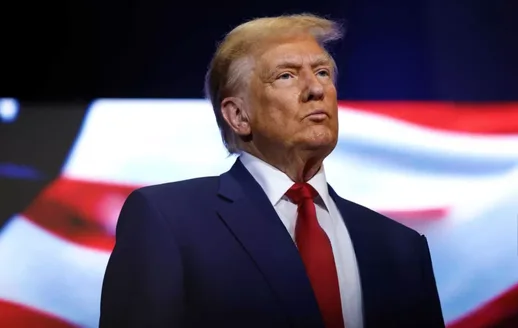
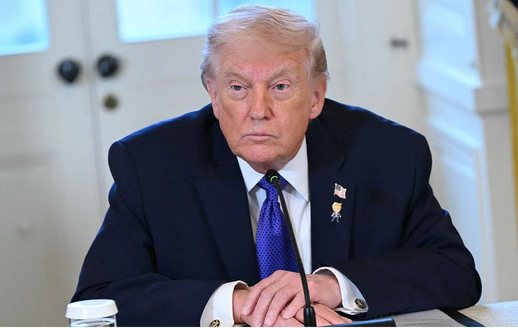
Komentet e bëra nga Presidenti i SHBA-së Donald Trump duke lavdëruar protestuesit në qytete të tilla si Mashhad, vendlindja e Liderit Suprem të Iranit, së bashku me pretendimet për tërheqjen e forcave të sigurisë, kanë nxitur spekulime. Konfirmimi i pavarur mbetet i kufizuar, por analistët vërejnë se vështirësitë ekonomike prekin ushtarët dhe familjet e tyre po aq sa edhe civilët.
Në të njëjtën kohë, të tjerë paralajmërojnë kundër përfundimeve të parakohshme. Disa besojnë se Korpusi i Gardës Revolucionare Islamike (IRGC) mund të vendosë që vetëm një ndërhyrje në shkallë të plotë mund të rivendosë kontrollin, madje edhe me rrezikun e një tendosjeje më të thellë të brendshme.
“Nuk ka ende asnjë shenjë të qartë të një ndryshimi vendimtar në ekuilibrin e pushtetit”, tha një analist rajonal. “Sistemi mund të zgjedhë shtypjen e zgjatur në vend të kolapsit, edhe nëse kjo çon në paqëndrueshmëri afatgjatë”.
Duke shtuar shqetësimet, raportet e paverifikuara zbuluan përfshirjen e forcave të ndërmjetësuara nga Irani, përfshirë anëtarë të Forcave të Mobilizimit Popullor të Irakut (Hashd al-Shaabi), në përpjekjet për të shtypur protestat.
Ndërsa pretendime të tilla janë të vështira për t’u verifikuar në kushte të mungesës së energjisë elektrike, analistët vërejnë se përdorimi i forcave jo-kombëtare ka precedent historik. Shpesh përdoret si një mënyrë për të zvogëluar hezitimin kur autoritetet ngurrojnë t’u urdhërojnë qytetarëve të qëllojnë mbi popullin e tyre.
Reza Pahlavi dhe një “ndryshim në strategji”
Një faktor tjetër kyç që formëson realitetin aktual të Iranit është reagimi i paprecedentë publik ndaj një thirrjeje të bërë nga Reza Pahlavi, Princi i Kurorës dhe djali i monarkut të fundit të Iranit.
Pas demonstratave masive, ai u ka kërkuar iranianëve të qëndrojnë në rrugë, duke e përcaktuar qartë qëllimin si pushtimin dhe mbajtjen nën kontroll të qendrave të qyteteve.
At the same time, he urged Trump to be prepared to take action in support of the Iranian people. He has also called on key economic sectors, particularly oil and energy, to participate in nationwide strikes, a move that mirrors a strategy used during the final months of his father's rule in 1979.
For many Iranians, this strategy carries deep historical resonance. In 1978-79, strikes in strategic industries played a critical role in weakening the state. Whether a similar approach could succeed in today’s security conditions remains unclear, but analysts say the call itself signals a belief that the situation has reached a crucial stage.
In today's political culture, many activists argue that silence is not neutral. It is often interpreted as tacit acceptance of the status quo and, therefore, oppression.
For this reason, protesters insist on the importance of international reactions and emphasize that these cannot be limited to statements of concern. Instead, they argue that visibility, pressure and concrete measures are more important.
They warn that what is happening in Iran will not remain confined within its borders. It will affect regional stability, migration patterns, global energy markets and the credibility of the values that many Western governments claim to uphold. As the poet Saadi wrote centuries ago, human suffering is indivisible./ Euronews.com
Happening now...


The end of the commercial leader, Rama!
Nga Irena Beqiraj
ideas


top

Alfa recipes


TRENDING 



services
- POLICE129
- STREET POLICE126
- AMBULANCE112
- FIREFIGHTER128