


FLASH NEWS
Who controls Gaza? Anti-Hamas groups grow, enclaves under shadow of conflict

2025-12-10 23:15:13 / BOTA
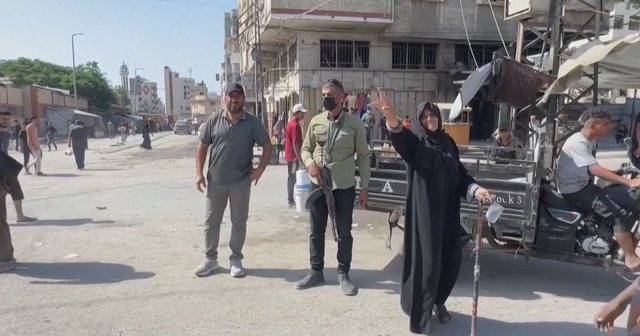
Groups operating in Israeli-controlled areas of Gaza say they will continue to fight Hamas, despite the killing of their most prominent commander.
They are talking about more recruits since the October ceasefire as they aim for a role in the future of the enclave. The emergence of these groups, although they remain small and localized, has increased pressure on the Islamist Hamas and could complicate efforts to stabilize and unify Gaza, divided and devastated by two years of war, writes A2.
Prime Minister Benjamin Netanyahu acknowledged Israeli support for anti-Hamas groups in June, saying Israel had “activated” the clans, although he has not provided further details since. Last week, the man considered at the center of efforts to create anti-Hamas forces, Yasser Abu Shabab, was killed in the Rafah area of southern Gaza.
His group, the Popular Forces, said he died mediating a family dispute, without saying who killed him. His deputy, Ghassan Duhine, took the lead and vowed to continue on the same path: “From the grave of Yasser Abu Shabab, we convey our message to Hamas and its followers. We will continue this journey. Yasser’s death will not affect us, on the contrary, it will strengthen and unite us. God willing, the march will continue and Hamas will end.”
Hussam Alastal, who leads another anti-Hamas faction based in the Khan Younis area, said he and Duhine had “agreed that the fight against terror will continue” during a visit to the Abu Shabab grave in the Rafah area. Speaking to Reuters in November, he said his group had received weapons, money and other support from “international friends” whom he declined to identify. Alastal denied receiving Israeli military support, but admitted to contacts with Israel to “coordinate the entry of food and all the resources we need to survive.”
Alastal claims his group has added recruits since the ceasefire and now has several hundred members, including fighters and civilians: “The situation is better after the ceasefire, because Hamas claimed that we were a militia or a gang that collaborated with the Israeli army during the war. Today we say no, we are not a militia. We are a military force present on the ground. We are not a militia, we are the administration. We came here today and the people saw us. We did not leave with the army and we did not return with tanks. We are present for the people, to build the new Gaza.”
Hamas, i cili ka kontrolluar Gazën që nga viti 2007 dhe deri më tani ka refuzuar të çarmatoset sipas planit të armëpushimit, i ka cilësuar këto grupe si bashkëpunëtorë të Izraelit, një pikëpamje që analistët palestinezë thonë se ndahet gjerësisht nga publiku. Ai u vu shpejt në lëvizje kundër palestinezëve që sfiduan kontrollin e tij pasi hyri në fuqi armëpushimi i mbështetur nga SHBA, duke vrarë me dhjetëra njerëz, përfshirë disa që akuzonte se punonin me Izraelin.
Zëdhënësi i Hamasit, Hazem Qassem, tha se forcat e sigurisë do të ndjekin bashkëpunëtorët e Izraelit “derisa ky fenomen të çrrënjoset”: “Këto grupe janë të izoluara në nivel kombëtar, shoqëror dhe fraksional, madje edhe klanet e tyre i kanë mohuar ato. Forcat e rezistencës dhe shërbimet e sigurisë të lidhura me to dhe me autoritetin qeverisës kanë të drejtë të vazhdojnë t'i ndjekin dhe t'i eliminojnë, pasi ata konsiderohen bashkëpunëtorë me pushtuesin që kanë kryer tradhti të lartë. Në çdo marrëveshje të ardhshme, ata me siguri nuk do të kenë vend, sepse marrëveshjet e ardhshme në Rripin e Gazës do të jenë tërësisht kombëtare”.
Pothuajse të gjithë 2 milionë banorët e Gazës jetojnë në zona të mbajtura nga Hamasi, ku grupi po rivendos kontrollin e tij dhe ku katër burime të Hamasit thanë se ai vazhdon të komandojë mijëra luftëtarë, pavarësisht goditjeve të rënda gjatë luftës. Por, Izraeli ende mban më shumë se gjysmën e Gazës – zona ku kundërshtarët e Hamasit operojnë përtej arritjes së tij. Me planin e Presidentit Donald Trump për Gazën që ecën ngadalë, nuk ka perspektivë të menjëhershme për tërheqje të mëtejshme izraelite.
Tre burime të sigurisë dhe ushtrisë egjiptiane thanë se grupet e mbështetura nga Izraeli kishin rritur aktivitetet e tyre që nga armëpushimi, duke vlerësuar se tani kishin 1 000 luftëtarë, me 400 të shtuar që prej armëpushimit. Egjipti, i cili kufizohet me Gazën, ka qenë i përfshirë ngushtë në negociatat për konfliktin. Burimet prisnin që grupet të rrisnin më tej aktivitetet në mungesë të një marrëveshjeje gjithëpërfshirëse për të ardhmen e Gazës. Një diplomat që foli në kushte anonimiteti tha se grupet anti-Hamas nuk kishin asnjë bazë popullore, por shtoi se shfaqja e tyre ngrinte shqetësime për stabilitetin e enklavës, duke rritur rreziqet e konfliktit mes palestinezëve.
Eksperti Ghassan Al-Khatib tha: “Ndjesia në publik është se ajo që ka ndodhur nuk po na afron më shumë me objektivat tona për t'i dhënë fund pushtimit. Përkundrazi, po i sjell një çmim edhe më të lartë këtij pushtimi. Kjo është arsyeja pse ka pasur një rënie në mbështetjen publike për Hamasin në Bregun Perëndimor, por më shumë në Gaza”.
Ghassan al-Khatib, a lecturer in international studies at Birzeit University in the occupied West Bank, further adds that although Hamas's popularity had declined due to the costs of the war in Gaza, anti-Hamas groups had no future because they were seen by Palestinians as collaborators: "I don't think there is any serious future for these new groups that are linked to the Israeli occupation in Gaza. The reason is that the public is not accepting them at all. They are not acceptable to the public because of their collaboration and interaction with the Israeli occupation."
In addition to disarming Hamas, Trump's plan calls for the creation of a transitional authority, the deployment of a multinational force, and the reconstruction of Gaza. But uncertainty over the next steps threatens a de facto division between an Israeli-controlled interior, where few people now remain, and another area along the coast filled with displaced people, much of it a ruin.
During a tour of Gaza on December 7, the Israeli army chief, Lieutenant General Eyal Zamir, said that Israel had “control over large parts of the Gaza Strip and that they would stand within these defensive lines.”
"The Yellow Line is a new border line — serving as a front line of defense for our communities and a line of operational activity," he said.
In October, US Vice President JD Vance and Trump’s son-in-law, Jared Kushner, said reconstruction funds could flow into the Israeli-controlled area without waiting for the next phase of the plan, with the idea of creating areas to house Gazans. Rafah is one of the first sites that US officials have identified for such housing structures, described as “Alternative Safe Communities,” although no timeline has been set, according to two Israeli officials and three Western diplomats involved in planning for Gaza after the war.
The United States claims it has had no official contact with anti-Hamas groups, and that it is not providing any funding or support. “We will not choose winners or losers in Gaza,” an official told Reuters. According to him, beyond the fact that Hamas will have no future role, who will govern Gaza will be decided by the citizens of Gaza themselves./ A2 Television
Happening now...











Karmën nuk e ndalon dot Sali Berisha!
Nga Bato Kosova
ideas

Lapaj's chair protest and the Helmeted Philosopher!
Edmond Xhini

Why did 35 opposition MPs sign in favor of Endri Shabani as People's Advocate?
Nga Kreshnik Spahiu

The chains we put on ourselves!
Nga Arian Galdini
top



Alfa recipes




TRENDING 




services
- POLICE129
- STREET POLICE126
- AMBULANCE112
- FIREFIGHTER128