


FLASH NEWS
US, Trump tightens rules for tourists, before entry they must submit 5 years of social media history

2025-12-10 21:25:07 / BOTA
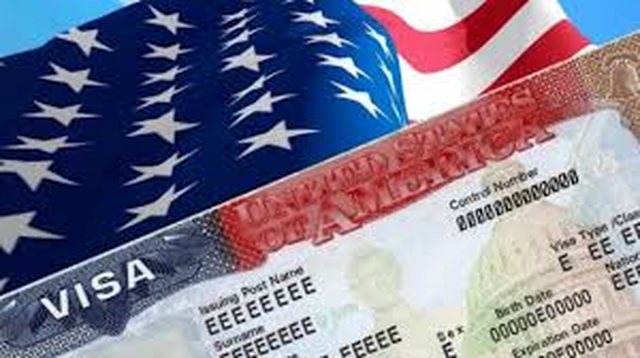
Tourists from dozens of countries, including the United Kingdom, could be required to provide a five-year social media history as a condition of entry to the United States, according to a new proposal unveiled by US officials.
The new requirement will affect people from dozens of countries who are eligible to visit the US for 90 days without a visa, as long as they have completed an Electronic System for Travel Authorization (ESTA) form.
Since returning to the White House in January, President Donald Trump has taken steps to strengthen U.S. borders overall — citing national security as a primary reason.
Analysts say the new plan could pose a barrier to potential visitors or harm their digital rights.
The United States is expecting a large influx of foreign tourists next year, as it will host the men's soccer World Cup alongside Canada and Mexico, as well as the 2028 Olympic Games in Los Angeles.
The proposal document was submitted by Customs and Border Protection (CBP) and the Department of Homeland Security (DHS), of which the agency is a part.
US media reported that this appeared in the Federal Register, which is the official journal of the US government. The BBC has asked the DHS for comment.
The proposal states that “the data element will require ESTA applicants to provide their social media data from the past 5 years,” without providing further details on what specific information will be required.
The existing ESTA requires a relatively limited amount of information from travelers, as well as a one-time fee of $40 (£30). It is available to citizens of around 40 countries – including the UK, Ireland, France, Australia and Japan – and allows them to visit the US multiple times over a two-year period.
In addition to collecting information from social media, the new document proposes collecting an applicant's phone numbers and email addresses used over the past five and 10 years, respectively, as well as more information about their family members.
The text cites an executive order from Trump in January, titled "Protecting the United States from Foreign Terrorist Attacks and Other Threats to National Security and Public Safety."
Happening now...







Karmën nuk e ndalon dot Sali Berisha!
Nga Bato Kosova
ideas

Lapaj's chair protest and the Helmeted Philosopher!
Edmond Xhini

Why did 35 opposition MPs sign in favor of Endri Shabani as People's Advocate?
Nga Kreshnik Spahiu

The chains we put on ourselves!
Nga Arian Galdini
top



Alfa recipes




TRENDING 




services
- POLICE129
- STREET POLICE126
- AMBULANCE112
- FIREFIGHTER128