


FLASH NEWS
From Mugabe to Maduro/ US rules to allow entry into the US without removing "Non Grata"

2026-06-11 12:58:38 / POLITIKË
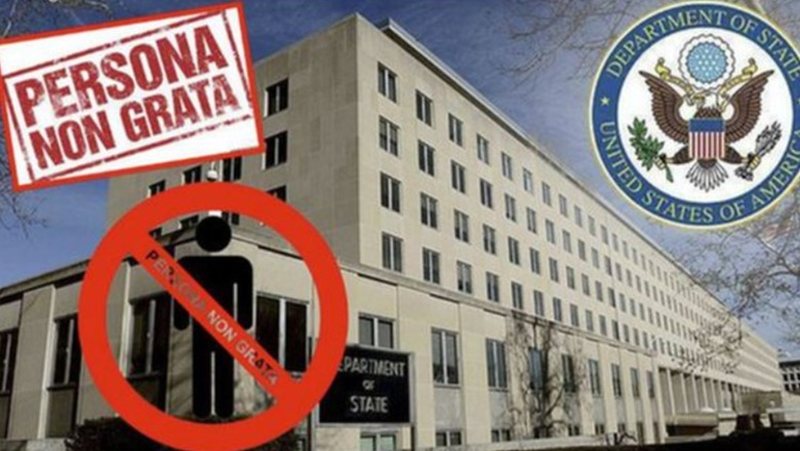
The medical visa is not the abolition of the "non-woman". But are two different things deliberately confused?
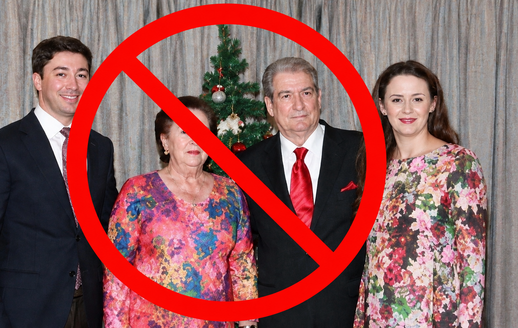
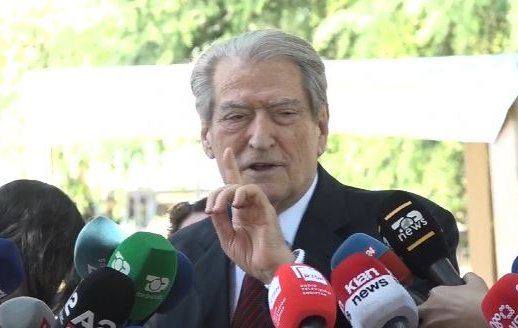
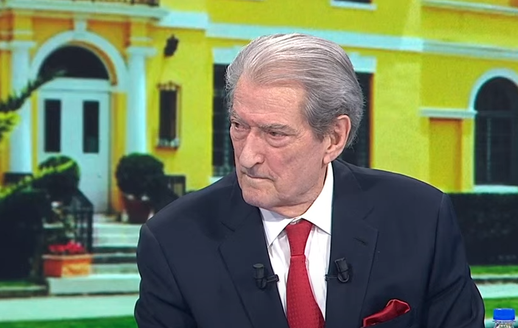
The US State Department has not revoked the designation of Sali Berisha as "non grata", a fact that remains unchanged despite the contrary claims that have dominated the Albanian political debate in recent hours. According to the official website of the State Department, the designation dated May 19, 2021, announced by former Secretary Antony Blinken, continues to be active and part of the official US record.
The debate has highlighted a widely used confusion: the claim that granting a visa automatically means lifting the “non grata” status. This claim is incorrect, both from a legal perspective and from the practice of the US government itself.
Essentially, we are dealing with two completely different decisions. On the one hand, there is the public designation under Section 7031(c) of the US law, a measure that the State Department uses against individuals involved in significant corruption or serious human rights violations. This designation is a political and diplomatic sanction, announced publicly and with concrete consequences.
On the other hand, there are special exceptions known as waivers that can be granted in limited humanitarian, medical, diplomatic, or when there is a significant U.S. national interest. The fact that a person can obtain permission for a particular trip does not mean that the sanction has been lifted.
An analogy clarifies this distinction. If a person has a court-imposed restriction but obtains special permission to perform a specific act, this does not overturn the underlying court order. The restriction continues. The permission is simply a limited exception.
History provides concrete examples. Leaders like Robert Mugabe of Zimbabwe and Nicolás Maduro of Venezuela — both under U.S. sanctions — have entered U.S. territory to attend United Nations events in New York. This has happened not because the sanctions have been lifted, but because the U.S., as host country of the UN, has international obligations that require the issuance of limited visas in certain cases. The sanctions remained in place the next day.
So the real question is not whether someone can get a visa. The question is whether or not the designation that made them inadmissible in the first place has been removed.
As of this writing, there has been no public announcement from the U.S. State Department indicating that Berisha’s designation has been revoked. The recent State Department statement that “exceptions are routinely granted for certain individuals when it is in the national interest” is the language of a waiver, not of lifting the sanction. The distinction is not a legal technicality. It determines whether the U.S. officially considers Berisha a politically rehabilitated person or not, and the answer today remains no.
Until the State Department makes a statement about the removal of Sali Berisha from the 731(c) sanctions, he and his family remain on US sanctions list for Grand Corruption and Undermining Democracy. /Alfapress.al
Happening now...


Protest microphone
Nga Poli Hoxha
ideas
top



Alfa recipes
TRENDING 



services
- POLICE129
- STREET POLICE126
- AMBULANCE112
- FIREFIGHTER128