


FLASH NEWS
BIRN: Rama's clash with justice destroys illusions about democracy in Albania

2026-03-25 08:32:29 / POLITIKË
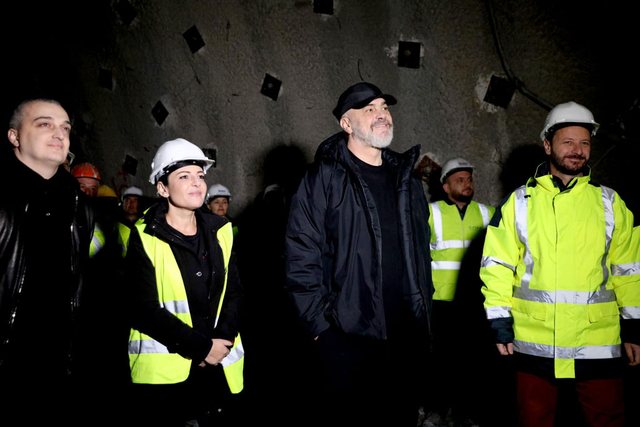
The prime minister's moves to protect his deputy from arrest seem like the beginning of the end of an era for Albanians' hopes that those in power would finally be held accountable.
Created in 2019, during the second mandate of Edi Rama's Socialist Party, under the auspices of the international community, it had one goal - to fight the chronic corruption affecting the highest levels of Albania's government.
Its mission, in popular terms, was to catch and bring to justice the "big fish." And it did so, on a level that most Albanians would not have imagined.
Politicians previously considered "untouchable," including former presidents and prime ministers, ministers and deputy prime ministers, important mayors, and members of parliament from the ruling Socialist Party, were accused and arrested. SPAK became, without a doubt, the most popular institution in Albania.
It seemed as if Albania had finally entered a true era of the fight against corruption. Even the ruling Socialist Party and its leader, Edi Rama, were offering strong public support for SPAK, which had uncovered disturbing levels of corruption and state capture at the highest levels of his government.
That is until SPAK began investigating and filing charges against Belinda Balluku, Minister of Infrastructure and Energy, Deputy Prime Minister, Rama's right-hand man and closest associate. In her case, Rama made a 180-degree turn, fighting SPAK at every turn.
When SPAK suspended Balluk from her ministerial post after accusing her of procedural violations and favoritism in major public tender processes, Rama refused to enforce the decision. Instead, he asked the Constitutional Court to rule on whether SPAK's decision was constitutional or not. This was widely seen as a move to keep Balluk in office despite SPAK's concerns that she could use her position to obstruct the investigative process, as well as public calls for her to resign.
Balluk's Ministry of Infrastructure and Energy had long been embroiled in scandals that led to the arrest of her close associates. Numerous WhatsApp messages published in the media, the authenticity of which was not disputed by either her or the government, suggested that she had interfered in the awarding of public tenders - although she denies any wrongdoing.
However, Rama insisted that she remain in office until the Constitutional Court rendered its decision.
Socialist majority blocks arrest
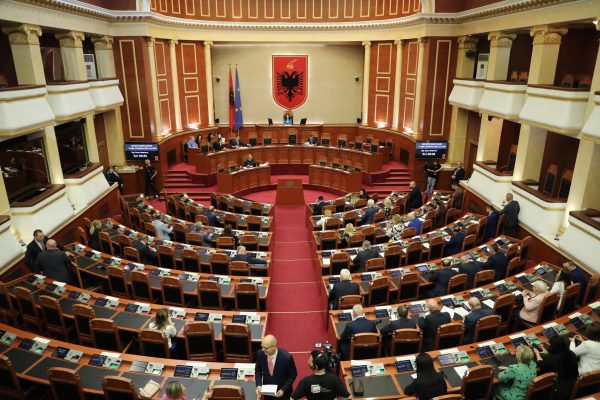
Më 12 mars, shumica socialiste në parlament refuzoi, siç pritej, të hiqte imunitetin e Ballukut, duke bllokuar arrestimin e saj.
Ky vendim shënoi një rast të qartë të përdorimit të pushtetit politik për të mbrojtur zyrtarë të lartë të akuzuar për korrupsion. Ishte pikërisht fenomeni për të cilin SPAK-u ishte krijuar për ta kapërcyer, nën këmbënguljen, udhëzimin dhe monitorimin ndërkombëtar.
Nuk është çudi që ky ndryshim qëndrimi nga ana e Ramës shkaktoi zhgënjim dhe skepticizëm të madh jo vetëm në Shqipëri, por edhe brenda institucioneve ndërkombëtare, si Delegacioni i BE-së në Shqipëri dhe ambasada të ndryshme evropiane, të cilat kritikuan vendimin e tij për të refuzuar kërkesën e SPAK-ut për heqjen e imunitetit parlamentar të Ballukut.
Nga ana e tij, Rama e paraqiti këtë vendim si një mosmarrëveshje normale institucionale midis sistemit të drejtësisë, të përfaqësuar nga SPAK-u, dhe parlamentit si një institucion sovran që ushtron të drejtën e tij themelore kushtetuese.
Parlamenti është një trup sovran, jo një vulë formale e SPAK-ut, deklaruan Rama dhe zëdhënësit e tij, duke marrë rolin e mbrojtësve të sovranitetit parlamentar.
Megjithatë, sado tërheqëse të tingëllojë kjo retorikë, ajo nuk i përshtatet një kryeministri që tashmë e ka kthyer shumicën parlamentare socialiste në një vulë personale të tij. Fjalët për sovranitet parlamentar tingëllojnë jo bindëse kur vijnë nga një njeri që de facto e ka shndërruar parlamentin në një zgjatim të vullnetit të tij personal.
Argumentet e Ramës kundër heqjes së imunitetit të Ballukut nuk kanë bindur as disa nga mbështetësit e tij në media. Deputetët socialistë nuk kanë ofruar asnjë argument politik se pse arrestimi i saj do të dëmtonte integritetin dhe autonominë e parlamentit. Nuk janë ngritur akuza ndaj SPAK-ut se kërkesa për arrestimin e Ballukut ishte e motivuar politikisht apo antikushtetuese.
Në vend të kësaj, grupi parlamentar socialist ofroi një mbrojtje si avokat për Ballukun, duke sfiduar provat e paraqitura në çështjen e saj dhe atë që e quajti disproporcionalitet midis akuzave për shkelje administrative dhe vendimit të SPAK-ut për arrestimin e saj. Kjo e vendosi Ramën në një pozitë paradoksale, si gjykatës dhe njëkohësisht palë në këtë çështje.
By concluding that Balluku's arrest was unjustified, given the evidence and accusations raised by SPAK, Rama and his parliamentary group assumed the attributes of a judge, while simultaneously being the defendant's most vocal defenders.
Such a persistent defense of Balluk, despite the major scandals related to her ministry – and in contrast to Rama's behavior in other similar cases – has raised suspicions that, more than parliamentary principles, Rama was defending Balluk as a person, if not himself.
These suspicions are strengthened by the fact that Balluk's alleged violations, if proven, could have the potential to bring down the prime minister himself.
SPAK ban undermines accountability

Rama's decision, and that of his subordinate parliamentary group, to ban SPAK in the country, does not bode well for either Albania's democratization or the EU integration process.
Albanian democracy has now been emptied of any democratic substance, such as representation, political choice, or participation. As a result, democracy has become almost synonymous with the fight against corruption and the rule of law.
Rama's government may have offered little in terms of participation, transparency, and representation, as he weakened the Socialist Party and centralized power, but an illusion of democracy was nevertheless created through the political accountability that came from SPAK.
This illusion is now disintegrating, both for Albanians and for the EU institutions that monitor the country. In the bleak Albanian political reality, where a discredited opposition led by a permanent leader faces a government steeped in corruption, led by a permanent prime minister, SPAK and its successes against corruption were a ray of hope.
The European Union has relied heavily on the success of the campaign against high-level corruption in Albania, led by SPAK, as an example of the consolidation of the rule of law in the country. SPAK's successes opened a narrow path that seemed to legitimize Albania's integration into the EU.
The EU may have been able to ignore other democratic failures under the Rama government - the weakening of the role of parliament, the concentration of all executive powers, local and central, in the hands of the prime minister, the lack of transparency in governance, and even the "capture" of the state by private and criminal interests - by focusing on SPAK's successes in the fight against corruption.
If these successes come to an end, Albania's democratic failures will become so great that even the EU itself will no longer be able to ignore them./ BIRN
Happening now...









ideas
Saliu's horse, Ed's taggia
Nga Adrian Thano
Italy/ Investigations, laws and poisons, the eternal clash between politics and justice
Nga Giovanni Bianconi

This PD doesn't know how to value life or death anymore!
Nga Fitim Zekthi
top

Alfa recipes

TRENDING 




services
- POLICE129
- STREET POLICE126
- AMBULANCE112
- FIREFIGHTER128