


FLASH NEWS
CEC announces final results but does not approve the composition of the Serbian List, the party and Belgrade react

2026-01-31 18:47:14 / KOSOVA
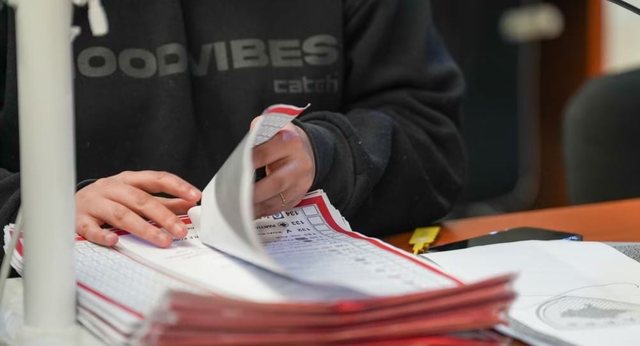
The Central Election Commission (CEC) announced on Saturday the final results of the December 28 snap parliamentary elections in Kosovo.
CEC members approved the candidate lists of all parties except the Serbian List, the largest Serb party in Kosovo. Three members voted in favor, two against from the Vetevendosje Movement, and the remaining members abstained.
According to Srpska Lista official Igor Simić, the CEC's decision is shameful. Even Serbia's Foreign Minister Marko Đurić has strongly condemned the institution's decision.
The Chairman of the CEC, Kreshnik Radoniqi, said that the parties have the right to appeal the result within 48 hours to the Electoral Complaints and Appeals Panel (ECAP).
Eugen Cakolli from the Kosovo Democratic Institute (KDI) said in a Facebook post that the CEC committed violations, initially by announcing results before the legal deadline for complaints had expired, and then by announcing "partial" results.
"What happened today is absurd. Any member who voted against or abstained, if they had real doubts about the results, was the one who should have complained. The situation is not resolved by political voting within the CEC nor by blocking or allowing results according to the interests of the moment. But, knowing what the legal epilogue would be from a potential complaint to the ECAP or the Supreme Court, some chose to postpone yet another episode of this meaningless political show," Cakolli said.
Radoniqi addressed the issue of complaints at the meeting, saying that, in his opinion, the deadline for complaints has already passed because the votes have been recounted, therefore complaints are not provided for by law after such a process, while he himself described the non-approval of the composition of the Serbian List by other members of the CEC as meaningless.
Srpska Lista's reaction
Igor Simić from Srpska Lista said that Saturday's decision points out "that the regime of acting Prime Minister Albin Kurti is trying to prevent members of the Serbian community from electing their representatives."
He indicated that the Serbian List will appeal this "illegal and anti-Serbian" decision.
"With this decision, Kurti wants to annul 42,759 votes of adult Serbs who wanted to clearly show who they want in the institutions and who they consider worthy of fighting for their rights and representing them within the institutions. The Central Election Commission has lost the epithet of an independent institution," Simić said in a statement to the media.
He expressed confidence that election observers will react to what he called a violation of the rights of the Serbian people and a threat to the electoral process.
Gjuriq: Vendimi i KQZ-së, sulm ndaj të drejtave politike të serbëve
Ministri i Punëve të Jashtme i Serbisë, Marko Gjuriq ka thënë se vendimi i KQZ-së përfaqëson një tjetër sulm serioz ndaj të drejtave të popullit serb në Kosovë.
“Në vend të shtensionimit dhe rikthimit të besimit, ne jemi dëshmitarë të hapave të rinj që thellojnë mosbesimin dhe konfirmojnë se heqja sistematike e të drejtës së votës së serbëve mbetet praktikë dhe jo përjashtim”, ka shkruar Gjuriq në rrjetin X – dikur Twitter.
Ai ka thënë se është në veçanti i shqetësuar pse ky vendim është marrë në kohën kur Bashkimi Evropian ka nisur t’i largojë masat ndëshkuese kundër Kosovës.
Më 2023, BE-ja pati vendosur masa ndëshkuese ndaj Kosovës, duke konsideruar se autoritetet Kosovare nuk kishin bërë mjaftueshëm për t’i ulur tensionet në veriun e banuar me shumicë serbe.
Gjuriq ka thënë se Serbia do të vazhdojë të insistojë bashkë me partnerët ndërkombëtarë që të ketë respektim të së drejtës politike dhe elektorale të popullit serb.
Rezultatet e partive
Sipas të dhënave të KQZ-së, Lëvizja Vetëvendosje i ka fituar 51.10 për qind të votave, apo 57 ulëse në Kuvendin e Kosovës, Partia Demokratike e Kosovës, 20.19 për qind të votave apo 22 ulëse, Lidhja Demokratike e Kosovës, 13.24 për qind të votave apo 15 ulëse, dhe Aleanca për Ardhmërinë e Kosovës, 5.50 për qind të votave apo gjashtë ulëse.
Nga ulëset e rezervuara për minoritetin serb, nëntë ulëse i ka fituar Lista Serbe dhe një ulëse, Partia për Liri, Drejtësi dhe Mbijetesë.
Emrat e kandidatëve që fituan ulëse në Kuvend
Nga Lëvizja Vetëvendosje:
Albin Kurti, Glauk Konjufca, Albulena Haxhiu, Hekuran Murati, Donika Gërvalla – Scharz, Xhelal Sveçla, Hajrullah Çeko, Avni Dehari, Mimoza Kusari – Lila, Ejup Maqedonci, Shqipe Mehmeti – Selimi, Andin Hoti, Arben Vitia, Saranda Bogujevci, Edona Llalloshi, Alban Bajrami, Mefail Bajqinovci, Nezir Kraki, Armend Muja, Adriana Matoshi, Rufki Suma, Jeta Statovci, Ardian Gola, Haxhi Avdyli, Blerim Gashi, Adelina Grainca, Albena Reshitaj, Fatos Geci, Agim Bahtiri, Fitore Pacolli – Dalipi, Artane Rizvanolli – Berisha, Taulant Kelmendi, Dimal Basha, Labinotë Demi – Murtezi, Arbëreshë Kryeziu – Hyseni, Arbër Rexhaj, Arjeta Fejzaj, Hysen Durmishi, Artan Abrashi, Arbërie Nagavci, Enver Haliti, Liza Gashi, Adnan Rrustemi, Valon Ramadani, Jeton Raka, Drita Pajaziti, Fatmire Kollqaku, Rozeta Hajdari, Arsim Ademi, Salih Zyba, Fitim Haziri, Fjolla Ujkani, Ilir Kërçeli, Sylejmani Meholli, Vigan Qorolli, Naim Bardiqi dhe Valon Hoti.
Nga Partia Demokratike e Kosovës:
Bedri Hamza, Arian Tahiri, Përparim Gruda, Uran Ismaili, Sala Jashari, Vlora Çitaku, Arben Mustafa, Enver Hoxhaj, Rrahman Rama, Nait Hasani, Eman Rrahmani, Ganimete Musliu, Elmi Reçica, Artan Behrami, Kujtim Gashi, Xhavit Haliti, Besa Kabashi – Ramaj, Mërgim Lushtaku, Ferat Shala, Arbnore Salihu, Blerta Deliu – Kodra, Ariana Musliu- Shoshi.
Nga Lidhja Demokratike e Kosovës:
Lumir Abdixhiku, Hykmete Bajrami, Ukë Rugova, Avdullah Hoti, Doarsa Kica- Xhelili, Kujtim Shala, Anton Quni, Armend Zemaj, Lutfi Haziri, Jehona Lushaku- Sadriu, Janina Ymeri, Besian Mustafa, Adelina Thaçi – Meta, Fadil Hadërgjonaj dhe Ermal Sadiku.
Nga Aleanca për Ardhmërinë e Kosovës:
Ramush Haradinaj, Daut Haradinaj, Besnik Tahiri, Bekë Berisha, Albana Bytyçi dhe Time Kadrijaj
Nga Lista Serbe:
Sllavko Simiq, Igor Simiq, Liljana Stefanoviq, Millan Kostiq, Nemanja Bishevac, Zllatan Ellek, Milljana Nikolliq, Serxhan Popoviq dhe Verica Çernaniq.
Nga Partia për Liri, Drejtësi dhe Mbijetesë:
Për disa zyrtarë shtetërorë, ky ka qenë “procesi më i komprometuar zgjedhor” në Kosovë, pasi vendi është lavdëruar shpesh nga organizata vendore dhe ndërkombëtare për organizim të proceseve zgjedhore të drejta dhe transparente.
Pse ndodhën këtë herë manipulimet?
Agon Maliqi, njohës i çështjeve politike, i ka thënë Radios Evropa e Lirë më herët gjatë javës se mund të ketë ndikuar edhe mënyra e ndryshimit të votimit.
Në proceset e fundit zgjedhore, qytetarët kanë mundur të zgjedhin deri në dhjetë kandidatë për deputetë, nga pesë sa kanë qenë më parë.
Të tjerë e kanë përmendur faktin që ka pasur më pak vëzhgues, pas numërimi fillestar është kryer në ditët e festave të fundvitit.
Për Maliqin dhe njohës tjerë të kësaj fushe, manipulime të tilla kanë ndodhur edhe në të kaluarën. Disa besojnë se ato mund të jenë kryer me miratimin e udhëheqësive partiake, disa jo.
Zyrtarë partiakë të Lëvizjes Vetëvendosje, Partisë Demokratike të Kosovës, Lidhjes Demokratike të Kosovës dhe Aleancës për Ardhmërinë e Kosovës i kanë dënuar dyshimet për manipulime dhe kanë kërkuar që përgjegjësit të mos amnistohen.
Sipas Kodit Penal të Republikës së Kosovës, çdo manipulim i qëllimshëm i votës apo rezultatit zgjedhor përbën vepër penale dhe dënohet me deri në pesë vjet burgim.
Pas certifikimit të rezultateve, hapet rruga për formim të institucioneve të reja.
Kryeministri në detyrë i Kosovës, Albin Kurti me partinë e tij, Lëvizjen Vetëvendosje pritet ta formojë pa probleme Qeverinë e re.
Ergyl Mazrek, Fatma Taçi, Rasim Demiri, Emilja Rexhepi, Elbert Krasniqi, Duda Balje, Veton Berisha, Artan Asllani, Adem Hoxha dhe Erxhan Galushi.
Dhjetë ulëse për minoritetin serb dhe dhjetë tjera për minoritetin joserb janë të rezervuara me Kushtetutë në Kuvendin me 120 ulëse në total.
KQZ-ja i ka publikuar këto rezultate pasi e ka përfunduar të premten në mbrëmje procesin e rinumërimit të votave.
The recount was conducted following suspicions of vote manipulation by parliamentary candidates.
Throughout the process, votes for some candidates changed – in some cases by up to 6,000 for an individual – while those for parties were not affected.
Law enforcement authorities have interviewed hundreds of people, detained dozens, and are continuing their investigations.
For some state officials, this has been the "most compromised electoral process" in Kosovo, as the country has often been praised by local and international organizations for organizing fair and transparent electoral processes.
Why did the manipulations happen this time?
Agon Maliqi, a political expert, told Radio Free Europe/Radio Liberty earlier this week that the way the voting was changed may have also played a role.
In recent electoral processes, citizens have been able to elect up to ten candidates for deputies, up from five previously.
Others have mentioned the fact that there were fewer observers, after the initial count was conducted during the year-end holidays.
For Maliqi and other experts in the field, such manipulations have happened in the past. Some believe they may have been carried out with the approval of party leadership, others not.
Party officials from the Vetëvendosje Movement, the Democratic Party of Kosovo, the Democratic League of Kosovo, and the Alliance for the Future of Kosovo have condemned the suspicions of manipulation and have demanded that those responsible not be amnestied.
According to the Criminal Code of the Republic of Kosovo, any intentional manipulation of the vote or election result constitutes a criminal offense and is punishable by up to five years in prison.
After the certification of the results, the way is opened for the formation of new institutions.
The acting Prime Minister of Kosovo, Albin Kurti, with his party, the Vetevendosje Movement, is expected to form the new government without any problems.
However, he himself admitted the day before that a new relationship will need to be created between the government and the opposition on other major issues, such as the position of the president or the approval of international agreements.
For both processes, two-thirds of the votes must be secured./REL
Happening now...





Rama dhe Berisha “rrëzohen” nga rasti Dodik
Nga Bato Kosova
ideas

The great loneliness of the West and liberal democracy
Nga The Economist

Corruption money is buying political time.
Nga Taulanda Jupi
top




TRENDING 




services
- POLICE129
- STREET POLICE126
- AMBULANCE112
- FIREFIGHTER128