


FLASH NEWS
The Epstein File: Power Without Light and Elites Without Responsibility

2026-02-07 22:26:35 / IDE
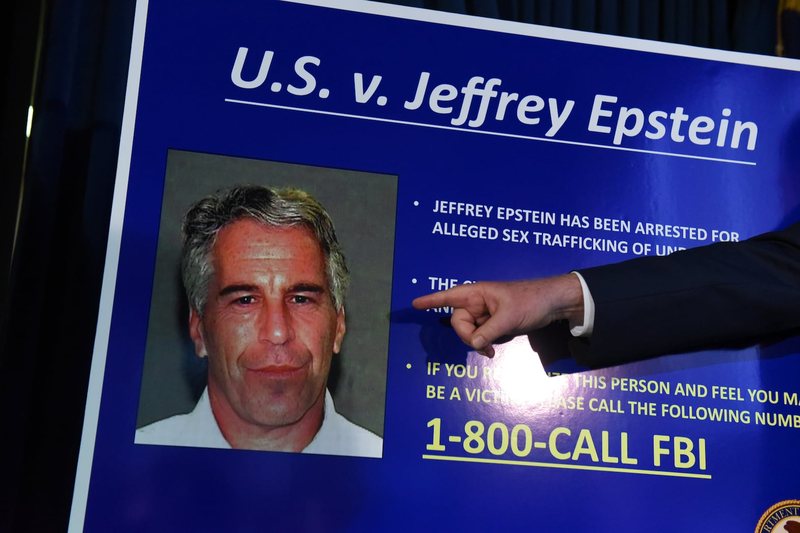
The Epstein case was initially presented as a global sex scandal. In reality, it is something much deeper and more disturbing: A brutal reflection on how power functions when it is freed from moral and institutional accountability.
The case of Jeffrey Epstein is not a story about sex, but about power that uses the body as currency and shame as an instrument of control. He did not become a central figure because he was extraordinary, but because he was useful. Useful for producing secrets, building addictions, and creating spaces where power could operate away from the light and away from the law.
These spaces — corridors, islands, private residences — are not mere metaphors. They are real places where power sheds its public mask and operates anonymously. There the individual is not asked who he is, because identity would bring responsibility. There is only the body, because the body is bought, used, and silenced. We are not dealing with personal lust, but with a ritual of power: Sex not as intimacy, but as proof of dominance.
In this sense, the Epstein dossier speaks of an elite that constantly seeks primitive confirmation of its power. Not through ideas, nor through moral authority, but through the subjugation of the other. And this is precisely where the political danger arises: A power built on secrets and shame is a power that can be blackmailed, and therefore fragile and dangerous.
The institutional response to the disclosure of the files was as significant as the crimes themselves. Millions of pages of documents, numerous redactions, debates over what to publish and what to keep hidden. Transparency was treated like a film montage: Enough to be called a disclosure, but not enough to do justice. The system was not shaken; it administered the blow.
This highlights an uncomfortable truth: Modern government does not fall from scandals. On the contrary, it is built to withstand them. Scandal serves as a test of resilience, not a real threat. How much noise will the public make? How long will the indignation last? Then everything returns to normal.
The irony is that public discourse continues to revolve around principles, strategies, and alliances, while many of those who talk about them have fallen for the oldest trap in history: Sex as power. Not sex as human relationship, but as a commodity and a test of strength. A way of saying: I rule, therefore I am.
The mechanism is universal. When the law weakens, compromise strengthens. When moral authority fades, shame becomes a tool of rule. And where power operates without light, there will always be rooms without windows.
The Epstein dossier doesn't reveal that powerful people are corruptible — that's long been known. It tells us something more dangerous: That political and institutional systems have become accustomed to living with this fact without reform. Not crime, but its normalization is the real problem.
A system that is no longer scandalized by itself is a system that has lost the ability to fix itself. And that is precisely why the Epstein dossier remains relevant: Not for what was seen, but for what the authorities still manage to keep in the dark.
Happening now...














ideas

Renaissance is Disaster Capitalism
Nga Klodian Tomorri

Pse tifozeria e Kosovës ishte aq e vdekur dhe mungonin simbolet kuqezi?
Nga Kreshnik Spahiu

top



Alfa recipes



TRENDING 




services
- POLICE129
- STREET POLICE126
- AMBULANCE112
- FIREFIGHTER128