


FLASH NEWS
Middle East Conflict/Is the US naval blockade of Iran working?

2026-04-24 20:19:48 / BOTA
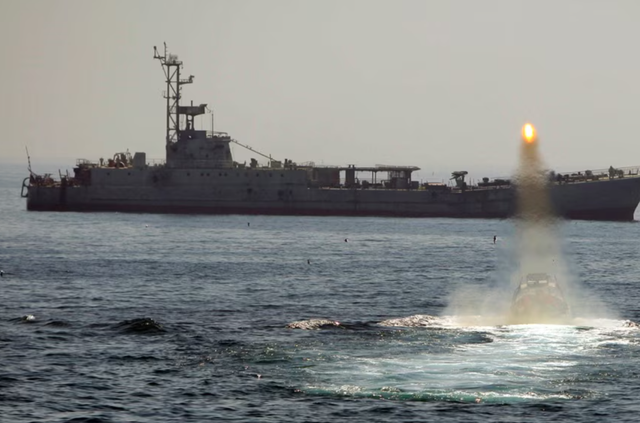
To pressure Iran into accepting a peace deal, the United States imposed a naval blockade on the Middle Eastern country's ports and ships on April 13.
While the blockade has increased pressure on Iran's already battered economy, it has so far failed to force Tehran to make concessions to end the war that began about two months ago, experts say.
Iran is refusing to sit at the negotiating table without lifting the US naval blockade, which aims to cut off Tehran's lucrative oil revenues.
Washington has insisted that the blockade will only end when a peace agreement is signed.
This US blockade came in response to Iran's decision to close the Strait of Hormuz, a vital route for global energy supplies and international maritime transport, and has been in effect since the start of the war on February 28.
This action has shocked international markets, upended the global economy and given Tehran new leverage in the war.
"If the main goal of the blockade is to stop maritime traffic to and from Iran, and above all the flow of Iranian oil exports, then the blockade has been successful," said Nader Itayim, an expert on Middle East energy.
"But if Washington expects the blockade to quickly put Iran in a position where it has no choice but to negotiate, then it may be disappointed," added Itayim, who works at UK-based Argus Media.
The “clear decline” in Iranian oil exports
Iran was exporting about 1.8 million barrels of oil per day in March. But that figure has fallen sharply in recent days, returning to a "minimal flow" as the effects of the blockade have grown, Itayim said.
However, he said the Islamic republic should be able to withstand the blockade for another two months, noting that up to 130 million barrels of Iranian oil were at sea before the blockade took effect.
To enforce the blockade, the US Navy attacked and seized an Iranian ship on April 19 in the Gulf of Oman. Two days later, the US military seized another ship, a tanker suspected of smuggling oil, in the Indian Ocean.
US forces have also "ordered 31 ships to turn back or return" to Iranian ports as part of the blockade, according to US Central Command.
US President Donald Trump has declared the blockade a "tremendous success" and reiterated that he will not lift the embargo until a "final deal" is reached with Iran.
The US military has claimed to have "completely stopped" Iranian trade.
Megjithatë, dhjetëra cisterna të lidhura me Iranin kanë arritur ta anashkalojnë bllokadën, sipas grupit për vëzhgimin e ngarkesave, Vortexa.
Vortexa tha se të paktën 34 cisterna të lidhura me Iranin e kanë shmangur bllokadën, duke shtuar se rreth 10.7 milionë fuçi naftë iraniane kanë kaluar përmes Ngushticës së Hormuzit dhe kanë dalë nga zona e bllokuar nga marina amerikane midis 13 dhe 21 prillit.
Ushtria amerikane i hodhi poshtë këto të dhëna. Kompania e të dhënave detare, Lloyd’s List, tha se të paktën 26 anije të flotës “në hije” të Iranit e kanë kaluar bllokadën.
“Lloyd’s List Intelligence tregon një rrjedhë të qëndrueshme të trafikut të flotës në hije brenda dhe jashtë” Gjirit Persik, tha ajo më 20 prill.
“Krahasuar me numrin e anijeve që kalonin para bllokadës – rreth gjashtë ose shtatë anije në ditë – tani numri është qartazi më i ulët”, tha Rosemary Kelanic, drejtoreshë e Programit për Lindjen e Mesme në Defense Priorities, një institut kërkimor në Uashington.
“Por. problemi më i madh për SHBA-në është se nuk ka mënyrë për ta bërë një bllokadë ndaj një vendi kontinental plotësisht hermetike. Irani prapëseprapë mund të zhvillojë tregti të konsiderueshme përmes tokës, përfshirë naftën, megjithëse në sasi më të vogla sesa përmes detit”, shtoi ajo.
Trump ka pretenduar se bllokada po i kushton Iranit rreth 500 milionë dollarë në ditë. Por, ekspertët thonë se është e vështirë llogaritja e kostove.
Vlerësimet tregojnë se Irani merrte rreth 45 miliardë dollarë të ardhura vjetore nga eksportet e naftës para luftës, që përbënin rreth 10 për qind të PBB-së së vendit.
“Edhe nëse bllokada e ndërpret të gjithë tregtinë e naftës – gjë që nuk do të ndodhë – dëmi maksimal mund të jetë një humbje prej 10 për qind të PBB-së”, tha Kelanic. “Kjo është një humbje e madhe në kohë paqeje, por jo aq e rëndë duke pasur parasysh se Irani është në luftë”.
Sa për krahasim, Ukraina ka humbur 20 për qind të PBB-së së saj pas pushtimit të plotë nga Rusia në vitin 2022, tha ajo. Kjo nuk i ka ndalur forcat ukrainase ta luftojnë Rusinë po thuajse kokë më kokë.
“Prandaj, jam skeptike që kostot e vendosura nga bllokada e Trumpit do ta thyejnë vendosmërinë e Iranit për të vazhduar rezistencën ndaj kërkesave të SHBA-së”, tha Kelanic.
“Irani mund ta rinisë luftën”
Fushata e bombardimeve nga Shtetet e Bashkuara dhe Izraeli i ka shkaktuar humbje të mëdha materiale Iranit, duke shkatërruar ushtrinë e tij, duke shfarosur një pjesë të madhe të udhëheqjes dhe duke shkatërruar infrastrukturë kritike.
Megjithatë, Teherani ende beson se po e fiton përballjen që ka zgjatur disa javë. Ky perceptim i fitores është pasqyruar edhe në tryezën e bisedimeve, ku synon t’i japë fund luftës sipas kushteve të veta.
Rundi i parë i bisedimeve për paqe në Pakistan përfundoi më 11 prill pa marrëveshje. Megjithatë, Trump e zgjati në mënyrë të njëanshme armëpushimin që pritej të skadonte më 22 prill, dhe palët janë në bisedime të tërthorta për ta zhvilluar një rund të dytë negociatash në Islamabad.
"Economic pressure alone will not push Iran towards concessions that it has not already made under military pressure," said Hamidreza Azizi, a researcher at the German Institute for International and Security Affairs.
"If anything happens, Iran could restart the war," he added. "Iran sees this situation without war and without peace as the most devastating scenario."
Iran is already under severe US sanctions, and the blockade has further limited the country's economic resources. It has also prevented Iran from imposing tariffs on international shipping through the Strait of Hormuz, another source of revenue since the start of the war.
Iran fired on three ships and seized two of them in the Strait of Hormuz on April 22, suggesting that Tehran is prepared to use force to end the US blockade.
"This situation is not acceptable to the Islamic republic," Azizi said. "As a result, I would expect them to act militarily."/REL
Happening now...











ideas



top



Alfa recipes








services
- POLICE129
- STREET POLICE126
- AMBULANCE112
- FIREFIGHTER128