


FLASH NEWS
Dependence on foreign food products increases, imports increase by 16% in January-April

2026-06-01 08:20:57 / EKONOMI&SOCIALE
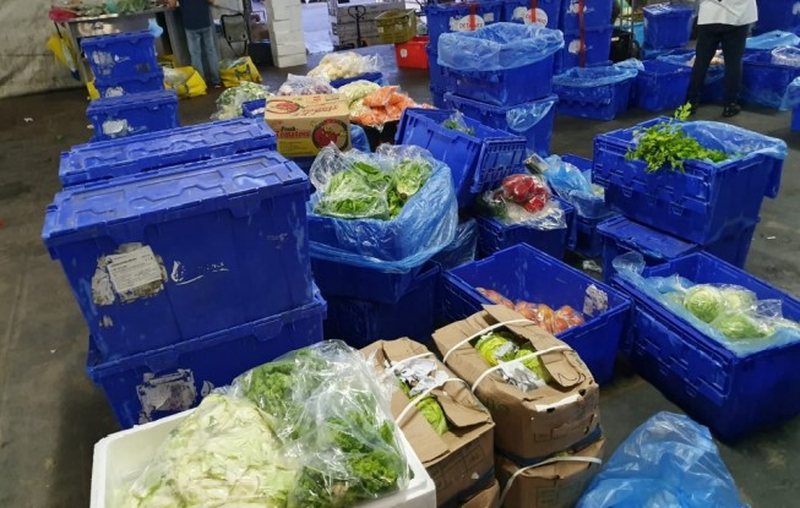
Food items experienced a significant increase in imports for the first 4 months of 2026, including those goods that Albania has all the capacity and climatic conditions to produce itself.
According to official data from INSTAT, the total amount of food imports increased by 16.1% in January-April 2026 compared to the same period last year.
The biggest concern is related to the fact that we are failing to meet our needs with domestic production for basic basket and agricultural products, at a time when the increase in the number of tourists should have been a great opportunity to boost domestic production.
Specifically, the import of vegetables has increased by 14.0%, followed by edible fruits and nuts which have increased by 11.0%. Similarly, an increase of 10.0% has been recorded in the import of dairy products, eggs and honey.
This trend shows that instead of consuming fresh produce from Albanian farmers, domestic consumers' money is going to finance agriculture in other countries, devaluing the country's production potential.
Beyond fresh produce, the expansion of imports is even more rapid in other sectors of the food and agricultural industry. The largest record growth has been recorded in oilseeds and industrial or medicinal plants, whose imports have jumped by 140.3%.
Grain imports have also increased by 30.3%. Adi Haxhiymeri, one of the largest grain importers, said that purchases abroad were boosted after the war in Iran due to fears of possible blockades and price increases.
In this overall growth picture, only a limited number of categories have recorded a decline in imports. Fish and shellfish fell by 13.9%. Sugars and confectionery also suffered smaller declines by 7.8%, as did the coffee, tea and spices group by 1.7%.
The increase in vegetable and fruit imports at these levels proves that domestic producers are losing ground to foreign competition, which is often well-subsidized.
On the other hand, our farmers face high raw material costs, where oil, chemical fertilizers, seedlings and other agricultural inputs are often more expensive than in countries in the region. This makes the final price of the domestic product higher than that of products coming from abroad, favoring imports over domestic production.
Also, the massive emigration of young people and the movement to large cities has emptied rural areas. This aging population in the countryside has led to a significant shortage of labor for agriculture, increasing wage costs for the remaining workers and shrinking cultivated areas.
Over the past few years, the extraordinary strengthening of the lek against the euro has made imported goods much cheaper to buy in the Albanian market. This factor has directly favored traders who import from abroad, while at the same time hitting domestic exporters and manufacturers who compete with these imports./Monitor
Happening now...















Attacks on Dumani and Berisha's silence on Ilir Shtufi
Nga Bato Kosova
ideas

The Alliance of Seals and Towers, facing the New Republic
Nga Azgan Haklaj

The beginning of the end of power in Albania...
Nga Veton Surroi

The ridiculous coherence of the opposition!
Nga Alfapress.al
top



Alfa recipes


TRENDING 




services
- POLICE129
- STREET POLICE126
- AMBULANCE112
- FIREFIGHTER128