


FLASH NEWS
REL Analysis: Are frozen Russian assets Europe's weapon to secure a place in the Ukraine talks?

2025-12-02 08:52:23 / BOTA
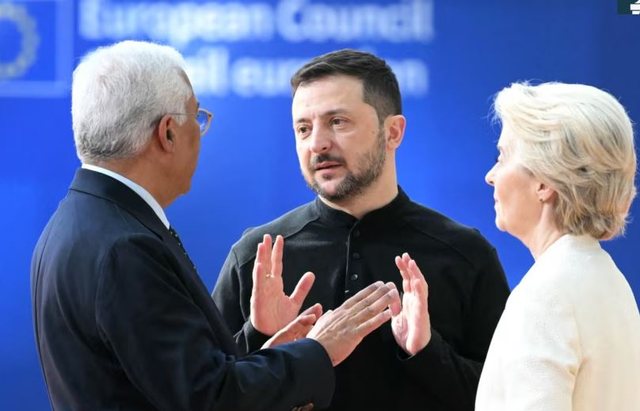
If there is any way European Union officials think they can participate in talks to resolve the war in Ukraine, it is through the 176 billion euros in frozen Russian assets being held within the bloc and how they can be used politically and economically.
Last month, the EU was sidelined when the United States presented a peace plan, which was then "elaborated" when American and Ukrainian diplomats met in Geneva a few days later.
European officials, speaking to Radio Free Europe (RFE/RL) on condition of anonymity, say they have managed to remove some of the text's initial ideas that directly relate to Ukraine's membership in the EU and NATO.
But Europe has a "golden ticket" in hand that could secure it a seat at the negotiating table: financing for Ukraine.
Pledge- ing to "cover Ukraine's financial needs for 2026 and 2027," European Commission President Ursula von der Leyen recently gave member states three options to provide around 140 billion euros to Kiev over the next two years.
With the United States reluctant to provide additional money for Ukraine, the EU's willingness to intervene has become crucial for Kiev as the full-scale Russian occupation nears four years.
Von der Leyen told the European Parliament on November 26 that she could "not see any scenario where European taxpayers would foot the bill alone" for Ukraine and that she was ready to present the legal text for the reparations loan.
Providing support for a compensation loan
According to REL's sources, the European Commission is now working on no less than 11 legal acts related to the loan, and that EU capitals are very angry as they have not yet seen concrete details of how the plan will work.
A European Commission official told REL that the original idea was to first secure political support for the reparations loan when EU leaders gather at a summit in Brussels on December 18.
The details would be resolved early next year to enable the money to start flowing to Kiev by the second quarter of 2026.
There is also a fear that national diplomats and lawyers could get bogged down in the details and hinder the chances of reaching an agreement if legal acts are presented too early.
Belgium, which hosts the financial markets company Euroclear where most Russian bonds are frozen, wants to see adequate guarantees from other EU member states as it expects legal retaliation from Moscow.
Marrja përsipër e kërkesave për 140 miliardë euro nga Rusia – një shumë që është një e treta e PBB-së vjetore të Belgjikës – do të ishte katastrofë për vendin.
Në një letër drejtuar von der Leyenit, të cilën e ka parë REL-i, kryeministri belg Bart De Wever përsëri shprehu shqetësimet e tij.
“Ndërsa kam të gjithë simpatinë për argumentin që taksapaguesi evropian nuk duhet të jetë i vetmi që mbulon financimin e Ukrainës, realiteti brutal ligjor është se asnjëherë në histori asetet e palëvizshme sovrane nuk janë ‘ripërdorur’ një lufte”, shkroi ai.
“Këto asete kanë qenë objekt i vendimeve gjatë zgjidhjeve pas luftës, zakonisht në kontekstin e dëmshpërblimeve të luftës nga pala humbëse”.
Megjithatë, Komisioni Evropian beson ende se një marrëveshje mund të arrihet në dhjetor nëse mjaft shtete anëtare të BE-së ofrojnë garanci ligjërisht të detyrueshme për të mbështetur huan e dëmshpërblimeve bazuar në të ardhurat e tyre kombëtare bruto (GNI).
Kjo do të thotë se vendet më të vogla – dhe më skeptike – si Hungaria dhe Sllovakia mund të zgjedhin të mos marrin pjesë pasi pjesa e tyre totale e GNI-së së BE-së është minimale.
Por, vendet e tjera më të pasura dhe më të mëdha evropiane duhet të zotohen për ta ndarë marren e kostove. Dhe, Brukseli shpreson që edhe vendet e tjera të G7-ës, që nuk janë pjesë e BE-së, të kontribuojnë gjithashtu.
“Nëse Këshilli Evropian do të thirrej për të vendosur mbi një skemë huaje për dëmshpërblime në takimin e tij të ardhshëm, kjo do të ishte e mundur vetëm në bazë të mbulimit të plotë dhe të saktë të të gjitha shqetësimeve të shprehura më sipër”, shkroi De Wever në fund të letrës së tij për Von der Leyen.
“Kjo përfshin një garanci të plotë nga shtetet e gatshme që ia mundëson Euroclearit të mbajë likuiditetin e aseteve për shumën e tyre totale”.
Por, belgët nuk janë pengesa e vetme që duhet tejkaluar.
Ekziston gjithashtu “këndi amerikan”, siç e quajnë disa zyrtarë të BE-së.
Plani fillestar amerikan 28-pikësh për paqen përmendte se “100 miliardë dollarë të aseteve të ngrira ruse do të investohen në përpjekjet e udhëhequra nga SHBA për rindërtimin dhe investimin në Ukrainë” dhe se “SHBA-ja do të marrë 50 për qind të fitimeve nga ky projekt”.
Ky formulim shqetësoi vërtet politikanët dhe diplomatët evropianë, veçanërisht pasi ata kishin parashikuar që paratë e dhëna Ukrainës në formën e një huaje për dëmshpërblime do të përdoren nga Kiev për të blerë armë të prodhuara në Evropë.
Zyrtarët e BE-së thonë se shumica e pjesëve të propozimit origjinal amerikan janë dobësuar ose janë hequr plotësisht, por ata pranojnë se çdo dokument përfundimtar mund të ndryshojë ndjeshëm dhe ata nuk kanë qasje në diskutimet e fundit mbi formulimin.
While the EU would like the reparations loan to be a European project, most diplomats agree that it is essential that Washington is involved, and happy. That could mean being open to the idea of the United States receiving a share of the funds or, at the very least, Ukraine using the money to buy American weapons.
However, Brussels must also ensure that the United States will continue to pressure Hungary to accept the extension of EU sanctions, which include freezing Russian assets, every six months.
In July, when it came time to continue the measures, Hungary did not threaten a veto, and this was largely thanks to American pressure.
Brussels hopes the United States will play the same role when the time comes for sanctions to be renewed again in January.
Happening now...





Karmën nuk e ndalon dot Sali Berisha!
Nga Bato Kosova
ideas

"Topple" Edi Rama by lying to yourself...
Nga Patrik Sadikaj


Only accepting Berisha's truths will save the DP from final extinction!
Nga Neritan Vladi
top




TRENDING 




services
- POLICE129
- STREET POLICE126
- AMBULANCE112
- FIREFIGHTER128