


FLASH NEWS
The protests will not change the political balance, but they point to systemic problems with Albania's democracy.

2026-04-01 19:34:41 / POLITIKË
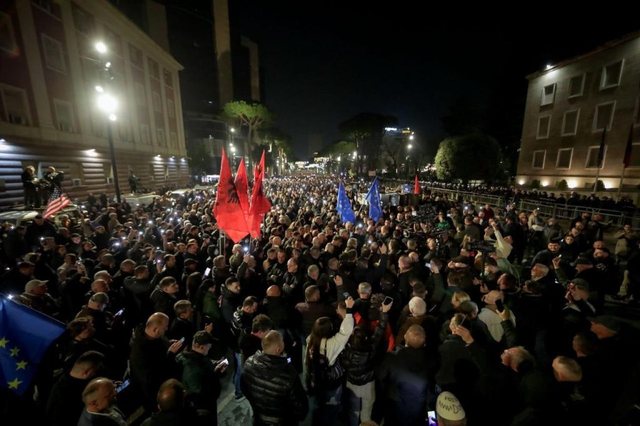
The current wave of protests in Albania, which erupted in December 2025, is largely caused by dissatisfaction with systemic corruption and demands for the resignation of Prime Minister Edi Rama's government.
The government has been heavily criticized for its efforts to limit the work of the Special Structure against Corruption and Organized Crime (SPAK), particularly after parliament refused to lift the immunity of Belinda Balluku, former Deputy Prime Minister and Minister of Infrastructure, to allow her arrest. Balluku is accused of rigging public tenders and misusing funds.
During the protest that took place on March 30, in the square in front of the Prime Minister's Office, the leader of the Democratic Party (DP), Sali Berisha, accused Rama of protecting personal interests and those of his associates, including Belinda Balluku.
"In fact, he is protecting himself, he is protecting his family, he is protecting hundreds of millions and billions of funds stolen from Albanian taxpayers and placed in his accounts around the world," Berisha declared.
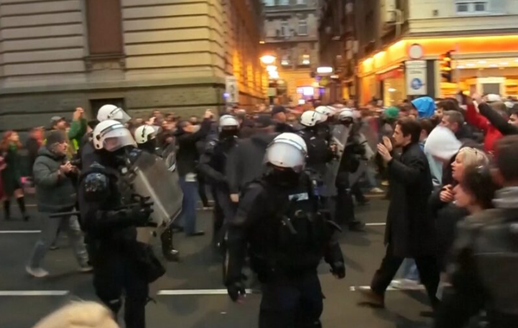
Despite the fact that these protests often end in clashes with the police, the use of tear gas, water cannons and Molotov cocktails, as happened on March 23, analysts tell EWB that Albania is not yet in a deep political crisis.
“The opposition protest could succeed in drawing attention in Western capitals and the media, especially in Paris, Berlin and Brussels, to allegations of corruption within the Rama government, as well as to the gap between the domestic reality in Albania and Prime Minister Rama’s carefully curated image abroad.
"It could also contribute to increasing public pressure on the government. However, it is unlikely to pose a serious threat to its strong parliamentary majority," emphasizes Professor Afrim Krasniqi, executive director of the Institute of Political Studies (IPS).
According to Blerjana Bino, co-founder and executive director of the Center for Science and Innovation for Development (SCiDEV) in Tirana, “what we are seeing is best described as a chronic state of political polarization, which over time can become as damaging as an immediate crisis.”
“We have seen similar cycles before: protests that create visibility and short-term momentum, but that ultimately do not change political outcomes. These protests, while important, have not yet reached the scale or social inclusion of a broad citizen mobilization that would fundamentally change the political balance. However, they should not be underestimated. They signal a continuing dissatisfaction with governance, accountability, and the perceived lack of consequences for those in power ,” says Bino.
Në mënyrë të ngjashme, Franziska Tschinderle, gazetare e huaj me bazë në Tiranë, vëren se këto lloj protestash nuk janë të reja në Shqipëri.
“PD ka vite që i bën thirrje mbështetësve të saj të dalin në rrugë, duke akuzuar qeverinë Rama për abuzim me detyrën dhe korrupsion. Ajo që është e re këtë herë është fakti se drejtësia ka ngritur akuza ndaj anëtarëve të nivelit të lartë të qeverisë Rama, ndër ta një nga gratë më të fuqishme në vend, Belinda Balluku. Ironia është se vetë Rama e ka krijuar këtë institucion (SPAK) që tani po ndjek penalisht rrethin e tij të afërt”, thotë ajo.
A mund ta detyrojë opozita Ramën të japë dorëheqjen?
Opozita, e udhëhequr nga Partia Demokratike, e akuzon Ramën për “kapje të shtetit” dhe kërkon krijimin e një qeverie teknike për të përgatitur vendin për zgjedhje të parakohshme.
Nga ana tjetër, Rama ka iniciuar ndryshime në Kodin e Procedurës Penale (neni 242) për të parandaluar pezullimin e zyrtarëve të lartë, përfshirë anëtarët e kabinetit dhe Kryeministrin, gjatë hetimeve. Këto ndryshime synojnë të mbrojnë degën ekzekutive nga masat e pezullimit gjyqësor, duke ngritur shqetësime për balancën e pushteteve dhe pavarësinë e drejtësisë.
Gjithashtu, në fund të shkurtit 2026, Kryeministri realizoi një riorganizim të madh të qeverisë dhe shkarkoi shtatë ministra, përfshirë Belinda Ballukun.
Blerjana Bino thekson se protestat aktuale nuk kanë gjasa të çojnë në dorëheqjen e Ramës.
“Megjithëse ato pasqyrojnë frustrim real publik, veçanërisht për akuzat e korrupsionit ndaj zyrtarëve të lartë, opozita mbetet e fragmentuar si politikisht ashtu edhe organizativisht. Ajo nuk ka treguar ende nivelin e kohezionit, besueshmërisë apo mobilizimit të qëndrueshëm të nevojshëm për ta kthyer pakënaqësinë publike në presion politik vendimtar”, thekson ajo.
Ajo shton se ekziston një perceptim i përhapur publik: nëse Rama largohet, Berisha rikthehet, dhe të dy lidhen në perceptimin publik, në mënyra dhe kohë të ndryshme, me korrupsionin. Kjo simetri mosbesimi kufizon ndjeshëm aftësinë e opozitës për t’u shndërruar në alternativë të besueshme qeverisëse.
Sipas saj, riorganizimi i fundit i kabinetit është një instrument standard për menaxhimin e presionit dhe nuk përbën domosdoshmërisht një krizë të thellë.
“Rreziku nuk është kolapsi, por erozioni gradual demokratik – dhe kjo është në disa mënyra më e rrezikshme”, thotë ajo.
Franziska Tschinderle thekson se këto protesta janë të ndryshme nga ato në Serbi, pasi drejtohen nga PD dhe funksionojnë me një logjikë “nga lart-poshtë”.
Ndërkohë, Afrim Krasniqi thekson se opozita mbetet e dobët, ndër të tjera për shkak se lideri i saj përballet me procese gjyqësore dhe sanksione nga SHBA.
Ai shton se Shqipëria po përjeton një krizë të mbipërqendrimit të pushtetit dhe arrogancës së pushtetit personal, duke vënë në pikëpyetje kapacitetin për reforma reale kundër korrupsionit.
Albania risks consequences from the EU
There are major concerns that corruption scandals and political tensions could harm Albania's progress towards EU membership.
A European Commission spokesperson stressed that the rule of law and the fight against corruption are essential for the accession process, while ensuring the conditions for the functioning of SPAK is key.
According to analysts, SPAK is seen as the most trusted institution in the country and a real factor of pressure on the government, more so than the protests.
The Balluku case could negatively impact the government's image abroad and the progress of negotiations with the EU, especially at a key moment like the IBAR report.
If the government does not change its approach, Albania could face consequences from the EU and increased internal tensions. Conversely, corrective steps and real progress in the investigations could stabilize the situation without high costs.
In conclusion, experts warn that the biggest risk is not stopping the integration process, but creating a gap between reforms on paper and their real implementation in practice./ Translated by Alfapress.al, taken from European Western Balkans
Happening now...



ideas

Rama-Berisha, from statesmen to Chameleons!
Nga Ermal Peçi

The DP, as a Pyramid Firm!
Nga Indrit Vokshi
top


Alfa recipes


TRENDING 




services
- POLICE129
- STREET POLICE126
- AMBULANCE112
- FIREFIGHTER128