


FLASH NEWS
Turmeric, the culinary "gold" with countless health benefits! When to avoid it

2026-02-08 18:35:04 / MISTERE&KURIOZITETE
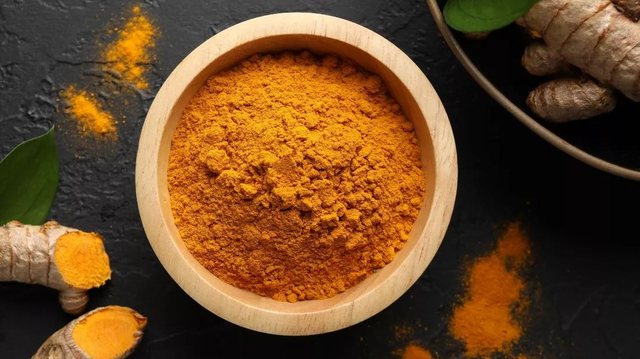
Turmeric has long held a special place on both kitchen and pharmacy shelves. Like garlic and ginger, it is valued not only for its flavor but also as a natural medicine, making it widely included in wellness products.
People have been using turmeric in various forms for more than 4,000 years. For centuries, it has been a mainstay of Ayurvedic and traditional Chinese medicine, which emphasize balance between body, mind, and spirit.
Traditionally used to strengthen joints and bones, relieve digestive problems, and improve skin health, modern science suggests that these ancient practices have a scientific basis.
Why is turmeric so powerful?
Its characteristic color comes from curcumin, the main active ingredient, widely known for its anti-inflammatory and antioxidant properties. Antioxidants help neutralize free radicals, which damage cells and are linked to problems ranging from premature aging to dementia.
However, curcumin is not the only beneficial substance. The root also contains essential oils, known as turmerones, which help reduce inflammation, fight oxidative stress, and protect nerve cells.
How to consume turmeric for maximum benefit
Turmeric can be consumed in many forms: as fresh root, powder, capsules, juice, tea, etc. A traditional recipe that has gained popularity in recent years is haldi doodh (“golden milk”), which combines turmeric with milk and warm spices, such as black pepper.
Black pepper significantly increases the absorption of curcumin: on its own, it is very poorly absorbed by the body, but when combined with piperine, absorption can increase by up to 2,000%.
If you cook with fresh turmeric at home, experts advise avoiding very high temperatures or prolonged boiling, as they reduce antioxidant levels and destroy beneficial essential oils.
Supplements: useful or dangerous?
Turmeric supplements have become very popular in recent years, as they offer convenience and precise dosage, often combined with ginger and black pepper for better absorption. However, doctors warn that in high doses they are not harmless.
Studies have shown a significant increase in cases of liver damage linked to supplements over the past few decades. Taking too much can also cause nausea, gastrointestinal problems, or allergic reactions.
Who should avoid turmeric?
Before including turmeric supplements in your routine, it is essential to consult your doctor. Turmeric can act as a blood thinner, negatively interacting with anticoagulant or antiplatelet medications and increasing the risk of bleeding. It is also not recommended before surgical procedures.
People with gallstones, bile duct obstruction, liver disease, or diabetes should exercise caution, as turmeric may worsen symptoms or affect blood sugar levels. Pregnant and breastfeeding women are advised to avoid supplements.
Happening now...
















ideas


Ilir Meta, this gypsy of Edi Rama!
Nga Gentian Gaba

How to govern the country and lead the opposition... for yourself!
Nga Blendi Kajsiu
top



Alfa recipes



TRENDING 




services
- POLICE129
- STREET POLICE126
- AMBULANCE112
- FIREFIGHTER128