


FLASH NEWS
The ruthless 16th-century espionage network that protected Queen Elizabeth I

2026-03-29 20:29:08 / MISTERE&KURIOZITETE
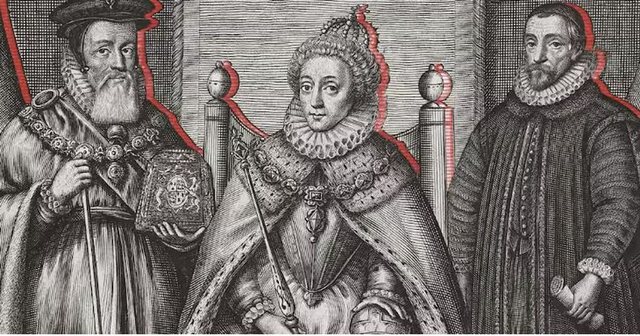
In late 16th-century England, Queen Elizabeth was a Protestant ruler facing constant threats to her life and throne. Real enemies and exaggerated fears created paranoia, and the royal court responded with a secret war.
In what would become England's first major confrontation with espionage, spies and even kidnappers were used to keep the queen safe.
Threats from Spain and Mary, Queen of Scots
Threats to late Tudor England came from both within and without. Decades of hostilities between Spain and England were exacerbated by provocative English policies that allowed privateers to attack Spanish treasure fleets. While the Spanish king Philip II was losing patience with his pirate neighbors, the English had real reason to fear invasion.
In 1588, Spain sent a fleet of 130 ships as part of a plan to invade England. The Spanish Armada ultimately failed, but it increased paranoia about Spanish intervention.
Meanwhile, inside England, Mary, Queen of Scots, Elizabeth’s rival for the throne, was living under house arrest. Some Catholics hoped to overthrow Elizabeth and replace her with Mary. Catholic priests, such as Edmund Campion, were sneaking into England to preach to secret believers. To some they were defenders of the true religion; to Elizabeth, they were secret agents fomenting treason.
Fear and anxiety pervaded the English court. "It's something similar to what the US experienced with communism in the 1950s," says historian Patrick Martin, author of Elizabethan Espionage.
Elizabethan spies in action
The first major covert operation was the kidnapping of John Story in 1570. An English Catholic, Story had fled to the Low Countries, where he was plotting against Elizabeth while working for the Spanish. Sir William Cecil, one of the queen's chief advisors, ordered agents to kidnap him and bring him to England for questioning. Cecil's agents tricked Story into checking their ship, locked him on board, and kidnapped him.
Another of Elizabeth's advisors, Sir Francis Walsingham, built a robust espionage network. A man of extraordinary intelligence and cunning, Walsingham used merchants to gather information from across Europe.
"Merchants were very useful for transporting secret information," says Stephen Alford, professor of early modern British history at the University of Leeds. "They and their agents moved easily around Europe."
Njerëzit e Walsingham-it depërtuan në rrethet katolike brenda dhe jashtë vendit. Letrat e ambasadorëve dhe fisnikëve të huaj kopjoheshin nga agjentët anglezë, ndërsa emrat dhe lëvizjet e rebelëve anglezë regjistroheshin me kujdes.
Kodet zbulojnë komplotin e Babingtonit
Spiunët kishin edhe disa metoda të veçanta. "Përdornin bojëra të padukshme," shpjegon Alford. "Gjithashtu përdornin kode dhe shifra, që sot duken të thjeshta, por që po bëheshin gjithnjë e më të sofistikuara."
Mesazhet shifruara u bënë veçanërisht të rëndësishme gjatë komplotit famëkeq të Babingtonit, kur agjentët e Walsingham-it deshifruan letrat mes Marisë, mbretëreshës së Skocisë, dhe bashkëpunëtorëve të saj. Kjo siguroi prova se Maria po komplotonte kundër Elizabetës, gjë që çoi në gjyqin dhe ekzekutimin e saj.
Zbulimi i komplotit të Babingtonit ishte një sukses dramatik, por jo i vetmi. Disa priftërinj të fshehtë u zbuluan nga një agjent i quajtur George Eliot, i cili ishte infiltruar në familje katolike duke u shtirur si shërbëtor. Ata u arrestuan dhe u gjykuan.
Mes viteve 1593 dhe 1594, agjentët zbuluan një komplot të dyshuar nga vetë mjeku i mbretëreshës, dr. Rodrigo Lopez. Ai kishte qenë në kontakt të fshehtë me oborrin spanjoll dhe u akuzua për planifikimin e vrasjes së Elizabetës. Me kujtimin e freskët të Armadës Spanjolle, shumë njerëz i besuan akuzat. Pavarësisht pretendimeve të tij për pafajësi, Lopez u ekzekutua për tradhti.
Përveç zbulimit të komploteve katolike brenda vendit, rrjeti elizabetian i spiunazhit mblodhi informacione edhe për planet e huaja, përfshirë strategjitë ushtarake e politike dhe identitetet e agjentëve katolikë që përgatiteshin në Romë.
Vdekja e Francis Walsingham-it dhe shpërbërja e rrjetit
Walsingham vdiq në vitin 1590 dhe, pasi nuk ekzistonte një strukturë për ta ruajtur rrjetin e spiunazhit, shumë nga puna e tij humbi. Konti i Essex-it dhe Sër Robert Cecil u përpoqën të zinin vendin e tij si drejtues të spiunazhit, duke përdorur sukseset e tyre për të fituar ndikim në oborr. Por, pa një drejtues të vetëm, agjentët anglezë shpesh nuk bashkëpunonin.
Me kalimin e kohës, Cecil u bë një organizator shumë efektiv i rrjetit të agjentëve përmes sekretariatit të tij. Megjithatë, mungesa e bashkëpunimit mes tij dhe Essex-it bëri që informacionet të humbnin. Spiunët nuk dhanë paralajmërim për armadat e dyta dhe të treta spanjolle dhe, nëse këto flota nuk do të shpërndaheshin nga stuhitë, Anglia do të ishte ekspozuar ndaj sulmit.
Christopher Marlowe, i mbuluar nga misteri
Vetë natyra e spiunazhit do të thotë se provat janë të paplota. Dihet pak për spiunët spanjollë kundër Anglisë, ndërsa mister mbetet edhe roli i mundshëm i dramaturgut të shekullit XVI Christopher Marlowe. Disa pretendojnë se ai ishte spiun i oborrit dhe se kjo çoi në vrasjen e tij në vitin 1593. Por pa prova më të forta, historianët nuk do të jenë kurrë të sigurt.
England's first major experiment with a state-backed spy ring brought down a queen and possibly a playwright, involving kidnappings, executions and murder. The fact that Queen Elizabeth reigned for 44 years, and died in her sleep, is testament to the network's success.
Happening now...











ideas

Saliu's horse, Ed's taggia
Nga Adrian Thano

Italy/ Investigations, laws and poisons, the eternal clash between politics and justice
Nga Giovanni Bianconi
top


Alfa recipes


TRENDING 




services
- POLICE129
- STREET POLICE126
- AMBULANCE112
- FIREFIGHTER128