


FLASH NEWS
REL Analysis/ The risk of the “Bulgarian scenario” for Kosovo

2026-04-29 18:07:29 / KOSOVA
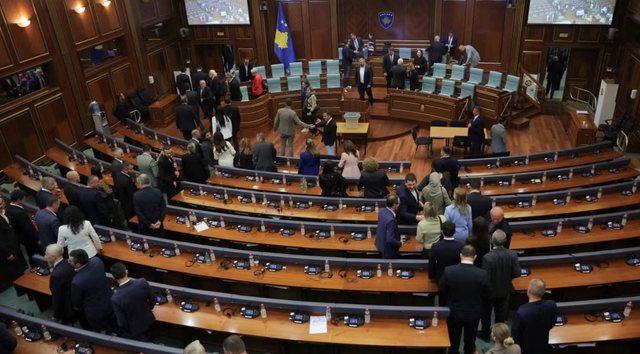
On the day that it was four months since the last parliamentary elections, it was confirmed that Kosovo would go to the polls again.
A quick return to the ballot boxes, not as a result of a political choice, but as a consequence of a crisis that policymakers failed to resolve.
"This is their immaturity, both towards the state and towards the storm of developments that have swept the world," political analyst Ilir Deda told Radio Free Europe.
On June 7th – at the latest – the citizens of Kosovo will go to the polls again in parliamentary elections, for the third time in 16 months.
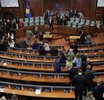
This process became inevitable on April 28, just four months after the December 28 elections, when MPs failed to elect a president, automatically activating the constitutional deadline that takes the country to elections within 45 days.
The ruling party, Vetevendosje Movement, accused the opposition of deliberately boycotting the sessions, while opposition parties blamed the government for a lack of cooperation and for attempts to concentrate power in a single hand.
"In order for Kosovo to have a new president, it must have a new opposition. The opposition is old. This opposition may bring a new face, but its craft and character are old, which is why it is in free fall," declared Prime Minister Albin Kurti, also the leader of the LVV, in the last session of the tenth legislature.
The two main opposition parties, PDK and LDK, welcomed the move to new elections, although, according to the LDK leader, they were imposed by the government, which, with a majority of 51 percent, demanded political "submission".
"Now is the time for the unity of the good people of this country, who want a normal Kosovo, without drama, without propaganda...", Lumir Abdixhiku wrote on Facebook.
A recurring crisis, not a new episode
This situation is not new for Kosovo.
A similar scenario was repeated immediately after the elections of February 9, 2025, when the Assembly remained unconstituted for months and, in the end, the formation of the Government failed.
Even then, responsibility was divided between the parties, with accusations passing from one to the other.
For Deda, the situation is no longer an isolated episode, but a pattern that is taking shape.
He warns that Kosovo is approaching a scenario similar to Bulgaria, which in the last five years has gone through seven consecutive election cycles, without producing institutional stability.
"It was not expected that after the December 28 elections, when the Vetëvendosje Movement won 51 percent of the vote, we would end up in this situation," he says.
In his analysis, the problem lies not with the political system, but with the way it is used.
Kosovo, says Deda, has an advanced institutional framework, but it is becoming an instrument of conflict, rather than serving as a basis for stability.
Përgjegjësinë kryesore, ai ia atribuon partisë më të madhe, e cila, siç thotë, ka pasur mundësi reale për të ndërtuar qëndrueshmëri institucionale.
Deda konsideron se kjo krizë ka qenë lehtë e shmangshme.
“Partitë kanë mundur të diskutojnë se çfarë presidenti duan: një figurë që ka filluar aktivitetin politik që në vitet ’90, duke reflektuar rrugëtimin dhe shtetndërtimin e Kosovës; një figurë të lidhur me UÇK-në, si kundërreagim ndaj procesit në Hagë; apo një figurë që sheh nga e ardhmja”, thotë Deda.
Në vend të kësaj, ai konsideron se debati u shndërrua në një lojë politike për të drejtuar gishtin nga fajtorët dhe për të “fabrikuar alibi” për shmangien e përgjegjësisë.
Deda paralajmëron se, duke qenë në këtë trajektore, Kosova rrezikon të mbetet jashtë zhvillimeve të rëndësishme globale, ndërsa perceptimi për të si shtet i brishtë mund të ketë pasoja afatgjate – si në raport me partnerët ndërkombëtarë, ashtu edhe me besimin qytetar.
“Unë vetëm shpresoj që pas zgjedhjeve të reja të ketë një maturim të politikës dhe forcim të kulturës së konsensusit”, thotë Deda.
Në të kundërtën, sipas tij, cikli i zgjedhjeve mund të mos ndalet.
Mes legjitimitetit dhe “kohës së humbur”
Radio Evropa e Lirë kërkoi koment nga Departamenti amerikan i Shtetit dhe Bashkimi Evropian për dështimin e Kosovës në zgjedhjen e presidentit dhe shkuarjen në zgjedhje të reja, si dhe për pasojat që kjo mund të ketë në stabilitetin politik të vendit, por, deri në publikimin e këtij artikulli, nuk mori përgjigje.
Toby Vogel, analist në Këshillin për Demokratizimin e Politikave në Bruksel, thotë se zgjedhjet e parakohshme mund të shihen si “kohë e humbur”, pasi ka gjasa të prodhojnë një rezultat politik të ngjashëm me atë të mëparshmin.
Megjithatë, ai thekson se ky është një proces i paraparë me Kushtetutë, ndaj është edhe legjitim, edhe demokratik.
“Si një Qeveri e mirëfilltë demokratike, Qeveria Kurti dhe autoritetet tjera, Parlamenti e kështu me radhë, po e ndjekin procedurën kushtetuese”, vlerëson Vogel për Radion Evropa e Lirë.
Nga perspektiva evropiane, ai thotë se BE-ja dhe disa shtete anëtare nuk po tregojnë vullnet politik për ta çuar Kosovën përpara në procesin e integrimit, duke u fshehur pas narrativit të “paqëndrueshmërisë së brendshme”.
“Edhe kur Kosova gëzonte stabilitet të paprecedent të brendshëm nën kryeministrin Kurti, BE-ja nuk bëri asnjë përparim as në dialogun me Serbinë dhe as në procesin e anëtarësimit – gjë që tregon se narrativi për paqëndrueshmëri është një justifikim i pabazë, që fsheh mungesën e vullnetit politik në Bruksel dhe në shtetet kyç anëtare”, shton Vogel.
Kriza në Kosovë nuk kufizohet vetëm në politikë. Ajo ndikon drejtpërdrejt edhe në ritmin e vendimmarrjes shtetërore.
Sipas Naim Jakajt, nga Instituti i Kosovës për Drejtësi, pasoja e parë është paralizimi i procesit legjislativ. Në mungesë të një Kuvendi funksional, nuk miratohen ligje të reja dhe ngadalësohen reformat kyç, përfshirë ato që lidhen me sundimin e ligjit dhe integrimin evropian.
Another problem, according to him, is the lack of parliamentary oversight of the Government - an essential element in a democratic system.
This situation, Jakaj emphasizes, significantly reduces the level of accountability and transparency in decision-making.
"The incumbent government has a limited mandate and cannot take long-term strategic decisions, leaving the country in a state of institutional stagnation. Essentially, an institutional vacuum is created, where the state functions minimally, but does not develop," Jakaj tells Radio Free Europe.
He underlines that the lack of a Government with a full mandate is directly reflected on the international level.
According to him, this could cause delays in important processes, such as applying for membership in the Council of Europe or fulfilling obligations under the European Union's Growth Plan.
And, beyond the political and legal dimension, the crisis also produces an additional burden – the financial one – as each new electoral process implies new expenses for the state budget.
The spokesperson for the Central Election Commission (CEC), Valmir Elezi, tells Radio Free Europe that 2026 is not envisaged as an election year, so no funds have been allocated for early elections in the institution's annual budget.
In such circumstances, the CEC is forced to address the Government of Kosovo with a request for funds, in order to cover the costs of organizing the process.
As a point of comparison, Elezi mentions the last elections on December 28, for which a budget of 11.5 million euros was planned, while actual expenses amounted to around 7 million euros, according to still-inconclusive data.
In those elections, over 2 million Kosovo citizens, both inside and outside the country, were eligible to vote – a figure that is expected to remain similar in future elections.
Turnout was around 45 percent, but such a level is not guaranteed, since, as Jakaj says, frequent elections create "fatigue" among voters.
Unlike him, Deda sees the focus elsewhere: not on the decline in turnout, but on how citizens will read and judge the political situation themselves.
"The test of the elections is the maturity of the people of Kosovo - whether the citizens of Kosovo will punish such behavior of the parties or approve of it," concludes Deda.
Happening now...




ideas

top


Alfa recipes








services
- POLICE129
- STREET POLICE126
- AMBULANCE112
- FIREFIGHTER128