


FLASH NEWS
After experimenting with digital education, Sweden brings back printed books to schools

2026-04-19 16:06:24 / EKONOMI&SOCIALE

Sweden is changing course in its education policies, bringing back printed books to schools after more than a decade of focusing on digital education. In 2009, Swedish schools began a sweeping transformation, gradually replacing traditional textbooks with laptops and tablets. The goal was to modernize teaching and prepare students for an increasingly digital world.
However, after several years of implementation, educational authorities and experts began to notice problems such as decreased concentration, difficulty understanding texts, and weakening writing skills. Studies from Swedish research institutions have shown that excessive use of screens can negatively affect the learning process.
Education expert Anna Lindström has said that the impact of screens on concentration and comprehension has been greater than initially expected, raising concerns about the long-term effects on education. In response to these findings, Sweden has decided to invest around 104 million euros in the period 2022–2025 to restore printed books in core subjects, aiming for a balance between technology and traditional teaching methods.
The Ministry of Education emphasizes that the goal is not to abandon digital tools, but to use them as a complement to printed materials. According to authorities, this new approach aims to strengthen students' concentration and deep understanding.
Education experts describe this as a “new equilibrium model,” where technology and the physical book coexist in the learning process, rather than one replacing the other.
In this way, Sweden is revisiting one of the most important digital education experiments in Europe, partially returning to traditional learning methods.
Happening now...









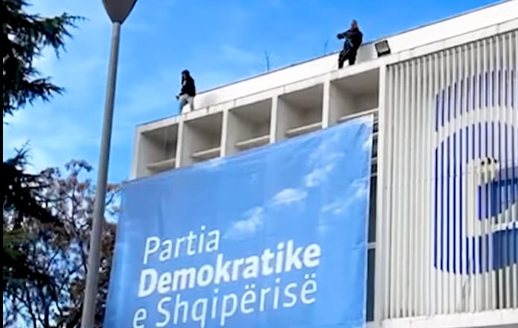


ideas
Silence as a policy and fear as a system
Nga Sokol Neçaj

Is Spiropali a "Magyar", facing the autocrat Rama?!
Nga Neli Demi

American Libra!
Nga Arian Galdini
top



Alfa recipes








services
- POLICE129
- STREET POLICE126
- AMBULANCE112
- FIREFIGHTER128