


FLASH NEWS
We should worry about the opposition, more than about the names of the Rama government

2025-09-05 19:15:40 / EDITORIAL
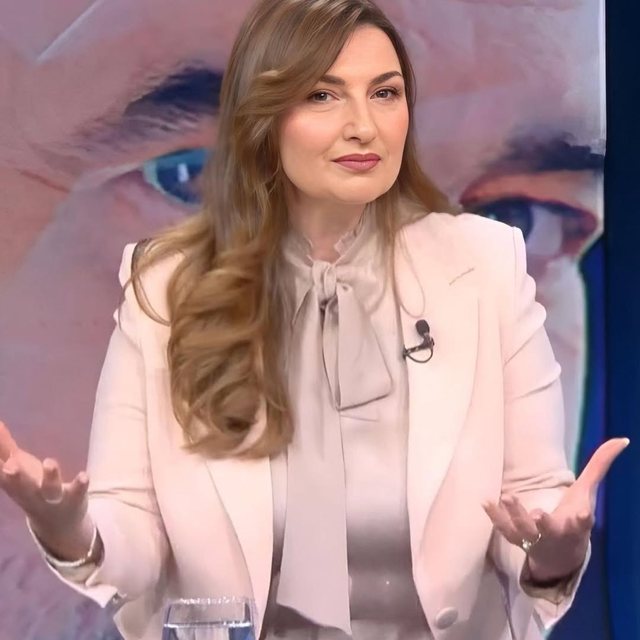
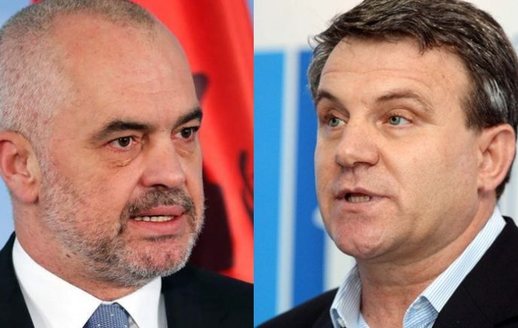
For more than three decades, Albanian politics has remained trapped by a closed circle of figures who, despite the formal rotation, do not bring real change. The two names that dominate the scene, Edi Rama and Sali Berisha, have become symbols of a closed system that prevents the breathing and regeneration of politics.
This has produced a political culture focused on individuals, not on ideas, vision or alternatives. They control everything from the lists of candidates for deputies to decision-making in parliament.
This is precisely where the root of the system's problems lies: leaders who do not build institutions, but control and often weaken them for personal, political and economic interests in the service of strengthening their power.
Instead of a competition of ideas for sustainable economic and social development, we have continuous personal confrontations. Instead of the inclusion of a new political elite, we have the perpetuation of old figures, who have turned politics into private property and parties into personal instruments.
The result is a rigid system that closes the door to any new alternative and that increasingly pushes citizens towards indifference, distrust in politics, social depression and departure from the country.
The efforts of new opposition groups to break the status quo did not fail fundamentally due to a closed and unfair electoral system. In a game with one-sided rules, any new alternative remains hostage to the facade of democracy.
This reality underlines the need for a radical, comprehensive and institutionally guaranteed electoral reform that creates real opportunities for competition and representation.
In these conditions, more than for the names of the “Rama 4” government, we should worry about the opposition.
In any functional democracy, the government is balanced by an active, credible and constructive opposition. But in Albania, the opposition functions more as an extension of personal internal crises and not as a representative of the public interest.
Therefore, the real questions and concerns are not related to the new ministers, but to the opposition:
– Is the opposition able to control the government?
– Does it offer a credible alternative?
– Does it really represent the interests of citizens or is it reduced to personal interests?
Today, more than the names of the new government that Rama devised in the heat of August, we should be concerned about the state of the opposition – castrated for 34 years behind the name of Sali Berisha, sometimes on the front lines, sometimes in the shadows.
Albania does not suffer from a lack of engaged citizens, it does not suffer from a lack of talents or ideas, but from a lack of space to turn them into political representation. The time of leaders who rule for decades should have ended long ago.
Democracy needs fair competition, for competition, for space for new ideas and visions, for leaders who build independent institutions, not who control them. Only in this way can we build a new political model, where the citizen is at the center and politics is a tool for development, not an obstacle.
If this circle is not broken, Albania will continue to revolve around itself, wasting energy, time and – most painfully – the hope and future of generations to come.
Happening now...

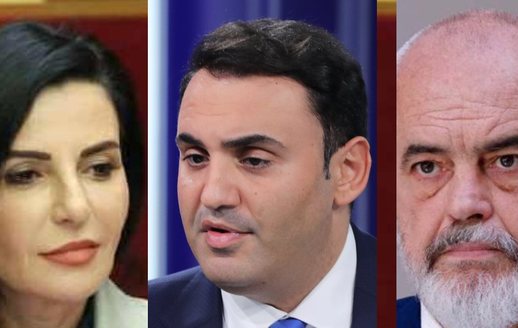
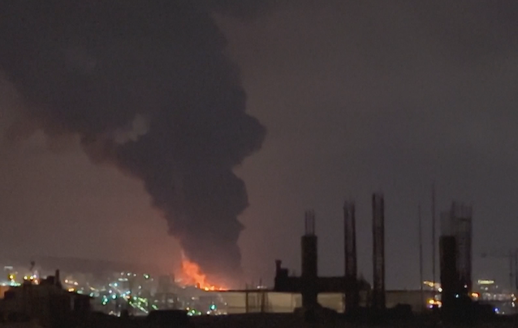
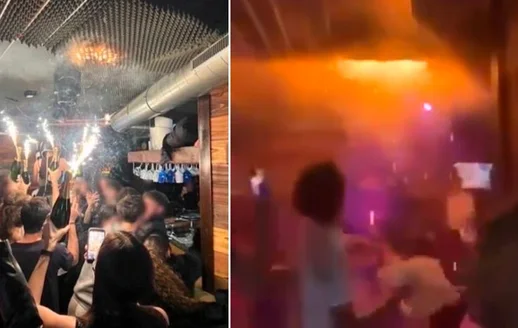




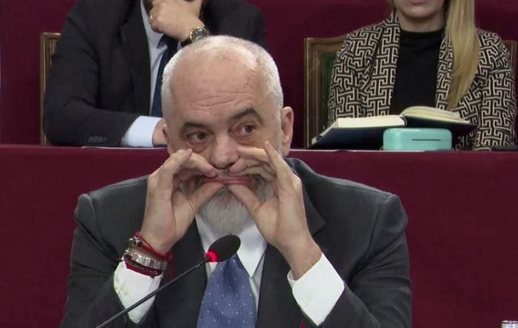

Germany, the "curse" of Rama and Berisha
Nga Bato Kosova
ideas

We are witnesses to the atrocity that is taking place in Vlora!
Nga Gjergj Nika

When crisis becomes a system: Dilemmas of the Republic of Kosovo
Nga Sokol Neçaj
top



Alfa recipes



TRENDING 




services
- POLICE129
- STREET POLICE126
- AMBULANCE112
- FIREFIGHTER128