


FLASH NEWS
War in Iran, clashes spread to the Middle East and the Caucasus

2026-03-07 19:03:17 / BOTA
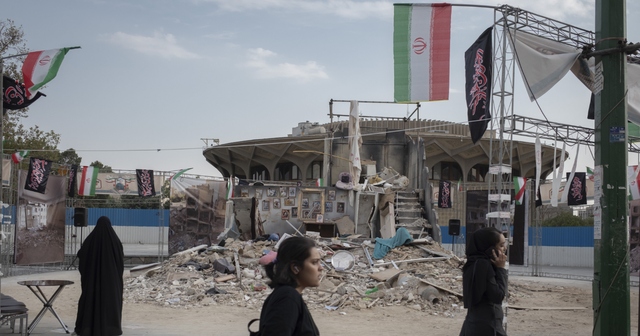
The war in Iran is spreading across the Middle East and beyond, with incidents stretching from the Persian Gulf to the South Caucasus and raising fears that the conflict could escalate into a wider regional confrontation.
Saudi Arabia said it intercepted a ballistic missile launched towards a base housing US forces on March 7, while Azerbaijan accused Iran-linked operatives of planning sabotage targeting a major oil pipeline and Jewish facilities, A2 reports.
At the same time, cross-border attacks between Israel and Iranian-backed groups in Lebanon have continued, with Iran's Islamic Revolutionary Guard Corps (IRGC) saying it had attacked a Maltese-flagged oil tanker in the Strait of Hormuz using an "explosive drone," as Tehran seeks to expand its response to the US-Israeli military campaign.
The series of developments underscores how a war that began with coordinated US-Israeli airstrikes against Iran on February 28 is spreading to neighboring regions, threatening energy infrastructure and raising the possibility of new fronts opening as the war enters its second week.
Analysts say Tehran's strategy appears to be aimed at increasing the cost of the conflict for Washington.
"The region is likely to experience a sustained Iranian retaliation campaign as long as it has missiles and launchers," Sascha Bruchmann, a military and security analyst at the London-based International Institute for Strategic Studies, told Radio Free Europe.
But Iran also appears to be trying to soften any regional backlash. In a rare apology on March 7, Iranian President Masoud Pezeshkian said in a video message that he wanted to “personally apologize to neighboring countries that have been affected by Iran’s actions,” while urging them not to join the US-Israeli attacks on Iran.
He said Iran's interim leadership council had agreed to suspend attacks on neighboring countries unless attacks on Iran came from their territory. However, hours later, the IRGC navy launched a drone attack on the US al-Dhafra air base in the United Arab Emirates, according to the Tasnim news agency, a semi-official agency affiliated with the IRGC.
The report claims that a US satellite communications center and radars for early warning and fire control were hit, but Radio Free Europe/Radio Liberty was unable to independently verify the attack. The United Arab Emirates' Defense Ministry said it responded to threats with missiles and drones from Iran, but did not confirm the attack on the US air base.
Pezeshkian gjithashtu hodhi poshtë kërkesën e presidentit amerikan Donald Trump për “dorëzim të pakushtëzuar”, duke thënë se “amerikanët mund ta marrin kërkesën e tyre për dorëzimin e popullit iranian në varr”.
Pak më pas, Trump njoftoi në një mesazh në rrjetet e tij sociale se ushtria amerikane po shqyrton zgjerimin e gamës së objektivave brenda Iranit, përfshirë zona dhe individë, ose “shkatërrim dhe vdekje të plotë”.
Komplot i dyshuar iranian për të shënjestruar një tubacion nafte
Azerbajxhani tha se kishte parandaluar një komplot të lidhur me IRGC-në për të sulmuar disa objektiva brenda vendit.
Sipas një deklarate të Shërbimit Shtetëror të Sigurisë të Azerbajxhanit, të publikuar vonë më 6 mars, plani i dyshuar përfshinte sulme ndaj tubacionit të naftës Baku-Tbilisi-Ceyhan (BTC), Ambasadës izraelite në Baku, një sinagoge dhe një anëtari të shquar të komunitetit hebraik malor të Azerbajxhanit.
Autoritetet thanë se dy shtetas iranianë dhe një shtetas azerbajxhanas ishin të përfshirë në kontrabandimin e më shumë se 7 kilogramëve eksploziv C-4 në vend me udhëzime nga IRGC-ja. Hetuesit thanë se ishin lëshuar urdhërarreste ndërkombëtare për katër të dyshuar.
Irani nuk i është përgjigjur publikisht akuzave, por tha më herët këtë javë, pas një incidenti me dron, se nuk po kërkon të shënjestrojë Azerbajxhanin.
Çdo ndërprerje e tubacionit mund të ngushtojë furnizimin global me energji, i cili tashmë është tronditur nga zgjerimi i luftës.
Teherani ka kërcënuar se do t’i “vërë flakën” çdo cisternë perëndimore që përpiqet të kalojë nëpër Ngushticën e Hormuzit, e cila përbën një rrugë jetike tregtare për rreth një të pestën e naftës dhe gazit natyror të lëngëzuar në botë. Të paktën nëntë anije janë sulmuar që nga fillimi i sulmeve SHBA-Izrael, sipas Lloyd’s List, një kompani e inteligjencës detare.
Tubacioni BTC kalon përmes Gjeorgjisë dhe Turqisë dhe transporton naftë nga Kaspiku drejt terminaleve të eksportit në Mesdhe, duke furnizuar tregjet evropiane. Kjo rrugë përbën gjithashtu rreth një të tretën e importeve të naftës të Izraelit.
Komploti vjen pas një incidenti tjetër më herët këtë javë që rriti tensionet mes Bakusë dhe Teheranit. Zyrtarët azerbajxhanas thanë se dronë iranianë goditën infrastrukturë në enklavën Nakhçivan të vendit më 5 mars, duke plagosur civilë dhe duke dëmtuar një aeroport.
Teherani mohoi përgjegjësinë për sulmin.
Sulmet përhapen në gjithë Lindjen e Mesme
Arabia Saudite tha më 7 mars se kishte interceptuar një raketë balistike të lëshuar drejt bazës ajrore Prince Sultan në juglindje të Riadit, e cila strehon personel ushtarak amerikan. Ministria saudite e Mbrojtjes tha se raketa u shkatërrua para se të arrinte objektivin.
Në një sulm tjetër, mbrojtja ajrore saudite rrëzoi gjashtë dronë që synonin fushën e naftës Shaybah pranë kufirit me Emiratet e Bashkuara Arabe, sipas Agjencisë Saudite të Shtypit. Zyrtarët thanë se dronët u interceptuan mbi shkretëtirën Empty Quarter në jug të vendit.
The attacks follow several previous drone strikes on Saudi energy infrastructure this week, including attempts to attack the Ras Tanura refinery on the kingdom's east coast.
Saudi Defense Minister Prince Khalid bin Salman warned Iran against further "miscalculations," saying such actions threaten regional security and stability.
The escalating attacks have rattled global energy markets. Brent oil prices rose more than 8 percent in one day this week and have risen almost 30 percent since the conflict intensified.
Elsewhere, Israel has continued to exchange fire with Iranian-backed groups in Lebanon, while Tehran's network of regional allies - often called the "axis of resistance" - is considering how far to escalate the confrontation.
Iran itself has responded to the US-Israeli attacks by launching waves of drones and missiles at Israeli targets and striking US military facilities across the region, including in Bahrain and the United Arab Emirates.
The United Arab Emirates, Kuwait, Qatar, Bahrain and Saudi Arabia have all reported drone and missile attacks over the past week./ REL
Happening now...














Germany, the "curse" of Rama and Berisha
Nga Bato Kosova
ideas



top


Alfa recipes



TRENDING 




services
- POLICE129
- STREET POLICE126
- AMBULANCE112
- FIREFIGHTER128