


FLASH NEWS
Munich Conference: Merz calls for "revival" of transatlantic trust

2026-02-13 20:10:22 / BOTA
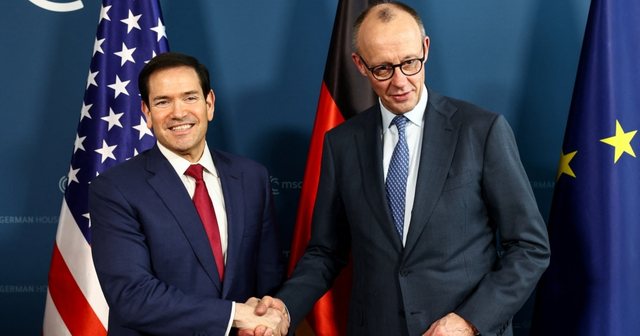
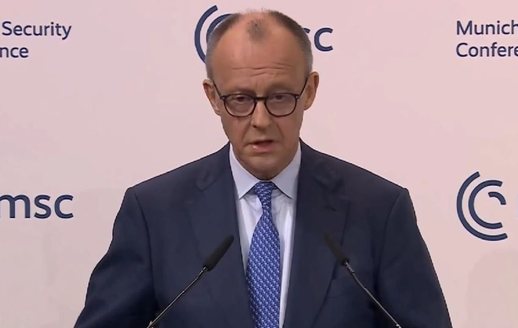
German Chancellor Friedrich Merz opened the Munich Security Conference (MSC) by describing a geopolitical landscape stripped of its former orientations and saying that the old world order "no longer exists."
He warned of threats coming from Russia and China, and suggested that US-European relations need to be repaired to face current challenges.
"As imperfect as it was even in its best days," the global order that was "based on rights and rules" is over, Merz said in his keynote speech at this annual gathering.
"We have crossed the threshold into an era that is again openly characterized by the power and politics of great powers."
Citing Russia's war against Ukraine as the clearest example of this harsh reality, he also said that China "systematically exploits the dependencies of others."
Merz called for a "new transatlantic partnership," warning that in "the era of great power rivalry, not even the United States will be strong enough to act alone."
"We must understand on both sides of the Atlantic that we are stronger together... So let's repair and revive transatlantic trust together," he said.
The three-day Munich Security Conference - attended by hundreds of European leaders, lawmakers, military officials, academics and others - comes a year after US Vice President JD Vance rocked the conference with harsh criticism, accusing Europe of dangerous policies on immigration and far-right parties.
"A rift has opened between Europe and the United States," Merz said in his speech.
"Vice President JD Vance said this very openly here in Munich a year ago."
Also highlighting concerns in Europe, a report drafted by the organizers and published ahead of the conference spoke of the emergence of “wrecking ball politics” and declared that “the most powerful among those who are hammering away at existing rules and institutions is US President Donald Trump.”
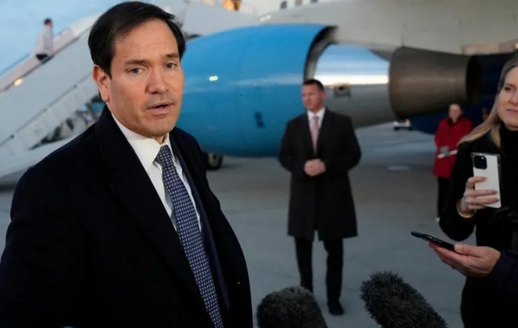
The American delegation this year is led by Secretary of State Marco Rubio, who spoke of a "defining moment" in a world that is "changing very rapidly before our eyes."
"The world is changing very rapidly before our eyes. The old world is gone — frankly, the world I grew up in — and we are living in a new era in geopolitics, and that will require all of us to reconsider what that looks like and what our role is going to be," Rubio said in pre-departure remarks from Andress Air Force Base in Maryland.
Rubio met with Chinese Foreign Minister Wang Yi for bilateral talks hours after arriving in Munich.
Rubio tha se ka gjasa të takohet me presidentin ukrainas, Volodymyr Zelensky, më 14 shkurt, kur ai të arrijë, megjithëse nuk ishte “100 për qind” i sigurt se takimi do të ndodhë.
I pyetur për sulmet e vazhdueshme ruse ndaj infrastrukturës energjetike të Ukrainës, të cilat kanë zhytur qindra mijëra njerëz në të ftohtë dhe errësirë gjatë dimrit, Rubio tha se kjo është arsyeja pse Uashingtoni po vazhdon përpjekjet e tij për paqe.
“Njerëzit po vuajnë. Është koha më e ftohtë e vitit. Është vuajtje e paimagjinueshme”, shtoi ai.
Ministri i Jashtëm i Ukrainës, Andriy Sybiha, i tha Radios Evropa e Lirë se pret të bisedojë gjithashtu me Rubion.
“Ne do të jemi të interesuar [të vazhdojmë] kontaktet tona të rregullta në nivelet më të larta”m tha Sybiha, i cili mirëpriti vizitorë, përfshirë Ministrin e Jashtëm gjerman, Johann Wadephul, në një ekspozitë dronësh në “Shtëpinë e Ukrainës” në Munih.
“Vetëm [presidenti amerikan Donald] Trump mund ta përfundojë luftën, vetëm pala amerikane”, i tha Sybiha REL-it.
Trump e ka bërë përfundimin e luftës së Rusisë kundër Ukrainës një prioritet që nga rikthimi i tij në presidencë në janar 2025, por Moska ka treguar pak gatishmëri për kompromis, dhe dy rundet e fundit të bisedimeve SHBA-Rusi-Ukrainë kanë lënë palët në mospajtim për çështje kyç, përfshirë kontrollin e territorit në rajonin ukrainas të Donbasit.
Zyrtarë rusë dhe ukrainas thanë më 13 shkurt se një rund i ri bisedimesh trepalëshe do të mbahet në Gjenevë më 17-18 shkurt.
“Gjëja më e rëndësishme që mund të arrijmë së bashku është përfundimi i luftës me një paqe dinjitoze dhe krijimi i garancive të besueshme të sigurisë për Ukrainën dhe për gjithë Evropën - që askush në Evropë të mos ketë frikë se do të mbetet pa mbrojtje”, shkroi Zelensky në një postim në X, ku përfshiu pamje nga mbërritja e tij në Munih.
Lufta “ka pasoja shumë përtej Ukrainës”, i tha për REL kryeministri norvegjez, Jonas Gahr Stere.
“Bëhet fjalë për përballjen me forca që përdorin fuqinë ushtarake për të shtyrë interesat e tyre, çka është thelbësore për sigurinë e gjithë Evropës dhe, në fakt, edhe përtej saj”.
Store shtoi se “duhet të ushtrojmë çdo presion ndaj Rusisë që ta ndalë këtë luftë. Ajo mund të ishte ndalur çdo ditë nga Rusia. Rusia është agresori. Dhe ne do të bëjmë gjithçka që mundemi për të mbështetur Ukrainën që të arrijë një armëpushim dhe një paqe të drejtë”.
Organizatorët e MSC-së thanë se ngjarja e këtij viti është më e madhja ndonjëherë, me më shumë se 1.000 delegatë, përfshirë rreth 50 krerë qeverish dhe diplomatë të lartë.
Konferenca e Munihut po zhvillohet në një kohë trazirash globale, me mundësinë e sulmeve ajrore të SHBA-së ndaj Iranit, me pushtimin në shkallë të plotë të Ukrainës nga Rusia që po i afrohet përvjetorit të katërt dhe me tensione lidhur me të ardhmen e aleancës transatlantike të NATO-s.
These latest concerns were expressed at a small side event on the eve of the conference, where former EU Commission President Jose Manuel Barroso said: “we must… remain Atlantic, but Europeanize NATO.”
Barroso called for greater European independence in defense amid fears that Washington was backing away from engagement, adding that expanding the European Union to include Ukraine would also strengthen its security.
"To be honest, they will not be members of NATO," Barroso told REL. "But members of the European Union - I think they could be. So let's find a way."
Asked what she expects from Rubio's speech at the conference on February 14 and from the US's engagement with the Europeans, Romania's Foreign Minister Oana Toiu told reporters: "I hope that the US delegation... will reiterate a strong message of support."
"And also beyond words, beyond conversations, I think what we need now is joint action, joint resources for stability, but also for the peace process [in Ukraine]."
Toiu added that "building or rebuilding trust in the transatlantic partnership is also very important for the next steps in the peace process in Ukraine."
European Central Bank President Christine Lagarde told REL that she "very much hopes that the 90 billion euro ($107 billion) loan, approved by the Europeans, will be put into effect and implemented as soon as possible," but said she had no details.
En route to Munich, Rubio expressed confidence that his message to worried Europeans would be “well received.” He is accompanied by a large group of US senators from both parties, who have announced meetings with Zelensky, NATO chief Mark Rutte, and others.
In a statement, the top member of the Senate Foreign Relations Committee, Jeanne Shaheen, said she would use the trip to "strengthen support for Ukraine and call on my colleagues in Congress to pass bipartisan sanctions legislation to hold Russia and its supporters accountable."
Happening now...



ideas
When bandits are surrounded by fools!
Nga Irena Beqiraj

Po Berisha, a i mban mend protestat e Bashës?
Nga Ermal Peçi
top



Alfa recipes







services
- POLICE129
- STREET POLICE126
- AMBULANCE112
- FIREFIGHTER128