


FLASH NEWS
Brussels targets frozen Russian assets to finance Ukraine in coming years

2025-09-30 18:35:59 / BOTA
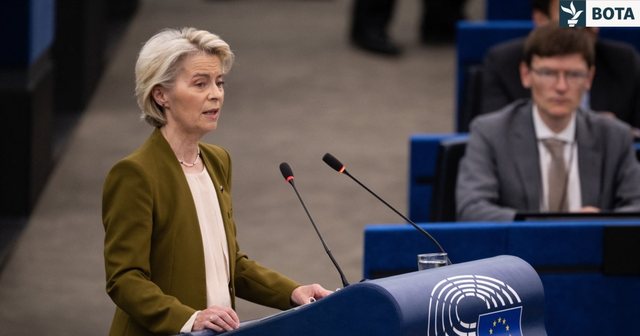
With the United States hinting that it may not be willing to fund Ukraine's defense needs for the long term, the European Union is considering ways to cover a larger share of the costs in 2026 and 2027, assuming the war continues.
The clearest indication of this came during European Commission President Ursula von der Leyen's annual speech to the European Parliament in early September, where she mentioned the idea of a "reparation loan."
More details on how this loan would work are provided in a one-page discussion paper that the Commission provided to EU member states.
The document, seen by Radio Free Europe (RFE/RL), was briefly discussed by the bloc's ambassadors on September 26th.
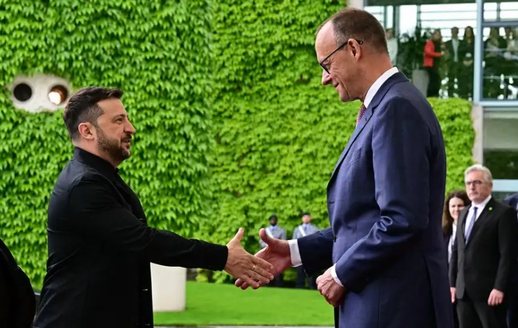
Von der Leyen is expected to present the document to EU leaders at an informal summit in Copenhagen on October 1 to discuss Ukraine. Ukrainian President Volodymyr Zelensky is also likely to attend.
EU finance ministers are also expected to consider more details when they meet in Luxembourg next week.
Although not all loan mechanisms have yet been defined, some elements are already clear.
Any loan to Ukraine would be based on frozen Russian assets in the EU, which have been blocked since Moscow launched its full-scale invasion of its neighbor in early 2022.
The loans would be granted without directly touching this money, and Ukraine would be obliged to repay the money only after Russia had paid war reparations.
The reparations loan, if approved, could solve a number of problems.
Most importantly, it would provide Ukraine with the necessary funds, eliminating any possibility of vetoes from EU-skeptic countries like Hungary and Slovakia. It would also clarify the use of Russian assets and reduce pressure on the EU budget.
However, this agreement is still far from being finalized, as there are still several obstacles.
Let's start with frozen Russian assets.
There is thought to be around 176 billion euros frozen in the EU, mainly at Euroclear, a Belgian financial markets company specialising in central securities deposits.
Some countries, especially the Baltic states, have long sought to seize this money to give to Ukraine, or to use it to build up Europe's defenses.
The argument is simple: Why should European taxpayers pay for the Kremlin's war?
But many Western countries are against the direct seizure of Russian assets.
Belgium is concerned that Moscow could file strong legal claims against the country and Euroclear over these assets.
Banka Qendrore Evropiane (ECB) shqetësohet për ndikimin që do të kishte konfiskimi mbi statusin e euros, aktualisht monedha e dytë rezervë në botë, pasi një lëvizje e tillë mund t’i shtynte vendet e treta të kursenin diku tjetër.
Vendet më të mëdha evropiane besojnë gjithashtu se paratë duhet të mbeten të bllokuara dhe të përdoren për rindërtimin e Ukrainës në rast se Moska nuk pranon të paguajë dëmshpërblim kur të përfundojë lufta.
Gjithashtu, asetet e ngrira tashmë po përdoren për të fituar fonde për Ukrainën. Këto janë fitime tremujore – shpesh rreth 1.5 miliard euro – që transferohen menjëherë në vendin e shkatërruar nga lufta.
Komisioni Evropian tani po sugjeron këtë: disa ose të gjitha asetet e ngrira në Euroclear duhet të transferohen në një Strukturë të Posaçme Financiare (SPV), në këmbim të obligacioneve me kupon zero të lëshuara nga Komisioni Evropian. Këto do të mbështeteshin nga garancitë e një “Koalicioni të Vullnetit” të përbërë nga vende të BE-së dhe ndoshta vende të tjera nga Grupi i Shtatë demokracive kryesore industriale.
Paratë në SPV më pas do t’i transferoheshin Kievit si hua gjatë viteve 2026 dhe 2027 (dhe ndoshta edhe përtej tyre), dhe Ukraina do të duhej t’i kthente vetëm pasi Rusia të ketë paguar dëmshpërblimet e luftës.
Shuma e parave që do të ishte e disponueshme varet nga një vlerësim i Fondit Monetar Ndërkombëtar (FMN), por mund të arrijë deri në 140 miliardë euro për ato dy vjet. Ka gjasa që pjesa më e madhe e kësaj shume të sigurohet nga Evropa nëse Shtetet e Bashkuara nuk duan të kontribuojnë.
Përparësia e kësaj lëvizjeje do të ishte se shmang vetot e mundshme kombëtare.
Ky ishte dilema në fillim të vitit 2024, kur BE-ja u pajtua për një “lehtësim për Ukrainën” prej 50 miliardë eurosh për vitet 2024-2027, por Hungaria fillimisht e bllokoi.
Ky fond u sigurua nga buxheti i përbashkët i BE-së, por duhej miratimi unanim i 27 shteteve anëtare.
Nga 50 miliardët, 32 miliardë tashmë i janë dhënë Kievit, prandaj hapësira e mbetur buxhetore është e kufizuar, dhe Budapesti ka gjasa të kundërshtojë përdorimin e më shumë parave për këtë qëllim.
Derisa Komisioni Evropian po propozon fond prej 100 miliardë eurosh për Ukrainën në buxhetin shumëvjeçar 2028-2034, të gjitha shtetet anëtare duhet ta miratojnë atë, ndërkohë që është gjithnjë e më e qartë se Kievit i duhen fonde më urgjentisht.
Por, marrëveshja është ende e pasigurt, pasi Hungaria mund të vendosë pengesa në një masë të caktuar.
Asetet e ngrira ruse do të qëndrojnë të bllokuara vetëm për aq kohë sa BE-ja vendos që të mbeten të tilla.
Brukseli e bën këtë dy herë në vit, në korrik dhe janar, përmes njëzëshmërisë. Asnjë vend, përfshirë Hungarinë, nuk ka bërë shumë zhurmë për zgjatjen e fundit dy muaj më parë, por kjo nuk përjashton probleme në të ardhmen.
The European Commission suggests in the discussion paper that a decision to extend sanctions in the future should be taken by qualified majority, but notes that this “would require a high-level political agreement by all or a majority of heads of state or government.”
It is a big question mark whether leaders like Hungary's Viktor Orban and Slovakia's Robert Fico will accept this easily.
There may also be a problem with national guarantees.
How many countries would really be willing to enter into a “Coalition of the Willing” for this?
The more countries that participate, the less money each will have to guarantee. But in many member states, national parliaments must approve this, and with some countries facing rising deficits, many politicians may be reluctant to make such guarantees.
Euroclear is likely to require full guarantees and perhaps even a role in the governance of the new loan structure.
And, Euroclear could insist that other financial institutions holding frozen Russian assets also contribute to this scheme./ REL
-

Valdano warns of the biggest "drama" at Real Madrid
September 30, 18:15 -

Happening now...








America may withdraw from Europe, but not from SPAK
Nga Gentian Gaba
ideas


Who is the Surrel Rabbit?
Nga Sidi Hasanaj

The two wrong paths of the opposition with the Ombudsman
Nga Patrik Sadikaj
top


Alfa recipes




TRENDING 




services
- POLICE129
- STREET POLICE126
- AMBULANCE112
- FIREFIGHTER128