


FLASH NEWS
New York Times Analysis: How the Iran War Changed the Global Economy Forever

2026-06-17 09:09:13 / BOTA
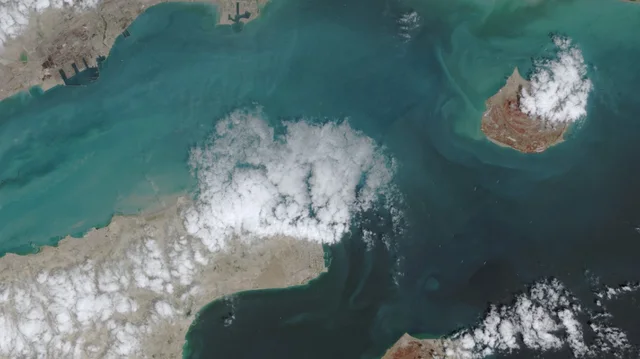
The framework agreement between the United States and Iran is being considered an important step towards reducing tensions in the Middle East, paving the way for greater stability in global energy and trade markets.
After months of uncertainty and sharp fluctuations in oil and gas prices, the agreement creates the conditions for a gradual return of confidence in the global economy. Analysts estimate that, despite remaining challenges, the new situation could serve as a catalyst for new investments and the modernization of energy systems around the world.
It is unclear whether shipping will ever be able to move freely through the Strait of Hormuz — the only sea route for transporting oil, gas and other cargo from the Persian Gulf.
Iran has called for tariffs on ships passing through the narrow waterway, even though such a plan would violate international agreements. Even if the new fees don't materialize, Iran has shown it can cut off trade whenever it wants, which increases the risks and costs.
“I think the strait will never return to the security of free passage that we are used to,” Maurice Obstfeld, a former chief economist at the International Monetary Fund, told the NYT. Similarly, confidence in the region’s peace, stability, and growing prosperity has also been shaken.
One of the positive developments to emerge from the crisis is the acceleration of the transition to renewable energy. According to experts, countries hit by supply insecurity are increasingly investing in solar, wind power and energy storage technologies.
April marked a historic moment for the global energy sector, when wind and solar power generated more electricity than natural gas for the first time. Industry experts consider this a turning point that shows that clean energy is becoming increasingly competitive and affordable.
Recent improvements in battery technology and the decline in the cost of electric vehicles are making the energy transition faster than ever before. Investments in renewable energy projects are also offering faster financial returns, attracting the interest of international investors.
Meanwhile, countries are working to diversify their energy sources and strengthen energy security. This is expected to reduce dependence on traditional supplies and create a more sustainable system for decades to come.
Happening now...





The Alliance of Seals and Towers, facing the New Republic
Nga Azgan Haklaj


The beginning of the end of power in Albania...
Nga Veton Surroi


Attacks on Dumani and Berisha's silence on Ilir Shtufi
Nga Bato Kosova
ideas

The Alliance of Seals and Towers, facing the New Republic
Nga Azgan Haklaj

The beginning of the end of power in Albania...
Nga Veton Surroi

The ridiculous coherence of the opposition!
Nga Alfapress.al
top



Alfa recipes



TRENDING 




services
- POLICE129
- STREET POLICE126
- AMBULANCE112
- FIREFIGHTER128