


FLASH NEWS
In Tirana, drinking water flows only in promises

2025-10-11 10:16:43 / AKTUALITET
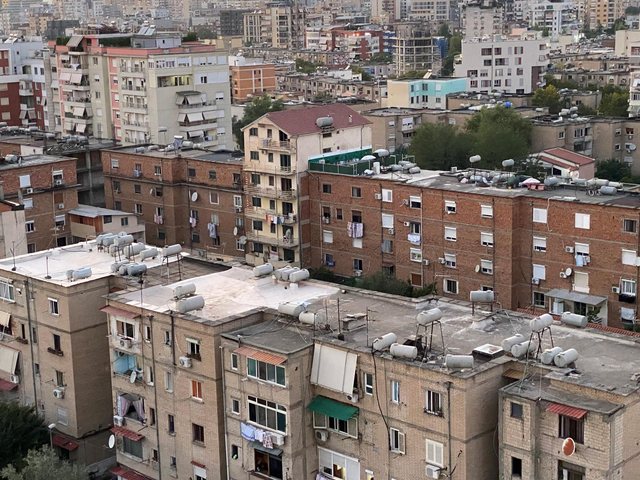
Natasha Muçi, 69, was found unwell on the night of September 3. With her husband bedridden and temperatures still high in Tirana, Natasha needed water at home, but there was none. In the Muçi family's home, next to the Foreign Ministry in Tirana, the tap did not drip all day.
The woman complains that there has been a complete lack of water for days, but even when there is, the supply is on schedule.
"We are supplied with water from 6:00 to 8:00 in the morning; at 1:00 p.m. it only comes for an hour, and there are times in the afternoon we don't have any at all," she said.
In the presence of this reporter, Muçi called the Tirana Water Supply Company, but three calls went unanswered. The elderly woman says that even when the phone is answered, the answers are "arrogant and unexplainable."
"We have also called the UKT toll-free number, but they are not answering. When they answer, they say that zone 1 has water, when in fact there is no water," the desperate woman added.
While the 69-year-old kept her eyes on the faucet, Prime Minister Edi Rama promised on television a deep reform of the water supply and the removal of deposits from the terraces of buildings, which are often the only hope for water supply in the capital.
"This is also the time to start working step by step on the plan to remove deposits that have become extraordinary burdens on buildings," Rama said in a long speech, where he blamed car washes and abusers for the lack of water.
But while Rama spoke of an improved water supply situation and promised reforms, entire neighborhoods in the capital were without water in the first weeks of September. BIRN spoke to residents in Administrative Units 1, 2 and 10, which belong to the city center, while finding an even worse situation in the Astir area on the outskirts.
Opposition representatives in the Tirana Municipal Council blame the government for the unfulfilled promises of water supply to Tirana residents.
"The lack of water is evident in the water bottles purchased in the markets. Citizens pay twice: once for the UKT bill and once for the water bottles purchased in the market, becoming victims of institutional fraud," said Ilir Alimehmeti.
Tirana Water and Sewerage Company, UKT, denied that there was a water shortage in entire neighborhoods of the capital during September. In a written response on September 23, the utility said that the capital's residents received 17.3 hours of water per day and that the shortages were due to defects and were brief.
"Currently, we do not have any neighborhoods without drinking water supply. But we have houses and apartments that are at higher quotas and outside the limits of technical limits," said the Water Supply Manager.
Drinking water is one of the key issues in local and central electoral campaigns in Tirana. In the last three decades, mayors and prime ministers have often repeated promises of uninterrupted supply to the citizens of Tirana.
UKT nga ana e tij mohon tërësisht problemet me furnizimin e ujit.
“Nuk ka mungesë uji të pijshëm në qytetin e Tiranës. Mund të ketë shkëputje ose reduktime të përkohshme në raste defektesh”, i tha UKT BIRN. Kompania këmbënguli se ajo që e quajti disbalancë në furnizim vinte për shkak të shpërdorimit të ujit në rrjet nga përdoruesit dhe ndërhyrjet në rrjet.
“Sasia e ujit të pijshëm llogaritet për frymë dhe jo për shpërdorim të tij, shpërdorimi i ujit të pijshëm nga individët për arsye të ndryshme si dhe ndërhyrjet në rrjet janë shkaktarët kryesorë të disbalancës së shpërndarjes së ujit”, thuhet në përgjigjen zyrtare.
Këto deklarata nuk i bëjnë përshtypje Erinda Lukës, e cila jeton me babanë e saj në Astir. Ajo thotë se ka dekada që dëgjojnë premtime për ujë të rrjedhshëm dhe asgjë nuk ndryshon.
“Na kanë thënë prej dekadash se do të ketë ujë 24 orë, por kjo nuk ndodh kurrë,” tha Luka.
Duke iu referuar “luftës” së kryeministrit me depozitat, Luka thotë se kjo do i linte ata pa asnjë shpresë për ujë. “Depozitat janë shpëtimi ynë, nuk mund t’i heqin. Prej premtimeve vetëm fjalë kemi marrë”, thotë ajo.
Një familje në njësinë administrative 10 në qendër të Tiranës e ka vendosur depozitën me pompë në ballkonin e shtëpisë si e vetmja zgjidhje për të pasur ujë.
“Kam katër fëmijë, më i vogli është 3 vjeç, për të mbijetuar dhe jo jetuar kam sajuar depozitën brenda në shtëpi edhe pse bën zhurmë, s’kam çfarë bëj”, thotë kryefamiljari dhe kërkon të jetë anonim pasi bashkëshortja punon në administratë.
Ai thotë se uji mungon vazhdimisht dhe nuk mund të përdoret për të pirë. Premtime edhe ai ka dëgjuar, madje edhe në shkallët e pallatit ku ka hasur kandidatë për fushatë.
“Po ngjitesha në shkallë, kur hasa me një deputet të PS. Më pyeti për problemet e zonës, përveç rrugës më jetësore është uji i thashë. Qeshi e më tha do e sjellim sepse do hyjmë Evropë. Ç’ Evropë e zezë thua, në nevojtore të shkojmë s’kemi ujë”, thotë ai i revoltuar.
Gjykata e Tiranës shpalli në vitin 2021 se uji i kryeqytetit nuk është i pijshëm, pas një procesi katërvjeçar që evidentoi mungesën e përputhjes së cilësisë me standardet ligjore. Por edhe pas vendimit të gjykatës, ajo që qytetarët marrin në rubinet është e njëjtë. Uji mban erë dhe shpesh është i turbullt.
Ilir Alimehmeti, anëtar i Këshillit Bashkiak për Partinë Demokratike thotë se cilësia e ujit rrezikon banorët e qytetit.
Sipas tij, rreziqet e ujit ndahen në dy kategori: mikrobiologjike dhe kimike.
“Analizat tregojnë praninë e baktereve Escherichia Coli dhe Streptococcus fecalis, që dëshmojnë kontaminim me ujërat e zeza — sidomos në zonat e mbipopulluara si Astiri dhe Kombinati”, thotë Alimehmeti me profesion mjek.
Ai shton gjithashtu se në Tiranë përdoret sasi e madhe e klorit, që po ashtu është mjaft e dëmshme.
"At the same time, water chlorination is used at levels above the norms, making it potentially carcinogenic in the long term and harmful to body organs. Health consequences include frequent gastroenteritis, hepatitis, and tumor risks that are often not officially identified, " Alimehmeti added.
UKT denied that the water had any problems. According to them, the water resources are sufficient to meet the city’s needs. Water quality is monitored daily by two laboratories within UKT, and parameters such as aroma, taste, color and turbidity are maintained according to national standards and WHO recommendations. “The chlorine level is maintained within the values of 0.3–0.5 mg/l, making the water safe for consumption, ” UKT stated.
But Erges Eskiu, a resident of Unit 2 in Tirana, says that in addition to being supplied with limited hours, the water is often unusable. “I have to buy bottled water for the children, as the tap water is cloudy and has a strong chlorine smell,” he says.
The head of the family says that because the tap water is not drinkable, monthly expenses increase by 5 thousand new lek.
"So the UKT bill goes for 2300-2700, plus the water we buy to drink, I calculated 2400 lek per month. About 5000 lek," he calculates. /BIRN


Happening now...






America may withdraw from Europe, but not from SPAK
Nga Gentian Gaba
ideas


Who is the Surrel Rabbit?
Nga Sidi Hasanaj
The two wrong paths of the opposition with the Ombudsman
Nga Patrik Sadikaj
top


Alfa recipes


TRENDING 




services
- POLICE129
- STREET POLICE126
- AMBULANCE112
- FIREFIGHTER128