


FLASH NEWS
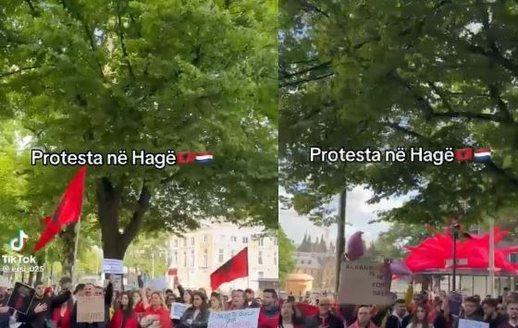
Radio France Analysis: The “Flamingo Revolution” is challenging Rama. The first major civic mobilization against the entire political caste

2026-06-10 10:43:23 / AKTUALITET
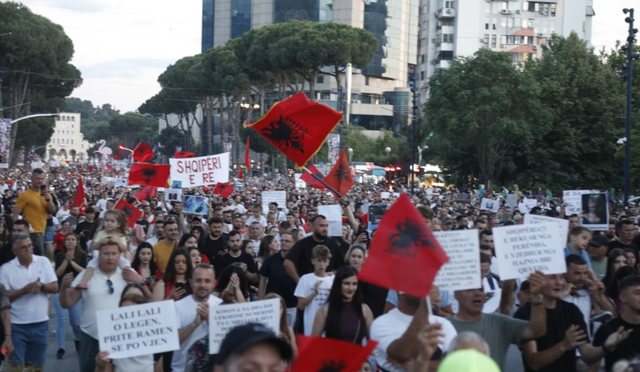
Radio France's analysis of the situation in Albania with an interview with an expert | What is currently happening in Albania? Who is protesting, against what, and when did these protests start?
Miguel Roán, Western Balkans expert:
Albania has been facing a little over a week of citizen mobilizations against a mega-project of urban development planned on the Zvërnec peninsula, which includes the island of Sazan and the Narta lagoon, near Vlora. This is one of the most valuable areas of the country in ecological terms, connected to the delta of the Vjosa river, considered the last great wild river in Europe. These mobilizations have been baptized as the “Flamingo Revolution”, in reference to the birds that populate the lagoon.
However, this movement goes beyond the environmental issue. It is the first major civic and independent mobilization in contemporary Albania: non-partisan, transversal, led by young people, cadres, local residents and ecological organizations. This movement is opposing both the party of Prime Minister Edi Rama and that of the opposition. The spark that ignited the protest was the arrival of excavators, when guards from a private security company used violence against the protest leaders in the passive presence of the police.
We're talking about Jared Kushner, Donald Trump's son-in-law, and Ivanka Trump, his daughter. What exactly is their role and why is this project generating so much reaction, beyond the destruction of ecosystems that NGOs denounce?
Ivanka Trump and Jared Kushner are at the forefront of this initiative. Jared Kushner has admitted that it is a massive investment exceeding a billion euros to build a luxury tourist complex on the island of Sazan and on the coast opposite it. Their participation gives an international dimension to this conflict from the beginning. Critics assess that it is a political operation to support figures who are the target of justice because there is also a major ownership problem. For a decade, there have been numerous conflicts over the ownership of these lands, which in the past belonged to the local populations for use. These residents now suddenly find themselves deprived of the spaces that they historically used with right.
How did Edi Rama's government change the rules to give the green light to this contested project?
Kjo zonë gëzonte statusin e “peizazhit të mbrojtur” që nga viti 2004 dhe mbrohej nga një ligj për zonat e mbrojtura që nga viti 2017. Një ligj i ri, i cili hyri në fuqi në vitin 2024 dhe që fillimisht ishte konceptuar për të plotësuar kriteret evropiane, integroi disa klauzola toleruese për motive të “interesit ekonomik”. Për shumë qytetarë, ky projekt simbolizon problemet strukturore që po e gërryejnë Shqipërinë prej vitesh. Edi Rama e ka ndërtuar strategjinë e tij mbi tërheqjen e ethshme të investitorëve të huaj dhe mbi aleancat diplomatike të drejtpërdrejta me figura si Donald Trump, Benjamin Netanyahu apo Giorgia Meloni, pa asnjë kompleks ideologjik, megjithëse ai vetë drejton një parti të qendrës së majtë. Dhuna e ushtruar në terren ka njollosur seriozisht imazhin e tij si një lider modern, duke shpërfaqur një udhëheqës që përqendron pushtetin dhe mban lidhje të dyshimta me afaristë të vënë nën akuzë nga drejtësia.
Gjatë marshimeve, njerëzit thërrasin se “Shqipëria nuk është në shitje”. Çfarë tregon kjo për modelin e zhvillimit ekonomik të vendit?
Kjo është një çështje shumë ambivalente, nuk është aq e thjeshtë. Turizmi në Shqipëri ka dy anë të medaljes. Nga njëra anë, kontributi ekonomik është i pamohueshëm. Trafiku në aeroportin e Tiranës është shumëfishuar me 200 herë gjatë viteve të fundit, duke e rreshtuar vendin ndër destinacionet kryesore. Kjo hapje ndërkombëtare ka qenë pozitive për një shoqëri thellësisht të traumatizuar që kaloi nga diktatura e Enver Hoxhës në një tranzicion brutal drejt ekonomisë së tregut, me një shoqëri sot të minuar nga emigracioni masiv i të rinjve. Megjithatë, ky model zhvillimi ka rënë në anarki. Bregdeti është betonizuar me nxitim, shpesh pa leje ndërtimi dhe pa studime të ndikimit në mjedis. Janë krijuar zona turistike të mbyllura, krejtësisht të paarritshme për vetë shqiptarët, qoftë sepse janë privatizuar, qoftë sepse janë jashtëzakonisht të shtrenjta.
Ky projekt në Shqipëri ngjan me një tjetër projekt për një kompleks luksoz të udhëhequr nga Jared Kushner në Beograd të Serbisë, i cili gjithashtu ka ngjallur protesta të ashpra. Pse ekziston ky interes i madh për Ballkanin vitet e fundit?
They find there purely “transactional” spaces and an environment where private economic interests and political power are intertwined without any real counterweights, neither by justice, nor by the opposition or by the media because the ruling power controls almost everything. The Balkans offers vast natural spaces that are still wild, with very low land prices and labor costs.
The Trump family attempted the same thing in Belgrade, seeking to transform the former General Staff of the army bombed by NATO in 1999 – a place with a strong emotional charge for Serbs – into a luxury hotel. This project is blocked today, but it illustrates the total lack of any moral filter when it comes to doing business, as well as the complete combination between Jared Kushner’s diplomatic functions and his private interests.
Is this project a symptom of a disconnect that is happening elsewhere in the Balkans?
Absolutely, this is not an Albanian specificity. In Kosovo, Serbia, Bosnia or North Macedonia, the concentration of power has increased exponentially over the last fifteen years, while indicators of democracy and press freedom have declined. For ten years, the European enlargement process remained frozen, allowing leaders like Edi Rama to amass immense power without any external checks.
As for the United States, its relationship with the region is now purely transactional: democratization-related motives have been erased, while authoritarian behaviors are tolerated as long as they allow the maintenance of exclusive business ties. The greatest irony is that the anti-corruption prosecutor's office (SPAK) that had to intervene in this matter was originally created and financed by Washington and Brussels.
Can this mobilization force Edi Rama to resign?
The concessions he could make are possible, but Edi Rama has invested too much political capital to really back down. The protests are significant, but at the moment they do not have a critical mass sufficient to threaten the fall of his government. On the other hand, they cannot be appropriated by any opposition party. This is the same problem as in Serbia: a large popular mobilization, but with great difficulty in translating it into a political force capable of rivaling the power in power. This crisis brings to light the total division that exists in the Balkans between the political class and civil society, as well as the inability of the latter to structure itself in defense of the general interest.
Happening now...



ideas

Who are the shadows surrounding the protest?
Nga Ergys Mërtiri
Protest against an immoral elite
Nga Sokol Neçaj

Protests do not produce leaders
Nga Ardi Stefa
top


Alfa recipes



TRENDING 



services
- POLICE129
- STREET POLICE126
- AMBULANCE112
- FIREFIGHTER128