


FLASH NEWS
Why was the announcement of the verdict for the former KLA leaders in the Special Court postponed?

2026-05-08 19:30:58 / KOSOVA
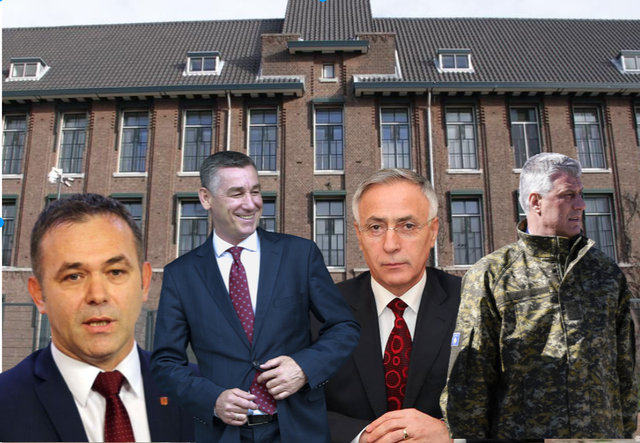
While some in Kosovo expressed dissatisfaction with the decision of the judicial panel of the Specialist Chambers in The Hague to postpone for at least two months the announcement of the verdict against former leaders of the Kosovo Liberation Army (KLA) in the trial for war crimes and crimes against humanity – international justice experts say the postponement is common for a case of this magnitude.
In Kosovo, they feel that a judicial process – which began six years ago with the arrest and detention of former President Hashim Thaçi, former Speakers of Parliament Kadri Veseli and Jakup Krasniqi, and former MP Rexhep Selimi – is dragging on "unnecessarily" and is "diminishing" their faith in justice.
The verdict was expected to be announced in the middle of this month, about three months after the trial ended in February. And the decision to postpone it beyond July 20 was described as “unreasonable.”
The court – which is formally part of the Kosovo judicial system but is composed of international judges and prosecutors – justified the postponement by saying it was due to the “complexity of the case” without providing further explanation.
Two foreign experts on international law – Mathias Holvoet and Iva Vukusic – tell Radio Free Europe/Radio Liberty that there are several factors that have pushed the judicial panel to postpone the announcement of the verdict for at least two more months: the number of defendants, the volume of evidence, and the high number of witnesses.
“A common reason is the amount of evidence, which can reach tens of thousands of materials, the large number of pages and the difficulty of the arguments (legal complexity, requiring a lot of research and discussion by the drafters of the verdict),” says Vukusic, a historian from Utrecht University in the Netherlands and an expert on trials for crimes committed in the former Yugoslavia.
Vukusic – originally from Croatia who has studied the Hague Tribunal process in depth – emphasizes that the number of defendants also increases the workload of the judicial panel.
All defendants have their own defense teams, and this, according to Vukusic, increases the workload for judges, because "each one can present different arguments or, sometimes, even try to shift the blame to someone else."
Thaci, Veseli, Krasniqi and Selimi are accused of acts such as murder, torture and persecution, allegedly committed during the years 1998-99 during the war for Kosovo's independence from Serbia.
All four have denied these allegations and have pleaded not guilty to charges involving around 155 victims.
Prosecutors have requested that they be found guilty and each sentenced to 45 years in prison for the alleged crimes.
Mbi 130 dëshmitarë dëshmuan në këtë gjyq, ndërsa u pranuam me shkrim 160 deklarata të dëshmitarëve të tjerë.
Mathias Holvoet, ligjërues i së drejtës penale ndërkombëtare në Universitetin e Amsterdamit, thotë se ky rast gjyqësor është “kompleks, nuk ka dyshim për këtë”, prandaj edhe vjen një shtyrje e tillë.
“Mendoj se është kompleks, para së gjithash, sepse keni të bëni me katër të pandehur. Pra, nuk është vetëm një për të cilin duhet të merret vendimi, janë katër. Pra, kjo e bën të ndërlikuar”, vë në pah Holvoet.
Reagime kishte nga partia më e madhe opozitare në vend e deri të kryeministri në detyrë.
Partia Demokratike e Kosovës (PDK) – ndër themeluesit e të cilës ishte ish-presidenti Thaçi – tha se shtyrja ishte “goditje tjetër ndaj besimit tonë në drejtësi dhe një padrejtësi e shtuar ndaj ish-krerëve të UÇK-së”.
Ajo e quajti atë “dënim i heshtur ndaj tyre përmes vonesave të përsëritura” në një reagim më 6 maj.
Kryeministri në detyrë, Albin Kurti – i cili është kritik i kamotshëm i gjykatës – tha se ajo nuk është transparente me Kosovë.
“Qeveria e Kosovës nuk ka qasje në dinamikat dhe zhvillimet që bëhen në Gjykatën Speciale, e cila nuk karakterizohet nga transparenca për vendit tonë në shërbim të së cilit thuhet se është. Edhe një herë theksoj se Kosova ka nevojë për gjykatë normale, jo për gjykata speciale”, u tha Kurti gazetarëve më 7 maj.
Organizata e Veteranëve të Luftës së UÇK-së e kritikoi gjithashtu vendimin, duke thënë më 6 maj se ai “thellon një padrejtësi të papranueshme dhe gërryen besueshmërinë e çdo institucioni që pretendon se mbron sundimin e ligjit”.
Holvoet thotë se, pavarësisht reagimeve në Kosovë, shtyrja e shpalljes së aktgjykimit për këtë rast nuk është e pajustifikueshme, duke e ditur kompleksitetin e çështjes.
“Kur krahasohet me gjykata të tjera, për shembull, Gjykata Ndërkombëtare Penale, aty kur mbyllet gjyqi, ndonjëherë zgjat shumë më tepër shpallja e aktgjykimit. Pra, nga kjo perspektivë, nuk mendoj se është e pajustifikuar që ata zgjasin më shumë”, thekson Holvoet.
Por, sipas tij, në këtë rast është shumë e rëndësishme mënyra se si dhe kur Gjykata Speciale njofton për një shtyrje të tillë.
Gjykata kishte njoftuar në shkurt, pas mbylljes së çështjes më 18 shkurt, se gjykatësit do t’i fillonin kuvendimet për të marrë vendimin e gjykimit brenda 90 ditësh, pa e cekur një datë fikse. Ajo gjithashtu kishte paralajmëruar se shpallja e vendimit do të mundë të shtyhej për 60 ditë.
Për këtë shtyrje dymuajshe ajo njoftoi më 6 maj, pak para se të mbusheshin tre muaj nga mbyllja e çështjes.
Rregullorja e procedurës dhe e provave e gjykatës thotë se vendimi i gjykimit shqiptohet brenda 90 ditësh pas mbylljes së çështjes gjyqësore dhe se mund të ketë një zgjatje jo më të gjatë se 60 ditë, përveçse kur është patjetër e nevojshme.
The court said in its announcement that July 20th does not mean that the verdict will be announced that day, and warned that there may be another postponement if absolutely necessary.
Holvoet says another postponement could signal disagreements among the three judges who must decide on the verdict, even though unanimity is not required.
"If it continues to be postponed, then I think there are really disagreements on the fundamental issues. On liability, of course, and then also on sentencing. Because then maybe it's no longer about complexity, but maybe about disagreements between judges," he emphasizes.
The trial of former KLA leaders has met with widespread opposition in Kosovo, as it is seen as biased, as it does not include crimes committed by Serbs on the territory of Kosovo.
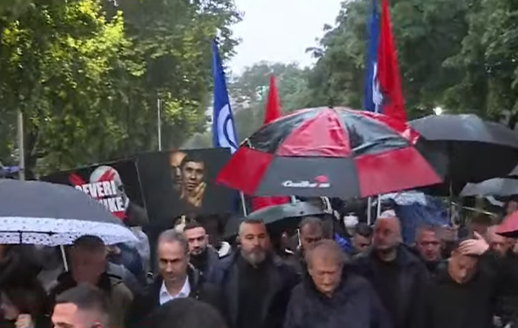
Since then, large banners and posters with the message "Freedom has a name" and photographs of former KLA leaders have been placed throughout Kosovo.
There have also been protests against this process in The Hague, Pristina and other cities.
Thousands of citizens participated in the "Justice, Not Politics" protest on Kosovo's Independence Day on February 17 this year in Pristina, in support of Thaçi, Veseli, Selim and Krasniqi. /REL
Happening now...



Sali Llapa
Nga Bato Kosova
ideas

Republic of Thieves!
Nga Gjergji Nika

Albania, this ship stuck in the business of theft!
Nga Edison Ypi

top


Alfa recipes








services
- POLICE129
- STREET POLICE126
- AMBULANCE112
- FIREFIGHTER128