


FLASH NEWS
Quite important for the body, here's where potassium is found

2025-04-22 00:03:02 / JETË
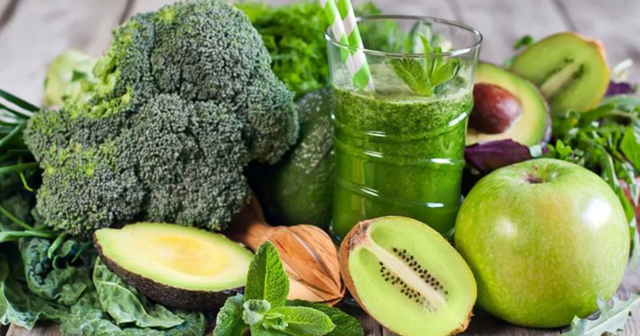
You may not have heard enough about potassium, but it's necessary to learn about it.
This mineral is essential for muscle strength, nerve function, and a healthy circulatory system.
Potassium is found in abundance in many delicious foods such as melon, avocado, bananas, and white beans.
However, don't get too excited. Even if you get the recommended daily allowance of potassium, which is 4,700 mg per day, chances are you're suffering from a potassium deficiency.
Why does this happen? The more salt you consume per day, the more potassium your body loses.
Signs of potassium deficiency often go unnoticed, but if you experience these signs, then you should consult a doctor and have your potassium levels checked.
You feel constantly sluggish.
Every cell in the body needs adequate amounts of potassium to function. Low potassium levels can cause general fatigue and a feeling of being run down or exhausted.
So if your daily activity makes you feel groggy, even though you've had enough sleep, then potassium is to blame.
You have high blood pressure.
Potassium helps to relax blood vessels. If its levels are not sufficient, then the vessels narrow and consequently blood pressure is high.
Consume processed and fast foods
Eating processed foods ensures that potassium levels in the body are low.
Potato chips, cookies, frozen foods are all high in salt, and as we said above, the higher the sodium levels, the less potassium the body has.
Give up salty foods and let your body store the amounts of potassium it needs.
Potassium plays a role in calming muscle contractions. So when potassium levels are low you may experience muscle pain or cramps.
You have irregular heartbeats.
The feeling of your heart stopping is scary. So is the sudden acceleration or irregularity of your heartbeat.
The causes of these symptoms are varied, but potassium deficiency is one of them.
You feel dizzy or faint.
The sudden drop in potassium levels slows your heart rate enough to make you feel like you're going to collapse at any moment.
It's not common and there are many causes, but if this happens to you, you should see a doctor as soon as possible.
It sounds strange, but low potassium levels slow down all body functions, and the digestive system is no exception.
Bloating and abdominal cramps also occur as a result of potassium deficiency.
The foods richest in potassium
The following percentages are based on the recommended daily intake of potassium for men and women, which is 4,700 milligrams.
White beans — 1 cup of cooked beans 1,004 milligrams
Avocado — 1 piece: 690 milligrams
Broccoli — 1 cup of cooked broccoli: 458 milligrams
Sweet potato — 1 medium berry: 438 milligrams
Bananas — 1 medium banana: 422 milligrams
Salmon — 3 ounces: 416 milligrams
Peas — 1 cup of cooked peas: 384 milligrams
Sardines — 3.75 ounces: 365 milligrams
Lemon — 1 fruit: 354 milligrams
Whole milk — 1 cup (250 ml): 260 milligrams
Beef — 3 ounces: 237 milligrams
7 health benefits of potassium
1. Lowers blood pressure and supports heart health.
3. Prevents muscle contractions and pain.
4. Maintains bone health.
5. Supports the nervous system.
6. It is necessary for good digestion.
7. Prevents kidney disorders.
-

-

Easter egg challenge, here's who won
April 21, 23:39
Happening now...
















America may withdraw from Europe, but not from SPAK
Nga Gentian Gaba
ideas


Who is the Surrel Rabbit?
Nga Sidi Hasanaj

The two wrong paths of the opposition with the Ombudsman
Nga Patrik Sadikaj
top



Alfa recipes




TRENDING 




services
- POLICE129
- STREET POLICE126
- AMBULANCE112
- FIREFIGHTER128