


FLASH NEWS
Oil towards 200 lek, the Albanian economy faces a new test

2026-03-03 09:08:15 / EKONOMI&SOCIALE
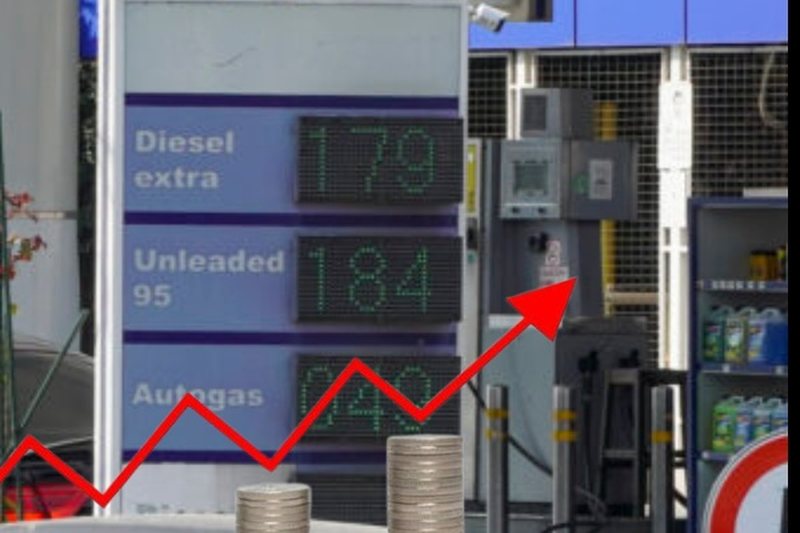
The price of oil is expected to approach the threshold of 200 lek per liter again. A price that Albanians experienced in 2022, when war broke out in Ukraine and global energy markets were gripped by panic.
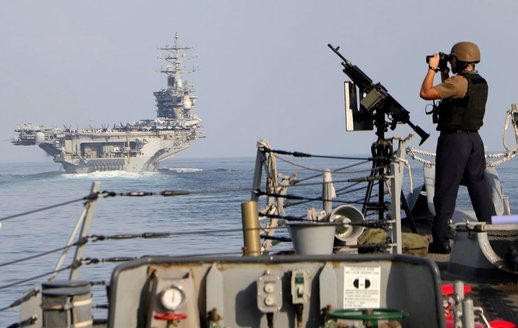
The cause this time comes from the Middle East. Clashes between the US-Israeli axis and Iran have pushed oil prices above $80 a barrel, reigniting fears of a wider escalation. About a fifth of the world's oil and about 20% of the natural gas circulating on world markets passes through the Strait of Hormuz. Any threat to block it is enough to ignite markets. If tensions escalate and Hormuz is blocked, the price of oil could surpass $100 a barrel. And when that happens, importing countries like Albania have no shield.
A survey by Faktoje.al at several fuel points in Tirana showed that diesel is being sold between 175 and 187 lekë per liter. But this is just today's picture.
According to the Hydrocarbons Association, an increase of 10-15 lek per liter is expected within the week, which would bring the price close to 200 lek. The association's chairman, Luigj Aliaj, says that the increase is expected to be temporary, 20-30 days, if the situation stabilizes.
"For us, it will start within a week with a 10-15 lek increase, but it will be temporary, 20-30 days, and then I think we will return to the prices before the conflict," the president of the Association, Luigj Aliaj, tells Faktoje.al.
"All this tension in the Middle East increases the risk of supply disruption and, as a result, the global price of oil increases, directly affecting Albanian markets," explains economist Teuta Nunaj-Kortoçi.
"Albania is a net importer of oil, so any increase in international markets is immediately reflected in the price of the product sold in the domestic market," she adds.
"Trading companies usually do not absorb the increase, but transfer it to the final consumer, making price increases inevitable," concludes Nunaj-Kortoçi.
Along the same lines, the ALTAX Center, in a recent analysis, warns of an increase in oil prices.
"Albania, as a net importer of oil mainly from European markets and indirectly from the Middle East, will face an immediate increase in fuel prices, potentially +10-15% in the coming months," warn experts from the ALTAX center.
The rise in oil prices doesn't stop at the gas pumps. It immediately translates into higher transportation, production, and service costs, fueling a new wave of inflation in the economy.
According to the analysis of the ALTAX Center, every 5% increase in the price of oil adds about 0.1 percentage point to inflation. If oil rises to $100 per barrel, inflation in Albania could increase by 1 to 1.5 percentage points by mid-2026. With the current rate at 2.3%, this would bring inflation close to 4%, gradually erasing the purchasing power of households.
In an economy like Albania, dependent on imports and with a fragile production structure, any external shock quickly translates into a bill for the consumer.
Faced with this reality, the space for reaction is limited. Experts suggest building strategic oil reserves, prudent fiscal policies and accelerating investments in renewable energy. But in the short term, the Albanian economy remains exposed. And when the price of oil increases, the chain of price increases is inevitable./ Esmeralda Topi, Faktoje.al
Happening now...







Germany, the "curse" of Rama and Berisha
Nga Bato Kosova
ideas

The opposition must and will be bigger than an individual.
Nga Taulanda Jupi

Violent protests as group therapy
Nga Roland Lami

Those who mocked and attacked Basha
Nga Ermal Peçi
top



Alfa recipes


TRENDING 




services
- POLICE129
- STREET POLICE126
- AMBULANCE112
- FIREFIGHTER128