


FLASH NEWS
The aviation industry is hit hard, ticket prices increase: Consequences for millions of passengers

2026-05-06 23:27:38 / EKONOMI&SOCIALE
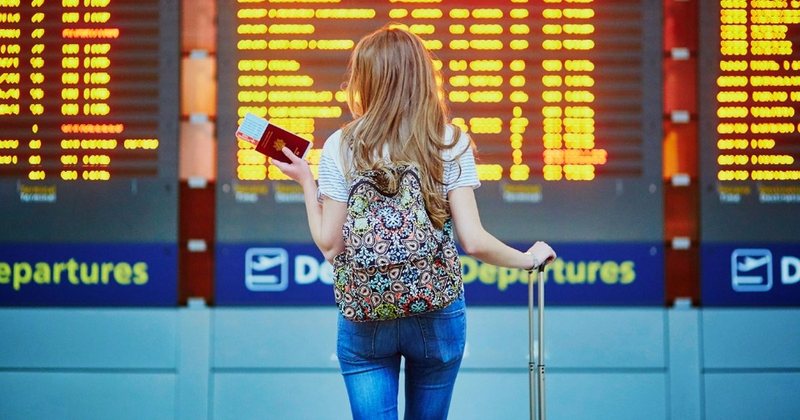
The global aviation industry is facing one of the biggest challenges in recent years, as the sharp rise in jet fuel prices, driven by tensions and military clashes between the US, Israel and Iran, is forcing airlines to review their operational plans.
The consequences are being felt directly by millions of passengers around the world, who face higher ticket prices, fewer flight options and a greater risk of cancellations.
Since the end of February, when the conflict began to escalate, jet fuel prices have increased by over 80 percent. This has significantly increased operating costs for airlines, for which fuel is one of the largest expenses. As a result, many companies have been forced to increase ticket prices to compensate for losses, while others have chosen to reduce the number of flights or withdraw from some less profitable routes.
One of the most striking examples of the impact of this crisis is the eventual closure of a US budget airline, which failed to cope with rising costs. This has raised concerns about the sustainability of smaller operators, which are more exposed to energy market fluctuations.
According to data from aviation analytics firms, about 9.3 million seats were reduced on global flights for the period from June 1 to September 30. This reduction in capacity has created additional pressure on prices, pushing them even higher, due to high demand and more limited supply.
The Middle East region remains the hardest hit, due to airspace closures and security risks following Iran's attacks on several key air transport hubs. The region's major airlines have significantly reduced their operations. One major Gulf carrier alone has cut about 2 million seats for the summer season, while others have made significant capacity cuts.
The impact is not limited to the Middle East. In major markets such as the US, Europe, China, Japan and Australia, airlines have reduced flight frequencies and increased fares. According to the latest data, international flight prices from the US have increased by about 16 percent compared to a year ago, while domestic flights have seen an even greater increase, over 24 percent.
These developments are also affecting consumer behavior. Travelers are becoming more cautious and booking earlier to avoid further price increases and uncertainty. Some are choosing larger, more established airlines, believing they have more capacity to handle crises and avoid unexpected cancellations.
Experts warn that the situation could worsen if geopolitical tensions continue or escalate further. The potential long-term closure of key oil shipping routes, such as the Strait of Hormuz, would have even more serious consequences for global energy prices and, consequently, for the aviation industry.
Happening now...














Sali Llapa
Nga Bato Kosova
ideas



top



Alfa recipes








services
- POLICE129
- STREET POLICE126
- AMBULANCE112
- FIREFIGHTER128