


FLASH NEWS
Water, the country's dormant capital, only 1.8% is used for agriculture

2026-04-09 23:15:13 / EKONOMI&SOCIALE
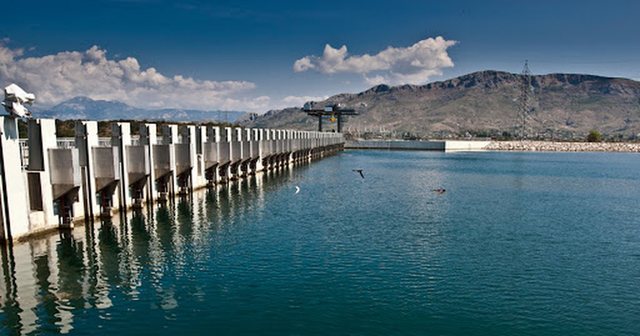
Agriculture is the world's largest consumer of water. According to the latest statistics from the Food and Agriculture Organization of the United Nations (FAO), agriculture accounts for about 51% of all freshwater withdrawn from rivers, lakes and groundwater sources globally.
In some countries, this figure goes up to 90%, as agriculture is the main engine of the economy and requires intensive irrigation. While Albania uses only 1.87% of its water reserves for agriculture.
According to official data, the potential area that can be irrigated is estimated at around 225,000 hectares, which constitutes approximately 31% of the total agricultural land in the country, which is around 677,000 hectares.
AQUASTAT data shows that globally, about 40% of food production comes from artificially irrigated lands. In many countries of the world, without irrigation there is no production. Albania uses very little water for agriculture, less than 2% of what is available, which shows that Albania uses a very small part of its wealth.
Comparing our country with other countries, Albania's figures suggest that a large part of agricultural land is not systematically cultivated or irrigated, while a part relies mainly on atmospheric precipitation. This distinguishes our country, which uses only a small part of agricultural land and relies very little on irrigation.
The Food and Agriculture Organization of the United Nations (FAO) has created an AQUASTAT database, which shows the use of water reserves in the world, creating a water stress index. FAO data confirm that Albania enjoys an enviable position in terms of water resource security and sustainability, distancing itself significantly from the worrying global trends of water scarcity.
According to figures compiled for 2022, the level of water stress in our country has remained at a minimum of 3.56%, a value that is almost five times lower than the world average, which fluctuates around 18%.
This indicator proves that the pressure that human and economic activities exert on natural water resources in our country is almost negligible and a large reserve for future development that is not being exploited.
Analysis of these data suggests that the main challenge for Albania is not related to the quantity of resources, but to their still untapped potential. While the world is facing increasing water stress, where countries like Yemen use over 169% of their resources, risking total drying up, Albania operates with high safety margins. Abundant untapped water offers a strategic opportunity for increasing agricultural production and developing industry, without compromising environmental balances./ Monitor

Happening now...













Denouncing Berishism is a prerequisite for denouncing the government
Nga Blendi Kajsiu
ideas


top



Alfa recipes

TRENDING 



services
- POLICE129
- STREET POLICE126
- AMBULANCE112
- FIREFIGHTER128