


FLASH NEWS
"Tonight we will strike very hard"/ Trump: We canceled the major attacks warned against Iran

2026-06-11 20:51:32 / BOTA
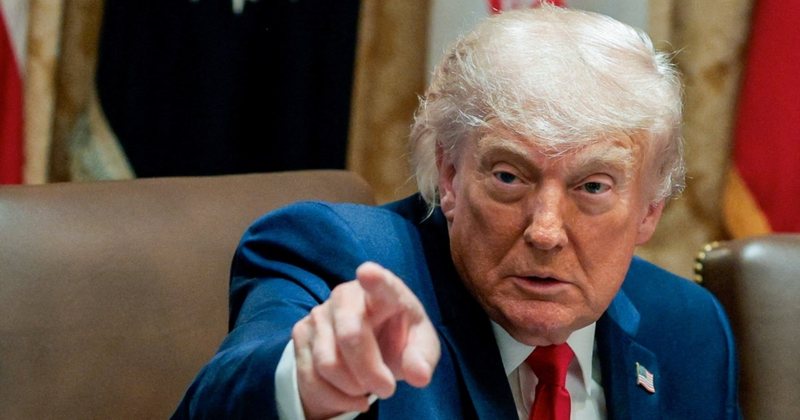
US President Donald Trump has said he has called off attacks on Iran, just hours after threatening to hit the Islamic Republic "very hard tonight".
"Based on the fact that discussions with the Islamic Republic of Iran have been elevated to the highest level of Iranian leadership and have been approved, I, as President of the United States of America, have canceled the planned strikes and bombings on Iran this evening," Trump said in a post on Truth Social on June 11.
The American leader added that the "discussions and final points" have been approved by the United States, Israel, Saudi Arabia, the United Arab Emirates, Qatar, Turkey, Pakistan, Bahrain, Kuwait, Jordan, Egypt and other countries.
"The naval blockade will remain in full force until this transaction is finalized, the time and place of the signing will be announced soon," he said.
The announcement comes after the US and Iran exchanged attacks for the second day in a row.
The latest attacks represent the most serious escalation of hostilities since a fragile ceasefire between the US and Iran took effect in April.
Video: US and Iran exchange attacks
Following the latest attacks, Iran claimed earlier on Thursday that it had completely closed the Strait of Hormuz after US strikes hit the country overnight.
While Tehran warned that it would target any ship attempting to pass through the strategic waterway, Iranian state media later reported that two ships had been attacked.
US Central Command (CENTCOM) rejected these claims, adding that commercial ships are continuing to move through the strait - a route through which a fifth of the world's oil and gas supplies normally pass.
The latest escalation began with a new round of US airstrikes on military targets in Iran on June 10, prompting Tehran to carry out retaliatory attacks against US military targets in Bahrain and Kuwait.
US Central Command, CENTCOM, said earlier that its forces carried out additional "self-defensive" strikes, striking Iranian military surveillance capabilities, communications systems and air defense positions across Iran.
The operation involved US Marine Corps, Air Force and Navy assets, which used high-precision munitions against targets that Washington said posed a threat to US forces and international commercial shipping in the region's waters.
"The strikes are in response to Iran's unprovoked and ongoing aggression," CENTCOM said in a statement in the early hours of June 11, adding that US forces are "aware, robust and ready."
Menjëherë pas kësaj, Trupat e Gardës Revolucionare Islamike të Iranit (IRGC) njoftuan se kishin goditur shënjestrat ushtarake amerikane në Bahrejn dhe Kuvajt si kundërpërgjigje ndaj sulmeve amerikane.
Në një deklaratë, IRGC tha se kishte goditur 18 caqe të lidhura me ushtrinë amerikane në dy valë operacionesh kundër bazave ajrore “Ali Al Salem” dhe “Ahmed Al Jaber” në Kuvajt. Sipas tyre, forcat iraniane goditën gjithashtu bazën ajrore “Sheikh Isa” në Bahrejn.
Zyrtarët amerikanë nuk kanë njoftuar për shkallën e dëmeve të mundshme, ndërsa ndikimi i sulmeve mbeti i paqartë.
Ministria e Brendshme e Bahrejnit tha se sirenat për sulme ajrore ranë në gjithë mbretërinë e Gjirit për herë të dytë dhe u bëri thirrje qytetarëve dhe banorëve të qëndrojnë të qetë dhe të lëvizin drejt vendit më të afërt të sigurt.
Ndërkohë, autoriteti i aviacionit civil të Kuvajtit njoftoi më 11 qershor se hapësira ajrore e vendit është rihapur dhe se trafiku komercial është “kthyer në normalitetit”, pasi një seri sulmesh iraniane shkaktoi mbylljen e tyre të përkohshme.
Përplasja e fundit përbëjnë përshkallëzim të ndjeshëm të konfrontimit midis Uashingtonit dhe Teheranit, duke rritur shqetësimet për paqëndrueshmëri më të gjerë në rajonin e Gjirit dhe për kërcënime ndaj infrastrukturës energjetike dhe rrugëve tregtare detare.
Sekretari i Përgjithshëm i OKB-së, Antonio Guterres, bëri thirrje për ndalimin e menjëhershëm të armiqësive, duke paralajmëruar se Lindja e Mesme po zhytet “gjithnjë e më thellë në krizë” dhe se pasojat shtrihen shumë përtej rajonit.
Një ditë më parë, sulmet ajrore amerikane goditën disa shënjestra në Iran si përgjigje ndaj Iranit për rrëzimin e një helikopteri të ushtrisë amerikane në Ngushticën e Hormuzit. Më pas, Irani kreu sulme ndaj bazave amerikane në rajon, në një kundërpërgjigje.
Sulmet e 10 qershorit ndodhën vetëm pak orë pasi presidenti amerikan, Donald Trump, u tha gazetarëve se “ne i goditëm fuqishëm dje dhe do t’i godasim përsëri fuqishëm sot”.
Para sulmeve ajrore, presidenti iranian, Masoud Pezeshkian, tha në X se vendi i tij do t’i bënte ballë çfarëdo trysnie dhe se kërcënimet e Trumpit ishin shenjë e dëshpërimit të Uashingtonit.
Duke folur para gazetarëve, Trump pretendoi gjithashtu se Shtetet e Bashkuara kanë marrë naftë nga Irani.
“Po e bëj publike sot për herë të parë, por ne kemi nxjerrë miliona fuçi naftë, miliona fuçi çdo natë”, tha Trump, duke shtuar se Irani “vetëm tani e ka kuptuar këtë”.
Lidhur me negociatat me Iranin, Trump shtoi: “Ne duam marrëveshje që ka kuptim, duam një marrëveshje që funksionon. Ishim shumë pranë një marrëveshjeje, por ata vazhdojnë të na zvarrisin, vazhdojnë të luajnë me ne sikur të ishim budallenj”.
Trump tha se Irani tashmë është pajtuar për të mos zhvilluar armë bërthamore – një nga kërkesat kryesore të Uashingtonit – por marrëveshja nuk është nënshkruar ende.
Earlier on Wednesday, the 35-member board of governors of the UN nuclear watchdog approved a US-backed resolution demanding that Iran disclose its remaining stockpiles of enriched uranium and allow inspectors into the country.
The Iranian ambassador to Austria, Reza Najafi, told AFP that the resolution is "counterproductive" and an obstacle to talks with Washington.
Earlier, Trump declared that the Iranian military has been "totally defeated," warning Tehran that it will "pay the price" for "taking too long to negotiate a deal" with Washington.
Tehran and Washington have been engaged in negotiations since April 8, when a ceasefire ended the US-Israeli bombing campaign against Iran.
However, several complex issues have prevented a deal from being reached, including the fate of Iran's enriched uranium reserves, Israel's ongoing war against Hezbollah in Lebanon and Tehran's demand that Washington release Iranian funds frozen abroad.
Happening now...

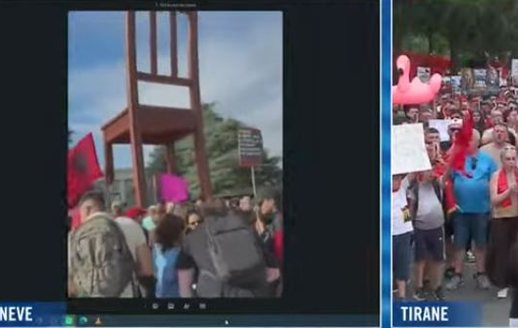
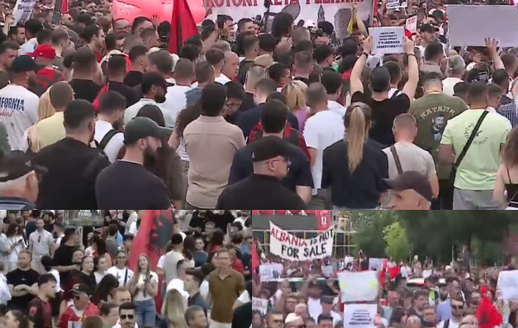
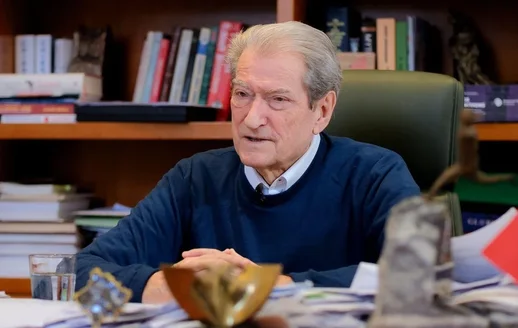
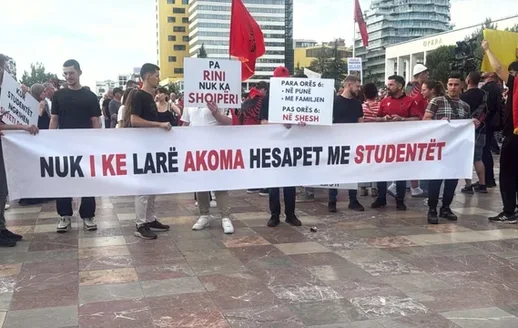

Protest microphone
Nga Poli Hoxha
ideas

top

Alfa recipes


TRENDING 



services
- POLICE129
- STREET POLICE126
- AMBULANCE112
- FIREFIGHTER128