


FLASH NEWS
How Netanyahu sold war on Iran to Trump as 'easy'

2026-04-06 22:43:01 / BOTA
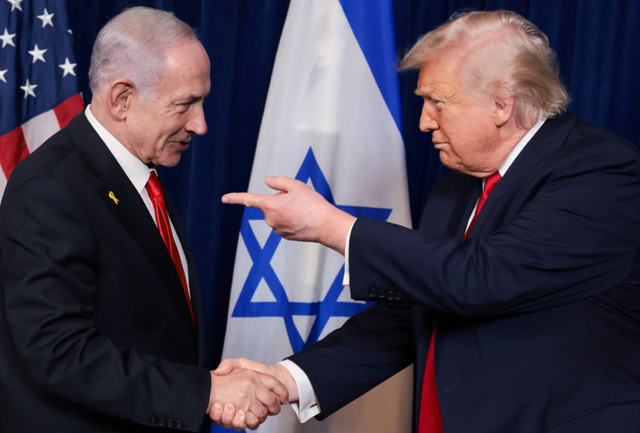
When Benjamin Netanyahu arrived at Donald Trump's Mar-a-Lago club on December 29 of last year, the Israeli prime minister came with a request and a not-so-secret incentive.
After months of restocking air defense systems and other missiles, following the 12-day June conflict in which the US joined in bombing Tehran's nuclear facilities, Israel was ready to act again, this time with bigger targets.
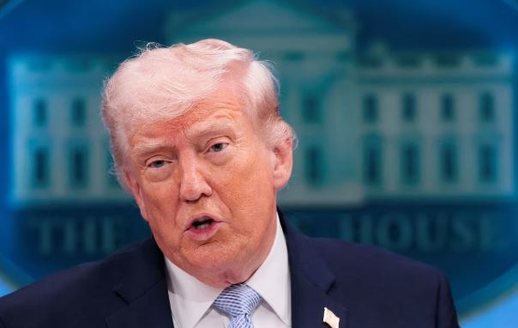
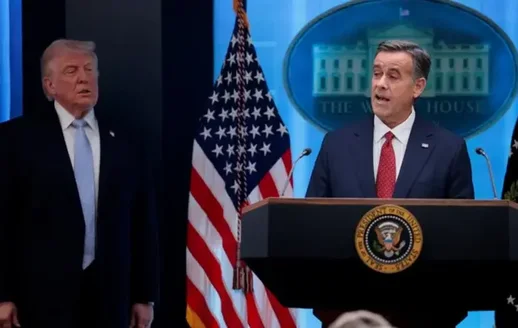
At the press conference held by the two leaders, Trump seemed to faithfully repeat Netanyahu’s familiar points. “Now I’m hearing that Iran is trying to rebuild,” Trump said. “Then we’re going to have to hit them again. We’re going to completely destroy them. But I hope that doesn’t happen.”
The Israeli leader, like others before him, came equipped with an appeal to Trump’s ego: awarding his country’s highest honor, the Israel Prize, which is rarely given to non-Israelis, for his “extraordinary contributions to Israel and the Jewish people.” According to the Atlantic magazine, Netanyahu had also suggested a benefit for the president known for his transactional approach: defeating Iran would allow Israel to reduce its heavy dependence on American military aid.
That meeting, as has now become clear from several accounts, was one of many contacts between Netanyahu and Trump in the weeks that followed, as the former sought to secure US participation in a broader conflict against Tehran, with ambitions far greater than the previous round of fighting.
A fragile and unpopular regime seemed poised to collapse, shaken by domestic protests with Iranians angry at the deadly crackdown on demonstrations, according to an assessment prepared by Mossad, the Israeli secret service.
It would be a historic opportunity that required a short campaign. An additional benefit suggested by the Israeli leader, according to some sources, was that Trump could retaliate for alleged Iranian plots against his life.
What is clear from subsequent developments is that Netanyahu, the self-proclaimed "expert" on Iran, and the Israeli military establishment were fully convinced of the idea of an easy war.
On February 28, the first day of the war, (unnamed) Israeli officials informed the Haaretz newspaper that the Iranian threat would fade within a few days, once the last of Iran's missile launchers were destroyed.
Another article in the same newspaper said that Israeli military planners had stockpiled defensive missiles for a war they assumed would last a maximum of three weeks.
I parë si një konflikt i veçuar, ai është po aq i lidhur me SHBA-të sa edhe me Izraelin, por është pjesë e luftës së Izraelit; fronti më i fundit në konfliktin e vazhdueshëm të Netanyahut që prej sulmit të Hamas ndaj Izraelit më 7 tetor 2023.
Ai sulm ndryshoi llogaritjet strategjike të vendit. Dhe në konfliktet rajonale që pasuan në Gaza, Liban dhe tani Iran – me Houthis në Jemen dhe në territorin sirian është shfaqur një model i përbashkët: Netanyahu ka premtuar dhe shpallur fitore, realiteti i të cilave shpesh rezulton më i përkohshëm dhe i mbingarkuar nga vetëbesimi.
Në Gaza, pavarësisht një fushate shkatërrimtare, një Hamas i dobësuar ende ekziston. Në Liban, ku Hezbollah u shpall i mposhtur, organizata ruan aftësinë për të lëshuar raketa përtej kufirit.
Në Iran, pavarësisht vrasjes së liderit suprem Ali Khamenei dhe zyrtarëve të tjerë të lartë, strategjia e “prerjes së kokës” nuk solli ndryshimin e shpejtë të regjimit të premtuar nga Netanyahu, por përkundrazi një konsolidim të dukshëm rreth Gardës Revolucionare Islamike.
Edhe pse dinamika e saktë e ndikimit mbetet e paqartë, është e qartë se edhe brenda administratës së Trump-it ekziston perceptimi se Netanyahu ka premtuar më shumë seç mund të realizohej. Raportime nga Axios sugjerojnë se ai e paraqiti luftën si më të lehtë dhe ndryshimin e regjimit si më të mundshëm sesa ishte realisht.
Të tjerë janë më të kujdesshëm. Sipas Daniel C Kurtzer dhe Aaron David Miller, Trump ishte “një partner i gatshëm dhe i plotë”, tashmë i prirur drejt luftës.
Ndërsa lufta hyn në muajin e dytë, pa një fund të dukshëm dhe me ekonominë globale të tronditur nga mbyllja e ngushticës së Hormuzit, pasojat e premtimit për një “luftë të lehtë” po përhapen përtej rajonit.
Ekspertët e sigurisë Richard K Betts dhe Stephen Biddle shkruan se në javët e para lufta ka kushtuar miliarda dollarë, ka ulur mbështetjen për Ukrainën dhe ka tronditur ekonominë globale, ndërkohë që ka dobësuar edhe NATO dhe mund të inkurajojë vende si Kina, Rusia dhe Koreja e Veriut.
Ndërkohë që Netanyahu ka përdorur gjuhë biblike duke folur për “10 plagë” ndaj Iranit, realiteti është se raketat iraniane dhe të Hezbollahut vazhdojnë të bien mbi Izrael.
Për Izraelin, pasojat afatgjata mund të shfaqen në diplomaci dhe opinion publik. Lufta rrezikon marrëveshjet e normalizimit me shtetet e Gjirit, të njohura si Marrëveshjet e Abrahamit.
Disa shtete arabe mund ta fajësojnë Izraelin për përfshirjen në një luftë që nuk e zgjodhën, ndërsa balanca gjeopolitike në rajon mund të ndryshojë ndjeshëm.
Jashtë rajonit, presidenti francez Emmanuel Macron ka shprehur skepticizëm se sulmet ushtarake mund të zgjidhin në mënyrë afatgjatë programin bërthamor të Iranit, duke theksuar nevojën për negociata diplomatike.
Ndërkohë, mbështetja për Izraelin po bie globalisht, veçanërisht në SHBA. Sondazhet tregojnë rënie të mbështetjes në të gjithë spektrin politik, sidomos tek demokratët dhe votuesit e rinj.
According to a recent poll, for the first time since 2001, Americans are more on the side of the Palestinians than the Israelis.
Even within the American Jewish community, a significant portion opposes military actions against Iran and believes they weaken both the US and Israel.
According to Rahm Emanuel, this could lead to a major change: Israel could no longer be treated as the sole beneficiary of American military aid, but like any other country.
“It’s going to be a different game now,” he said. “And you can no longer count on American taxpayers to foot the bill for you.”
Happening now...



ideas

When cardboard and arrogance become law.
Nga Gjergji Nika

Renaissance is Disaster Capitalism
Nga Klodian Tomorri
Pse tifozeria e Kosovës ishte aq e vdekur dhe mungonin simbolet kuqezi?
Nga Kreshnik Spahiu
top


Alfa recipes
TRENDING 




services
- POLICE129
- STREET POLICE126
- AMBULANCE112
- FIREFIGHTER128