


FLASH NEWS
Trump's Iran Deal and the 2015 Nuclear Deal – What's Different This Time?

2026-06-18 16:40:39 / BOTA
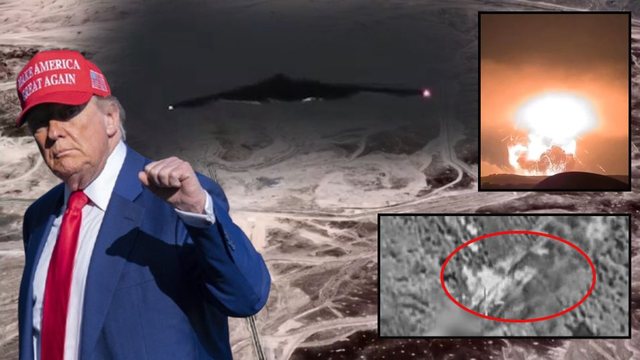
The agreement between the US and Iran to end the war and reopen the Strait of Hormuz is inevitably compared to the 2015 Joint Comprehensive Plan of Action (JCPOA), reached with Tehran by then-US President Barack Obama.
This agreement was harshly criticized by his successor, Donald Trump, who in 2018, during his first term, withdrew the United States from it.
Trump has repeatedly stated that his deal will be better, but the document he signed in Versailles is not final – many issues still remain to be negotiated over the next 60 (or more) days.
"If it were easy, this issue would have been resolved two wars ago," Naysan Rafati, an Iran analyst at the International Crisis Group, told Radio Free Europe, referring to the 12-day war of June last year, as well as the new escalation this year, which began with US and Israeli airstrikes on February 28.
"The fundamentals of the Iranian nuclear program, as of last June, are different from what they were during the JCPOA period," he adds.
What did the JCPOA include?
One element that has not changed is Iran's denial that it intends to develop nuclear weapons, but in the meantime, it has enriched uranium to levels higher than those needed for civilian uses.
This was one of the main problems then and remains so today.
The key elements of the JCPOA were for Iran to ship 98 percent of its enriched uranium stockpile abroad, agree to limits on future enrichment well below weapons-grade levels, give up some centrifuges used for enrichment, and allow all of this to be checked by International Atomic Energy Agency (IAEA) inspectors.
The points also included a host of technical details, for example about exact enrichment levels, quantities of enriched material, storage locations, and specific centrifuge models.
Iran also pledged not to develop nuclear weapons.
In exchange, international sanctions related to the nuclear program – but not to other issues, such as Iran's support for armed groups across the Middle East, its missile program or human rights abuses – would be lifted based on verification that Iran was adhering to the deal.
In addition to sanctions relief, Iran was also given access to frozen assets abroad, the value of which was disputed – with estimates ranging from $50 billion to $100 billion.
The US also paid Iran about $1.3 billion.
The agreement had a dispute resolution mechanism and an expiry clause until 2030.
Ajo u miratua nga Këshilli i Sigurimit i OKB-së.
Megjithatë, marrëveshja hasi në kundërshtime politike në SHBA, nga të dyja partitë.
Kritikët argumentonin se ajo vetëm e kufizonte programin bërthamor të Iranit, por nuk e çmontonte plotësisht atë dhe nuk trajtonte çështje të tjera problematike, si roli i Iranit në rajon.
Sanksionet ndaj Iranit u hoqën në janar të vitit 2016, pasi Agjencia Ndërkombëtare për Energjinë Atomike (IAEA) verifikoi se Irani po i zbatonte kushtet.
Edhe në vitin 2017, SHBA-ja konfirmoi dy herë se Irani po i përmbahej marrëveshjes.
Në maj të vitit 2018, presidenti Donald Trump u tërhoq nga marrëveshja, duke e cilësuar atë si “të tmerrshme” dhe të njëanshme.
Nga viti 2020 deri më 2021, Irani filloi të rrisë si numrin e centrifugave, ashtu edhe nivelin e pasurimit të uraniumit, sipas raporteve të IAEA-s.
Kjo bëri që Britania e Madhe, Franca dhe Gjermania (të njohura si E3) të deklaronin se Teherani nuk po e respektonte më JCPOA-në.
Në qershor të vitit të kaluar, Izraeli dhe Shtetet e Bashkuara kryen sulme ajrore ndaj objekteve bërthamore iraniane, duke paralajmëruar se Irani ishte afër zhvillimit të armëve bërthamore.
Pentagoni më vonë vlerësoi se operacioni “Çekani i mesnatës” e kishte kthyer programin pas deri në dy vjet, megjithëse kishte raporte kontradiktore për shkallën e saktë të dëmeve.
“Ka pasur dëme të mëdha si në objekte, ashtu edhe te shumë nga zyrtarët e lartë të lidhur me programin bërthamor. Por, ne ende nuk kemi pasur inspektime në terren në vendet e goditura. IAEA ka mundur të hyjë në disa objekte, por jo në objektet kryesore të pasurimit që u shënjestruan gjatë operacionit”, thotë Rafati.
Irani filloi ta kufizonte monitorimin nga IAEA pas konfliktit të qershorit.
Më pas, në shtator të vitit të kaluar, hyri në fuqi një tjetër dispozitë e JCPOA-s, e ashtuquajtura klauzolë “snapback”.
Kjo nënkuptonte që sanksionet e OKB-së, të hequra sipas marrëveshjes, të rivendoseshin pas mospërshtatjes së Iranit me detyrimet e tij.
E3 e nisi këtë proces pasi Irani refuzoi t’i plotësonte kërkesat e tyre për qasje të plotë të inspektorëve të IAEA-s dhe transparencë mbi rezervat e materialit të pasuruar.
Pas konfliktit të qershorit 2025, Uashingtoni dhe Irani rifilluan bisedimet për çështje bërthamore.
Por, këto bisedime u ndërprenë kur më 28 shkurt nisën sulmet ajrore të SHBA-së dhe Izraelit kundër Iranit.
Memorandumi i mirëkuptimit (MOU) i nënshkruar nga Trump dhe presidenti iranian, Masud Pezeshkian, më 17 qershor, parashikon heqjen e menjëhershme të sanksioneve amerikane ndaj naftës iraniane, ndërsa heqja e sanksioneve të tjera dhe lirimi i aseteve të ngrira do të ndodhin vetëm nëse Irani zbaton detyrimet e tij, si ulja e nivelit të uraniumit të pasuruar nën mbikëqyrjen e IAEA-s.
“Nuk jemi në biznes të besimit”, tha një zyrtar i lartë amerikan gjatë një konference për gazetarë, më 17 qershor.
The issue of uranium enrichment has also been left to be addressed in further negotiations, while Iran "reaffirms that it will not acquire or develop nuclear weapons."
Like the JCPOA, this agreement has been criticized, including by some Republican lawmakers, who say the US has made big concessions for limited benefits.
Max Meizlish, an analyst at the Foundation for Defense of Democracies, expresses concern about the easing of oil sanctions.
"What we need to do – if this is truly a performance-based agreement – is to link any sanctions relief to the regime's behavior, which goes beyond simply participating in negotiations, signing the memorandum of understanding and opening the Strait," he tells Radio Free Europe.
"The US Congress is not going to give up on this easily unless there are significant reforms from Iran. And we will see. We will see what the US ultimately demands," he adds, referring to the expected talks.
Meizlish also criticizes the lack of any reference to Iran's "other malign activities," such as its missile program and support for groups such as Hezbollah, which Washington considers a terrorist organization.
The JCPOA was criticized for the same reasons.
The situation now, after two wars that have devastated Iran's economy and damaged its nuclear facilities, is very different from 2015.
These conflicts have also significantly eroded trust, further complicating the talks.
The JCPOA, by the way, was not just a bilateral US-Iran process.
Russia, China, Britain, France and Germany were also involved in the negotiations that lasted almost two years.
The Memorandum of Understanding states that negotiators will aim for an agreement within 60 days, but even this period can be extended.
Rafati suggests that the talks be more technical and complex than they have been so far, in 2025-2026./ REL
Happening now...

Attacks on Dumani and Berisha's silence on Ilir Shtufi
Nga Bato Kosova
ideas

The Alliance of Seals and Towers, facing the New Republic
Nga Azgan Haklaj

The beginning of the end of power in Albania...
Nga Veton Surroi
The ridiculous coherence of the opposition!
Nga Alfapress.al
top


Alfa recipes



TRENDING 




services
- POLICE129
- STREET POLICE126
- AMBULANCE112
- FIREFIGHTER128