


FLASH NEWS
The Telegraph's analysis/ What does Khamenei's death mean for Russia and China?

2026-03-02 14:55:56 / BOTA
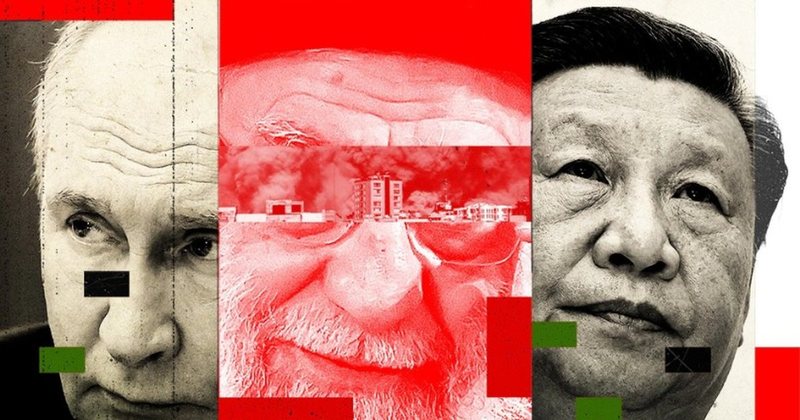
It took just one minute to change the world. Within the first 60 seconds of Operation Epic Fury, Israeli officials claimed, Iran's Supreme Leader and his top aides were dead.
But the precision-guided missiles that struck the center of Tehran in the first salvo of the war didn’t just kill Ayatollah Ali Khamenei and upend half a century of Iranian history. They also underscored a more fundamental reality – where real power still lies in the world.
Much has been written in recent years about “multipolarity” – the idea that emerging powers have regained some of the dominance that the United States unilaterally exercised after the Cold War.
Such arguments are not without basis. China's manufacturing clout and its dominance over critical resource supply lines challenge Washington's economic supremacy. Rising middle powers have ensured that the US no longer enjoys unchallenged influence in every region.
But when it comes to military power, the US still reigns supreme – a point that Donald Trump has tried to emphasize repeatedly since returning to office.
Whether or not he is America's greatest president, as he sometimes suggests, Mr. Trump is certainly among its most important.
Few of his predecessors have wielded brutal power so openly. In two months, he has removed two leaders on two continents: Nicolás Maduro in Venezuela and Khamenei in Iran. Unlike Theodore Roosevelt, Trump speaks loudly and wields a big stick without remorse.
For nearly two decades, China and Russia have tried to build a global coalition to counter American hegemony. With Mr. Trump scuttling those ambitions, Moscow and Beijing have been reduced to helpless blighters on the sidelines, while their regional clients are sidelined.
Following Khamenei's death, Vladimir Putin, the Russian leader, expressed his "deep condolences," condemned a "cynical murder that violated all norms of human morality and international law," and mourned the passing of "an outstanding statesman."
The subtext will not escape the group of strongmen who depend on Moscow's patronage – when the missiles fall, Russia can offer little more than sympathy.
For now, Trump can savor his triumph, having mishandled his critics and confounded the received wisdom.
While Khamenei's assassination is hardly the end of the matter – the Middle East has a track record of turning Western triumphs to ashes – the early stages of this war have already achieved what many thought impossible.
Ekspertët thanë se udhëheqësit e Iranit me siguri do t’i kishin mësuar rreziqet e të mbledhurit në një vend pasi Izraeli vrau të paktën 20 zyrtarë të lartë dhe shkencëtarë bërthamorë në luftën 12-ditore të vitit të kaluar, ose pasi eliminoi udhëheqësin e Hezbollahut dhe rrethin e ngushtë në Liban një vit më parë.
Persona të brendshëm të regjimit kishin thënë se siguria rreth Khameneit dhe rrethit të tij të ngushtë ishte “e shtresuar dhe e thellë”. Ata qarkullonin përmes një rrjeti shtëpish të sigurta, braktisën të gjithë teknologjinë e komunikimit të gjurmueshme dhe mbikëqyrën spastrimet dhe ekzekutimet që synonin të mbyllnin rrjedhjet e informacionit përmes të cilave inteligjenca amerikane dhe izraelite dikur kishin depërtuar në regjim.
Çdo përpjekje për ta gjetur dhe vrarë atë, supozohej se do të kërkonte një fushatë të zgjatur dhe të rrezikshme – si në Libi në vitin 2011, kur u deshën shtatë muaj bombardime të NATO-s për të gjetur dhe vrarë Muamar Gadafin.
Megjithatë, dy faktorë shpjegojnë pse Uashingtoni ka qenë shumë më i suksesshëm 15 vjet më vonë.
Në Libi, SHBA-të zgjodhën të “udhëhiqnin nga prapa”. Barack Obama, i etur për të shmangur optikën e një lufte tjetër amerikane në Lindjen e Mesme, i lejoi Britanisë dhe Francës të drejtonin sulmet ajrore – vetëm për të zbuluar se atyre u mungonte fuqia e zjarrit për të detyruar një kapitullim të shpejtë.
Trump, në të kundërt, nuk bën koalicione, përveçse me Izraelin. Siç është bërë standard, ai as nuk është konsultuar dhe as nuk i ka informuar aleatët evropianë përpara se të sulmojë Iranin. Për të, manteli i legjitimitetit ndërkombëtar dhe ndarja e rrezikut me partnerët mezi ekzistojnë.
Faktori i dytë është inteligjenca. Aftësitë e SHBA-së janë shumë më të sofistikuara se në vitin 2011. Krahas inteligjencës njerëzore, Uashingtoni tani përdor depërtim kibernetik, inteligjencë artificiale dhe dronë me qëndrueshmëri të gjatë në lartësi të madhe, të aftë të identifikojnë një individ të vetëm me anë të ecjes, zërit ose nënshkrimit elektronik – përpara se të vendosë të ashtuquajturat raketa Ninja, tehet e zgjatshme të çelikut të të cilave “copëtojnë” objektivin e tyre.
Ndryshe nga koha e Gadafit, fshehja është bërë shumë më e vështirë.
Megjithatë, historia – veçanërisht në Lindjen e Mesme – paralajmëron kundër triumfalizmit.
Pasi trupat amerikane pushtuan Bagdadin në vetëm 21 ditë në vitin 2003, George W. Bush iu drejtua kombit në mënyrë famëkeqe nga një aeroplanmbajtëse nën një banderolë ku shkruhej “Misioni u krye”. Qindra mijëra civilë vdiqën gjatë viteve në vijim, ndërsa Iraku zhytej në anarki.
Trump nuk mund të pretendojë justifikim derisa të jetë e qartë se Irani nuk ndjek të njëjtën rrugë.
Pavarësisht gjithë suksesit të sulmeve hapëse, nuk është aspak e qartë nëse teokracia e Iranit ka pësuar një goditje fatale.
Although shaken by the loss of its Supreme Leader and the beheading of its top echelon, the revolutionary system was designed to withstand such shocks. It may take weeks to see how much it has truly weakened.
Even if it collapses, Iran – a nation of 90 million people – is extremely vulnerable to civil war. Kurds, Arabs, Azeris and Baluchis all harbor ambitions for autonomy.
The Islamic Revolutionary Guard Corps is unlikely to hand over power willingly. A peaceful transition seems less likely than a violent one. Mr. Trump’s declaration that his goal is “peace throughout the Middle East” could come back to haunt him.
China and Russia will be eagerly waiting for Mr. Trump to stumble.
Khamenei’s death – like Mr. Maduro’s fall before it – has exposed the limits of their global reach.
Both refrained from supplying Iran with systems that could have provided a real strategic deterrent. Russia, despite benefiting from Iran’s drone technology, offered only training aircraft and vague promises of shoulder-fired missiles, consistently omitting the S-400 air defense system and Su-35 fighter jets that could have made a significant difference.
China, while reportedly helping with ballistic missile fuel, did little to help Iran reach parity.
Both powers offered economic partnerships, but not the security guarantees necessary to ensure the survival of their leadership.
The rupture carries risks for them too. Iran supplies China with roughly 1.4 million barrels of oil per day, about 9 percent of its total consumption.
If Mr. Trump scores a clinical victory, Beijing and Moscow will find it harder to convince potential partners that American power is in permanent decline. The informal anti-Western bloc known as the CRINKs (China, Russia, Iran, and North Korea) will look much less credible if the “I” has been removed.
However, no capital will assume that history is over.
Higher oil prices would benefit Putin’s war machine. Any trouble in Iran would quickly destroy Mr. Trump’s newfound credibility. If the restive Gulf states succumb to continued Iranian attacks and pressure Washington for restraint, US dominance in the Middle East could unravel, creating opportunities for Moscow and Beijing to exploit.
And whatever happens in Iran, Putin believes that where it matters most, he is safe. Mr Trump may seek regime change elsewhere, but Russia is not on that list. Its leader is, after all, the kind of dictator the US president likes./The Telegraph
Happening now...




Germany, the "curse" of Rama and Berisha
Nga Bato Kosova
ideas

The opposition must and will be bigger than an individual.
Nga Taulanda Jupi

Violent protests as group therapy
Nga Roland Lami

Those who mocked and attacked Basha
Nga Ermal Peçi
top

Alfa recipes
TRENDING 




services
- POLICE129
- STREET POLICE126
- AMBULANCE112
- FIREFIGHTER128