


FLASH NEWS
DW analysis: How Syria is winning the Iran war

2026-05-05 22:22:13 / BOTA
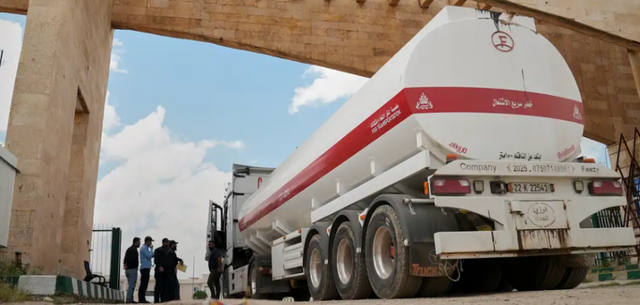
Depictions of Syria have changed dramatically over the past year. From a much-maligned state sponsor of terrorism, to a country torn apart by civil war, to — now — a potential energy hub connecting the Middle East and Europe, one that could help save the world from the inflationary effects of the blockade of the Strait of Hormuz.
The positive description comes amid the ongoing war with Iran. After Israel and the US attacked Iran in late February, Iran closed the Strait of Hormuz, one of the world's most important waterways for transporting crude oil from Iraq, Saudi Arabia, Kuwait and the United Arab Emirates.
Syria is now presenting itself as a potential alternative for oil and gas producers who have no way to get their goods to market. The country's location in the middle of the region and a foreign policy that has deliberately kept it out of the Iran war means the idea has been met with enthusiasm.
In some respects, the idea is already being implemented. In early April, Syria and Iraq reopened their border so that Iraqi oil tankers could sail to Mediterranean ports.
In mid-April, the London-based media outlet Al Majalla saw a leaked document attributed to Tom Barrack, the US special envoy to Syria, in which he also advocated a ‘land bridge through Syria.’ Barrack, Al Majalla reported, was referring to thousands of kilometers of pipelines that could connect the Gulf states and Iraq to European markets.
'Strategic neutrality'
This is just one way Syria is taking advantage of a position that observers have described as 'strategic neutrality' in the Iran war.
Syria's interim government is made up of rebel groups that overthrew the country's former dictator, Bashar Assad, in late 2024. Iran and various proxy groups in the region, such as Lebanon's Hezbollah, supported Assad's regime and fought against rebel groups.
“The new authorities in Damascus came to power with one overriding concern: to prevent Syria from once again becoming a front for regional conflicts,” Kheder Khaddour, a non-resident scholar at the Carnegie Middle East Center in Beirut, said in a discussion in March. “That is why, since the conflict with Iran began, the Syrian authorities have focused more on managing the consequences of that conflict than on directly engaging in it.”
Since coming to power, Syria's interim authorities have distanced themselves from Iran by reinforcing their borders and stopping the smuggling of weapons, cash, and drugs to Iranian-sponsored proxy groups in Iraq and Lebanon.
Për më tepër, ndryshe nga Iraku, Siria nuk paraqiti një ankesë zyrtare në Kombet e Bashkuara në lidhje me përdorimin e hapësirës ajrore të saj nga SHBA-të dhe Izraeli për të sulmuar Iranin, vuri në dukje në një analizë të marsit Samy Akil, një bashkëpunëtor jo-rezident në Institutin Tahrir për Politikat e Lindjes së Mesme . Kjo është interpretuar nga disa si miratim sirian i fushatës kundër Iranit, thotë ai.
Por, siç vazhdoi Akil, ‘pozicioni i Sirisë duket më pak një zgjedhje sesa një domosdoshmëri… Riintegrimi i saj ndërkombëtar, lehtësimi i sanksioneve dhe financimi i rindërtimit varen të gjitha nga ruajtja e besueshmërisë me Uashingtonin dhe shtetet e Gjirit.’
Presidenti i përkohshëm i Sirisë, Ahmad al-Sharaa, ka qenë gjithashtu në një lloj ofensive diplomatike, gjatë së cilës ai ka theksuar rregullisht se sa i dobishëm mund të jetë vendi i tij.
Në Lindjen e Mesme, ai ka folur për mekanizmat rajonalë të koordinimit të sigurisë dhe një dhomë të përbashkët operacionesh me shtetet e Gjirit.
Ai udhëtoi gjithashtu në Evropë, përfshirë Gjermaninë. ‘Siria është një qendër strategjike midis Evropës, shteteve të Gjirit dhe Indo-Paqësorit’, tha Ministri i Jashtëm gjerman Johann Wadephul pas vizitës së presidentit të përkohshëm sirian në Berlin në mars.
Në fund të prillit, Komisioni Evropian propozoi që BE-ja të rifillojë marrëveshjen e bashkëpunimit të vitit 1978 me Sirinë. Më 11 maj, blloku pritet të zhvillojë një dialog politik të nivelit të lartë me autoritetet siriane.
‘Fushata diplomatike e intensifikuar e ndjekur nga al-Sharaa që nga fillimi i luftës… sugjeron një përpjekje për të shfrytëzuar luftën për ta paraqitur Sirinë si një aktor konstruktiv dhe të vlefshëm’, konfirmoi në një konferencë në fund të marsit Carmit Valensi, një studiues i lartë në Institutin Izraelit për Studime të Sigurisë Kombëtare.
Ekzistojnë edhe mundësi ekonomike. Përveç planit për të lehtësuar eksportet e naftës, Siria është në bisedime me kompani të mëdha ndërkombëtare të energjisë në lidhje me eksplorimin e naftës dhe gazit. Trafiku rrugor dhe hekurudhor midis Irakut, Sirisë dhe Jordanisë mund të rritet, ashtu si edhe korridoret logjistike dhe rrjetet e energjisë elektrike.
Siria mund të luajë gjithashtu një rol të rëndësishëm në shtrimin e kabllove dixhitale dhe të telekomunikacionit tokësore.
Në prill, Irani paralajmëroi se kabllot e telekomunikacionit nëndetëse që kalojnë nëpër Ngushticën e Hormuzit mund të jenë gjithashtu të cenueshme ndaj sulmeve. Në shkurt, Arabia Saudite tha se do të preferonte të vendoste kabllo me fibra optike për atë që njihet si Korridori Lindje-Mesdhe (EMC) me Greqinë, përmes Sirisë në vend të Izraelit, siç ishte planifikuar fillimisht.
Edhe pse tingëllon optimiste, vëzhguesit theksojnë se nëse qeveria e re siriane do t’i shfrytëzojë të gjitha këto mundësi do të varet nga zgjidhja e disa çështjeve mjaft të mëdha rreth tranzicionit të vendit nga diktatura dhe lufta civile.
'The interest in investment is real,' Syrian journalist Mazen Ezzi wrote last week for The Amargi, an online media outlet focused on the Middle East and based in the eastern German city of Leipzig. 'But this remains dependent on political stability, regulatory clarity, security guarantees and the rehabilitation of basic infrastructure.'
Fragile governance and an unstable financial system, security threats due to communal tensions in Syria or extremist actors such as the Islamic State group could cause problems. Much of the necessary infrastructure either does not exist or needs to be modernized, sector experts say. In addition, there is a lot of unexploded ordnance that still needs to be cleared.
Abroad, there is pressure from states such as Iran, Israel and Russia, greater geopolitical rivalries in the energy market and the possibility that other transit countries will not embrace Syria's plans. There is also competition from alternative routes that bypass Syria.
At the moment, Syria is struggling to generate enough energy for its own people, let alone efficiently transport oil and gas to other countries, said Karam Shaar Advisory, a consulting firm specializing in Syria's economy.
‘Syria’s potential as an energy hub has regained attention,’ the researchers wrote in late March. But, they argued, ‘a critical distinction must be made between a transit hub and a transit state. A hub shapes routes, prices, and diversification. A transit state simply hosts the infrastructure defined by external actors. The official [Syrian] discourse … aspires to the former. However, current realities suggest the latter.’
The Iran war has undoubtedly created a strategic opening for Syria, Haid Haid, a senior non-resident fellow at the Paris-based Arab Reform Initiative, agreed in an April analysis. But there are no guarantees that these will work, he argued. 'Without sustainable reforms, improved governance and a reliable investment environment, Syria's re-emergence as a regional corridor risks remaining partial and temporary,' Haid concluded. / DW
Happening now...






Sali Llapa
Nga Bato Kosova
ideas

Sali himself, Kadi himself!
Nga Edison Ypi


Everyone against the murderer, no one against themselves!
Nga Andrea Danglli
top


Alfa recipes





services
- POLICE129
- STREET POLICE126
- AMBULANCE112
- FIREFIGHTER128