


FLASH NEWS
The “Balluku” case and the constitutional doubts about a decision without precedent

2025-12-08 20:28:21 / POLITIKË
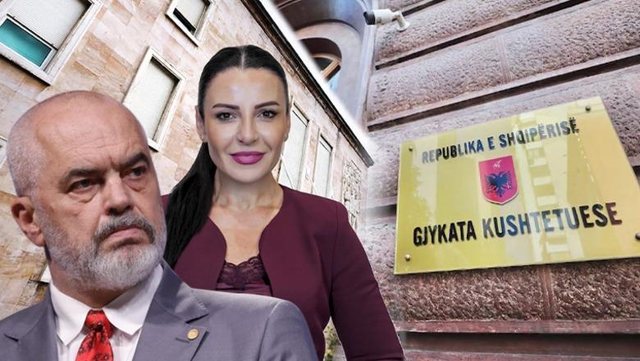
By Sebi Alla
Prime Minister Edi Rama, in his frequent public statements regarding the suspension from office of Deputy Prime Minister and Minister Belinda Balluku by the Court Against Corruption and Organized Crime, is addressing the issue from a legal perspective, describing the decision as "unconstitutional" and at the same time raising concerns about the functional part of the ministry, claiming that work is being blocked.
"...currently, there are 36 other acts of the Ministry of Infrastructure and Energy, of which only 18 are acts for reconstruction, which remain suspended along with the minister, while every day that the minister's suspension is extended, the list of blocked works is also extended," Rama wrote on Wednesday on the X platform, while another position was not missing on Thursday: "The rat of the imbalance of powers that would go through the mustache with the idea that ministers can be removed without trial, without resignation, without a decision by the prime minister, but a security measure is enough, would turn into a wolf that would bite governments, would despise the assembly, would mock the popular vote," Rama said.
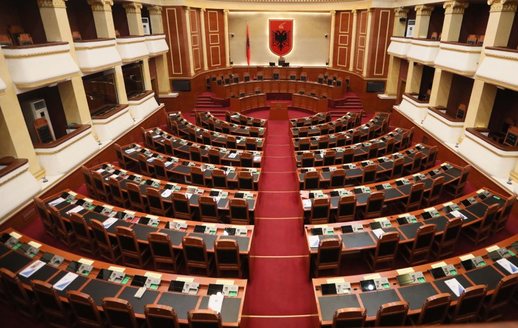
Amid political pressure, the Constitutional Court has decided to review the case on December 12, where its eight members will decide whether the case will proceed to review on the merits, or whether it will be refused to proceed as a case.
Lawyer Ermal Hamataj, in a statement for Faktoje.al, states that the issue itself needs interpretation by the Constitutional Court, but the specific case, although without previous precedent, may not be considered at all as a "request from the 'wrong' person", or even as the subject of an appeal. "I am against the Prime Minister's statement that the Court is interfering with the Prime Minister's powers.
"The Prime Minister has only two powers provided for in the law: to appoint and dismiss a minister or deputy minister," says Hamataj.
He suggests that in this specific case the powers of the head of government have not been violated.
"He is free to appoint and dismiss and is not being prevented by the Court's decision to do so. So, there is no interference with competences here. But, having said this, I am also of the opinion that the Constitutional Court does not take it into plenary session for trial because it must be subject to an individual trial with a Constitutional appeal by Mrs. Balluku herself and the Prime Minister, for me, it may not be legitimized at all," says Hamataj.
In the decision of the GJKKO (Court Against Corruption and Organized Crime), Deputy Prime Minister and Minister of Infrastructure and Energy Balluku was suspended from duties, based on Article 242 of the CPC (Criminal Procedure Code) for the charge of "violation of equality of participants in public tenders or auctions", in two cases, the Llogara Tunnel and Lot 4 of the Grand Ring Road.
Sipas gjykatës, ky pezullim është automatik dhe nuk kërkon votë parlamentare, pasi mandati i saj si deputete mbetet i paprekur.
Nga ana tjetër qeveria, (me firmë të Ramës), pretendon në ankimimin që ka bërë në Gjykatën Kushtetuese se pezullimi “cenon imunitetin e deputetit” (neni 103, pika 3) dhe krijon “vakum institucional”, duke ndërhyrë në kompetencat e Kryeministrit, Presidentit dhe Kuvendit. Ata argumentojnë se pezullimi i ministrit kërkon procedurë politike (votim), jo gjyqësore, dhe citon mungesë proporcionaliteti. Juristët janë të ndarë në qëndrimet e tyre mbi kushtetuetshmërinë ose jo të vendimit për pezullim.
Pezullimi nga detyra i një ministri është rasti i parë që gjykatat shqiptare marrin në 34 vitet e fundit. Deri më tani hetime, por edhe marrje të pandehur apo arrestime ka pasur, duke kaluar gjithnjë nga Parlamenti, ku në disa raste është votuar për heqjen e imunitetit dhe në të tjera ka pasur refuzim.
“Që anëtari i Këshillit të Ministrave gëzon imunitetin e deputetit, patjetër që tani është situata e tillë që Gjykata Kushtetuese duhet ta përcaktojë që për cilin imunitet flet. Imuniteti i deputetit shtrihet në dy forma, imunitet personal (që nuk mban përgjegjësi çfarë flet në Parlament) dhe imunitet karshi ligjit (në raste të hetimit për një vepër penale)”, thotë Hamataj.
Ndërsa çështja lë mundësi interpretimesh, Kushtetuesja nëse e merr në shqyrtim pritet që të përcaktojë nëse imuniteti si deputet e mbron Ballukun ose jo edhe në ushtrim të detyrës tjetër, atë të anëtares së qeverisë. “…nëse Kushtetuta ka pasur parasysh imunitetin për shkak të detyrës dhe funksionit karshi ligjit, aty mban diskutim fakti që ndoshta nuk duhet të pezullohet ministri dhe zv. kryeministri nga detyra. Jam i mendimit që ka nevojë për interpretim”, tha Hamataj për Faktoje.
Në vendimin e GJKKO-së (Gjykatës Kundër Korrupsionit dhe Krimitt ë Organizuar), zëvendëskryeministrja dhe Ministrja e Infrastrukturës dhe Energjitikës Balluku u pezullua nga detyrat, bazuar në nenin 242 të KPP, (Kodit të Procedurës Penale) për akuzën “shkelje e barazisë së pjesëmarrësve në tendera ose ankande publike”, në dy raste, Tunelin e Llogarasë dhe lotin 4 të Unazës së Madhe.
Sipas gjykatës, ky pezullim është automatik dhe nuk kërkon votë parlamentare, pasi mandati i saj si deputete mbetet i paprekur.
Nga ana tjetër qeveria, (me firmë të Ramës), pretendon në ankimimin që ka bërë në Gjykatës Kushtetuese se pezullimi “cënon imunitetin e deputetit” (neni 103, pika 3) dhe krijon “vakuum institucional”, duke ndërhyrë në kompetencat e Kryeministrit, Presidentit dhe Kuvendit.
Ata argumentojnë se pezullimi ministrit kërkon procedurë politike (votim), jo gjyqësore, dhe citon mungesë proporcionaliteti. Juristët janë të ndarë në qëndrimet e tyre mbi kushtetuetshmërinë ose jo të vendimit për pezullim.
Në vendimin për pezullimin nga detyra të Ballukut, SPAK dhe më pas GJKKO i janë referuar nenit 242 të Kodit të Procedurës Penale e cila ka dy pika.
"With the decision ordering the suspension of the exercise of a public duty or service, the court temporarily prohibits the defendant, in whole or in part, from the activity related to them. 2-This measure does not apply to persons elected under the electoral law."
The court claims that in the specific case they are applying point 1 and point 2, which is restrictive for the issue of suspension, is related only to the duty as an (elected) deputy, which in this case they have not violated, as Balluku enjoys the immunity of a deputy.
Also, another point related to the Constitution is Article 18, point 1, which expressly states: “All are equal before the law.” Are there any limitations on the specific issue? “I stand by the principle that there is a need for constitutional interpretation because we have two provisions that contradict each other.
"One says that the elected person, by the electoral law, who is the deputy, cannot be suspended, and on the other hand, the Constitution says that the member of the Council of Ministers also enjoys the same rights as the deputy, and the Constitutional Court should clarify what the legislator had in mind when it established this provision," lawyer Hamataj tells Faktoje./ Faktoje.al


Happening now...










Germany, the "curse" of Rama and Berisha
Nga Bato Kosova
ideas

The opposition must and will be bigger than an individual.
Nga Taulanda Jupi

Violent protests as group therapy
Nga Roland Lami

Those who mocked and attacked Basha
Nga Ermal Peçi
top



Alfa recipes



TRENDING 




services
- POLICE129
- STREET POLICE126
- AMBULANCE112
- FIREFIGHTER128