


FLASH NEWS
New leader on the horizon?/ The crisis of political representation and the end of an era in Albania

2026-06-01 17:09:55 / IDE
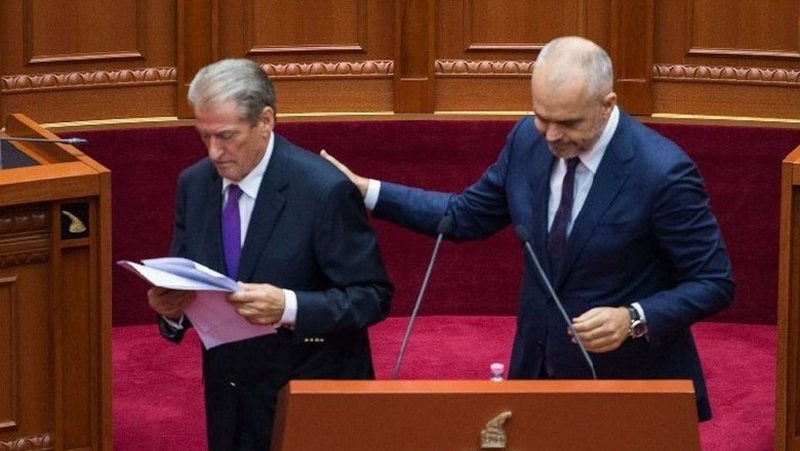
The May 31 protest may go down in history not for the number of participants or its organizers, but for the political message it articulated. For the first time, beyond the usual debates between the government and the opposition, a sentiment that has long been present in the silence of the majority of Albanians was publicly expressed: a deep distrust of the entire traditional political class.
In fact, what was heard in the square was not simply a protest against the government. It was not even a support for the opposition. It was the expression of a much greater dissatisfaction, which touches the very foundations of the Albanian political system. For the first time, it became clear that an increasingly large part of the citizens does not believe that the current majority can change Albania for the better, but at the same time they do not believe that the current minority is the alternative that can achieve this change.
This is perhaps the most serious crisis that Albanian pluralism has faced since 1990. Because democracy functions on the belief that citizens can choose between different political alternatives. When trust is lost in one party, the system continues to function because there is hope in the other party. But when citizens lose trust in both the majority and the opposition at the same time, then we no longer have a crisis of governance. We have a crisis of representation.
This is precisely where the fundamental problem of today's Albania lies. For more than three decades, power has passed from one political force to another. Governments, prime ministers, ministers and coalitions have changed. However, in the perception of many citizens, the political caste itself that dominates public life has remained unchanged. There are the same figures, the same logic of power and often the same ways of exercising it.
Therefore, political rotation is no longer perceived as change. For many Albanians, it is seen simply as a change of actors on the same stage. The names of those who govern change, but not the way the system functions. The slogans change, but not the results. The alliances change, but not the mechanisms of power.
This situation is strikingly similar to Italy in the early 1990s. The historic “Mani Pulite” operation did not just destroy a few political parties. It collapsed an entire system that had lost moral and political legitimacy in the eyes of citizens. For years, traditional Italian parties had dominated public life. They seemed invincible. However, when the trust of citizens collapsed, even the seemingly eternal system collapsed with extraordinary speed.
Natyrisht, Shqipëria nuk është Italia e viteve ’90 dhe historitë nuk përsëriten kurrë në mënyrë identike. Megjithatë, ekzistojnë ngjashmëri që nuk mund të injorohen. Në të dy rastet kemi një klasë politike që ka dominuar për dekada. Në të dy rastet kemi qytetarë që ndihen të përjashtuar nga proceset vendimmarrëse. Dhe në të dy rastet kemi një hendek gjithnjë e më të madh mes elitave politike dhe shoqërisë.
Ajo që e bën situatën edhe më interesante është fakti se shumica e aktorëve politikë vazhdojnë të sillen sikur asgjë nuk ka ndryshuar. Ata vazhdojnë të interpretojnë realitetin përmes logjikës së vjetër të konfliktit mes mazhorancës dhe opozitës. Por problemi është se një pjesë e madhe e qytetarëve nuk e sheh më këtë konflikt si përplasje mes alternativave. Përkundrazi, e percepton si një konflikt të brendshëm brenda së njëjtës elitë politike.
Kjo është arsyeja pse pakënaqësia vazhdon të rritet. Jo sepse qytetarët nuk duan të marrin pjesë në politikë, por sepse nuk ndihen më të përfaqësuar nga aktorët ekzistues.
Pikërisht në këtë pikë lind pyetja që po bëhet gjithnjë e më e shpeshtë: a ekziston një lider i ri në horizont?
Shumë njerëz përgjigjen negativisht. Ata argumentojnë se Shqipëria nuk ka figura të reja që mund të marrin përsipër drejtimin e një transformimi politik. Por historia na mëson se ky është shpesh një vlerësim i gabuar.
Liderët e mëdhenj rrallëherë shfaqen përpara krizave. Në shumicën e rasteve ata prodhohen nga vetë krizat. Ata lindin nga nevoja e shoqërisë për ndryshim. Ata dalin në skenë kur strukturat e vjetra nuk janë më në gjendje të japin përgjigje.
Në fund të viteve ’80 askush nuk do ta kishte parashikuar rënien e shpejtë të regjimeve komuniste në Europën Lindore. Po ashtu, në fillim të viteve ’90 pak kush do ta kishte imagjinuar se një sipërmarrës si Silvio Berlusconi do të bëhej figura më dominuese e politikës italiane për dekada. Megjithatë, historia nuk pyet për parashikimet e analistëve. Kur kushtet piqen, ajo prodhon aktorët e saj.
Edhe Shqipëria mund të jetë duke hyrë në një fazë të tillë. Shenjat janë të dukshme. Mosbesimi ndaj elitave tradicionale po rritet. Kërkesa për ndryshim po bëhet më e fortë. Distanca mes qytetarëve dhe partive tradicionale po zgjerohet. Në këto kushte, lindja e një lidershipi të ri nuk është më një mundësi teorike. Ajo bëhet një nevojë politike dhe historike.
Ndoshta lideri i ri nuk është ende i njohur. Ndoshta ai nuk është ende pjesë e elitës politike. Ndoshta sot ndodhet në universitet, në biznes, në shoqërinë civile, në emigracion apo në një institucion publik. Por historia tregon se kur një epokë politike po mbyllet, figurat që do të hapin epokën e re janë tashmë duke u formuar.
Për këtë arsye, pyetja kryesore nuk është nëse do të shfaqet një lider i ri. Pyetja e vërtetë është se kur do të ndodhë kjo dhe në çfarë forme. Sepse çdo sistem politik që humbet aftësinë për të rinovuar veten, herët a vonë përballet me forcën e historisë.
Albania seems to be approaching precisely such a moment. A moment when citizens are no longer simply asking for rotation. They are asking for change. They are not just asking for a new government. They are asking for a new political class. And when such a demand becomes a majority in society, then the birth of a new leader is no longer a matter of individual will, but an inevitable product of time and history.
Happening now...




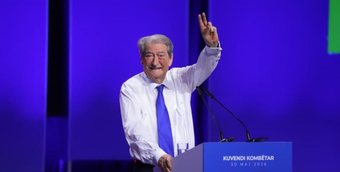
Sali Berisha's great isolation assembly
Nga Bato Kosova
ideas


top



TRENDING 



services
- POLICE129
- STREET POLICE126
- AMBULANCE112
- FIREFIGHTER128