


FLASH NEWS
Observation/ Albania, less waste than its neighbors and the EU, but suffers more from pollution

2026-03-31 12:23:37 / EKONOMI&SOCIALE
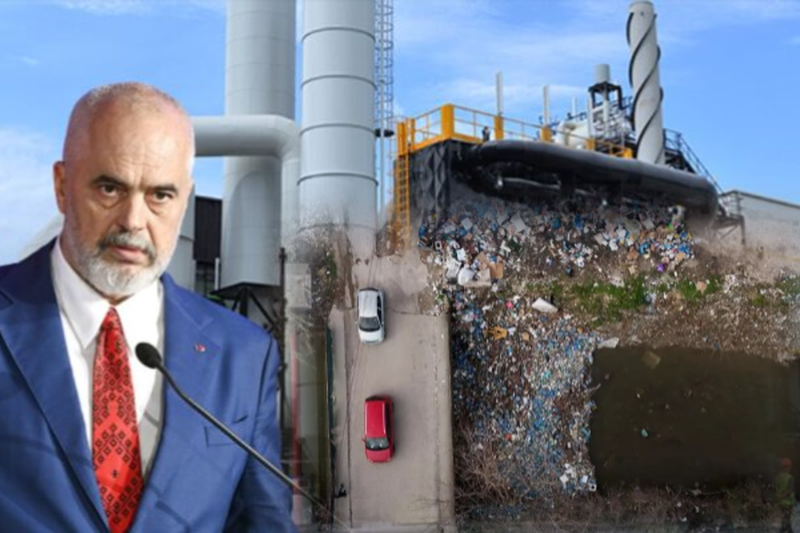
In 2024, Albania generated 322 kilograms of urban waste per capita, well below the EU average of 517 kilograms. However, over the last decade, waste per capita in the country has decreased significantly, according to Eurostat data.
While the European Union average has experienced a slight increase between 2024-2024, reaching 513 kg per capita in 2024, Albania has experienced a decrease from 425 kilograms per capita in 2014 to 322 kg in 2024.
Despite the fact that our country produces less waste per capita than the EU and the Region, it suffers from high levels of pollution and deficiencies in waste collection and management.
Internal data indicate that a significant part of the decline is related to the standardization of data collection. Since 2020, INSTAT has switched to an electronic data collection system from municipalities, attempting to separate household urban waste from industrial or construction waste. This has led to a more accurate reflection of what is considered urban waste per capita, eliminating inflated figures that could once include other non-urban waste.
The calculation of waste per capita depends directly on the number of resident population. Albania has experienced a population contraction, especially of young people who are the most active consumers. In 2014, official statistics show that the country's population was over 2.8 million inhabitants, while in 2024 only 2.4 million.
But Albania also remains among the countries with the lowest individual consumption per capita in Europe, at around 41% of the EU average. This low level of economic well-being naturally translates into less waste generated per capita compared to countries like Austria or Denmark.
The relative decline also reflects the difficulties of households to maintain high levels of consumption in the face of rising prices, thus producing less packaging or food waste.
This downward trend puts our country in a different position than other Western Balkan countries such as Montenegro or Serbia, which have seen an increase in waste generation over the same period. Montenegro, for example, leads the region with an amount approaching 600 kg per capita, surpassing many EU member states.
In the overall European picture, it is noted that countries with more developed economies such as Austria, Denmark and Belgium continue to generate the highest amounts of waste, often exceeding the threshold of 700 kg per person. However, the low levels in developing countries may also reflect challenges in comprehensive data reporting or waste collection across the territory. /Monitor
Happening now...












ideas


Rama-Berisha, from statesmen to Chameleons!
Nga Ermal Peçi

The DP, as a Pyramid Firm!
Nga Indrit Vokshi
top



Alfa recipes



TRENDING 




services
- POLICE129
- STREET POLICE126
- AMBULANCE112
- FIREFIGHTER128